

Inverter corrente 12V a 220V 2000W per auto, camper e barca
Marchio: satkit
IVA inclusa (IVA escl.: 120,00€)






Il Inverter corrente 12v a 220v 2000w del marchio satkit è un dispositivo progettato per convertire la corrente continua a 12V delle batterie di auto, camper o barca in corrente alternata a 220V, ideale per alimentare apparecchi elettrici che richiedono questa tensione.
Questo inverter si distingue per offrire una potenza nominale reale di 2000W, a differenza di altri modelli che dichiarano 2000W ma forniscono solo 1000W reali. Inoltre, dispone di una potenza di picco di avviamento di 4000W, consentendo di gestire senza problemi i picchi iniziali di consumo.
Caratteristiche principali
- Potenza nominale: 2000 W reali
- Potenza di picco di avviamento: 4000 W
- Potenza massima di lavoro: 1800 W
- Voltaje de entrada: 11 - 14 V DC
- Voltaje de salida: 230 V AC ±10%
- Frecuencia: 50 Hz
- Tipo de onda: Modificada sinusoidal
- Peso: 4 kg
- Dimensiones: 380 x 198 x 78 mm
Contenuto della confezione
- 1 x Inverter convertitore DC 12V a AC 220V 2000W
- 1 x Cavi di collegamento
Usi tipici
Questo inverter è ideale per gli utenti che devono alimentare dispositivi elettrici in:
- Veicoli privati e auto
- Caravan e camper
- Barche e piccole imbarcazioni
Permette di collegare elettrodomestici, utensili elettrici, apparecchi elettronici e altri dispositivi che funzionano con corrente alternata a 220V. È particolarmente utile per viaggi e attività all’aperto dove non c’è accesso alla rete elettrica tradizionale.
Compatibilità
Compatibile con batterie da 12V di veicoli, caravan e imbarcazioni. È importante che la batteria abbia una capacità sufficiente a supportare la potenza richiesta dall’inverter e dai dispositivi collegati.
Stato di disponibilità
Attualmente, questo prodotto è esaurito. Consigliamo di consultare prodotti alternativi o contattare il nostro servizio clienti per ricevere assistenza sulle opzioni simili disponibili.
- Potenza nominale reale di 2000W per prestazioni affidabili
- Potenza di picco di avviamento di 4000W per gestire i picchi di consumo
- Tensione di ingresso 11-14 V DC compatibile con batterie da 12V
- Uscita 230 V AC con frequenza 50 Hz e onda sinusoidale modificata
- Progettato per l’uso in auto, camper e barche
- Include cavi di collegamento per facilitare l’installazione
- Peso contenuto di 4 kg e dimensioni compatte per un facile trasporto
Domande e risposte dei clienti
Quina diferència real hi ha entre la potència nominal i la potència pic d’aquest inversor de corrent?
La potència nominal (2000 W) és la càrrega màxima que l’inversor pot mantenir durant períodes llargs, mentre que la potència pic (4000 W) representa la capacitat de suportar pics d’arrencada breus, com en encendre motors. Per a ús continu, no s’han de superar els 2000 W; sobrepassar aquesta xifra durant massa temps pot reduir la vida útil o danyar l’inversor.
Quin tipus de dispositius NO és recomanable connectar a aquest inversor d’ona sinusoïdal modificada?
Els dispositius sensibles que requereixen ona sinusoïdal pura, com certs equips mèdics, motors precisos, càrregues inductives (bombes, compressors) o carregadors de bateries sofisticats, poden funcionar malament o danyar-se amb ona sinusoïdal modificada. Per a aquests, és millor un inversor d’ona sinusoïdal pura.
Quin és el rang de voltatge d’entrada i què passa si la bateria cau per sota d’11 V?
L’inversor admet entre 11 i 14 V DC. Si la tensió d’entrada cau per sota d’11 V, l’inversor habitualment s’apaga automàticament per protegir la bateria i ell mateix, evitant descàrregues profundes que poden perjudicar les bateries de plom-àcid.
Quin manteniment requereix l’inversor i quina és la seva expectativa de vida útil?
Requereix ventilació sense obstruccions, neteja periòdica de la pols (per exemple cada 6 mesos) i revisió de connexions. La seva vida útil típica és de 3 a 6 anys en condicions normals, variant segons la càrrega i la temperatura ambient (idealment <35°C). L’ús freqüent prop de la potència màxima pot escurçar aquest període.
What is the real difference between the rated power and the peak power of this power inverter?
The rated power (2000 W) is the maximum load the inverter can sustain for long periods, while the peak power (4000 W) represents its ability to handle brief starting surges, such as when motors are switched on. For continuous use, it must not exceed 2000 W; exceeding this for a prolonged period may reduce service life or damage the inverter.
What type of devices is it NOT recommended to connect to this modified sine wave inverter?
Sensitive devices that require pure sine wave output, such as certain medical equipment, precision motors, inductive loads (pumps, compressors) or sophisticated battery chargers, may operate poorly or be damaged by modified sine wave. For these, a pure sine wave inverter is better.
What is the input voltage range and what happens if the battery drops below 11 V?
The inverter accepts between 11 and 14 V DC. If the input voltage falls below 11 V, the inverter usually switches off automatically to protect the battery and itself, preventing deep discharge that can harm lead-acid batteries.
What maintenance does the inverter require and what is its expected service life?
It requires unobstructed ventilation, periodic dust cleaning (for example every 6 months) and connection checks. Its typical service life is 3 to 6 years under normal conditions, varying according to load and ambient temperature (ideally <35°C). Frequent use near maximum power can shorten this period.
What is the real difference between the rated power and the peak power of this power inverter?
The rated power (2000 W) is the maximum load the inverter can sustain for long periods, while the peak power (4000 W) represents its ability to handle brief starting surges, such as when motors are switched on. For continuous use, it must not exceed 2000 W; exceeding this for a prolonged period may reduce service life or damage the inverter.
What type of devices is it NOT advisable to connect to this modified sine wave inverter?
Sensitive devices that require pure sine wave output, such as certain medical equipment, precision motors, inductive loads (pumps, compressors) or sophisticated battery chargers, may operate poorly or be damaged by modified sine wave output. For these, a pure sine wave inverter is better.
Scrivi una recensione cliente
I clienti che hanno acquistato questo articolo hanno acquistato anche
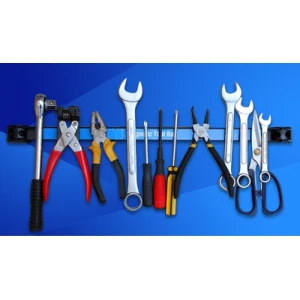
Supporto barra magnetica per attrezzi - Organizzatore efficiente e resistente
Articoli visualizzati di recente