


2,20€
Disponibile
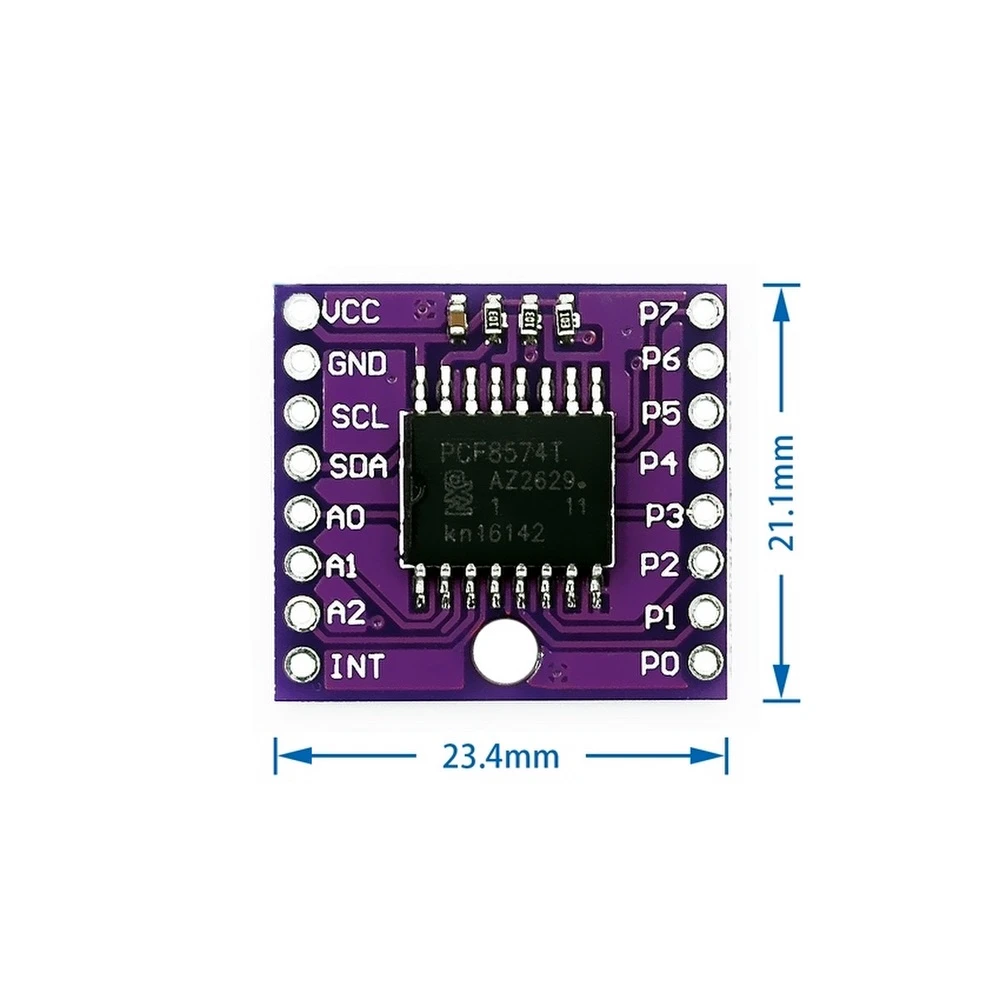
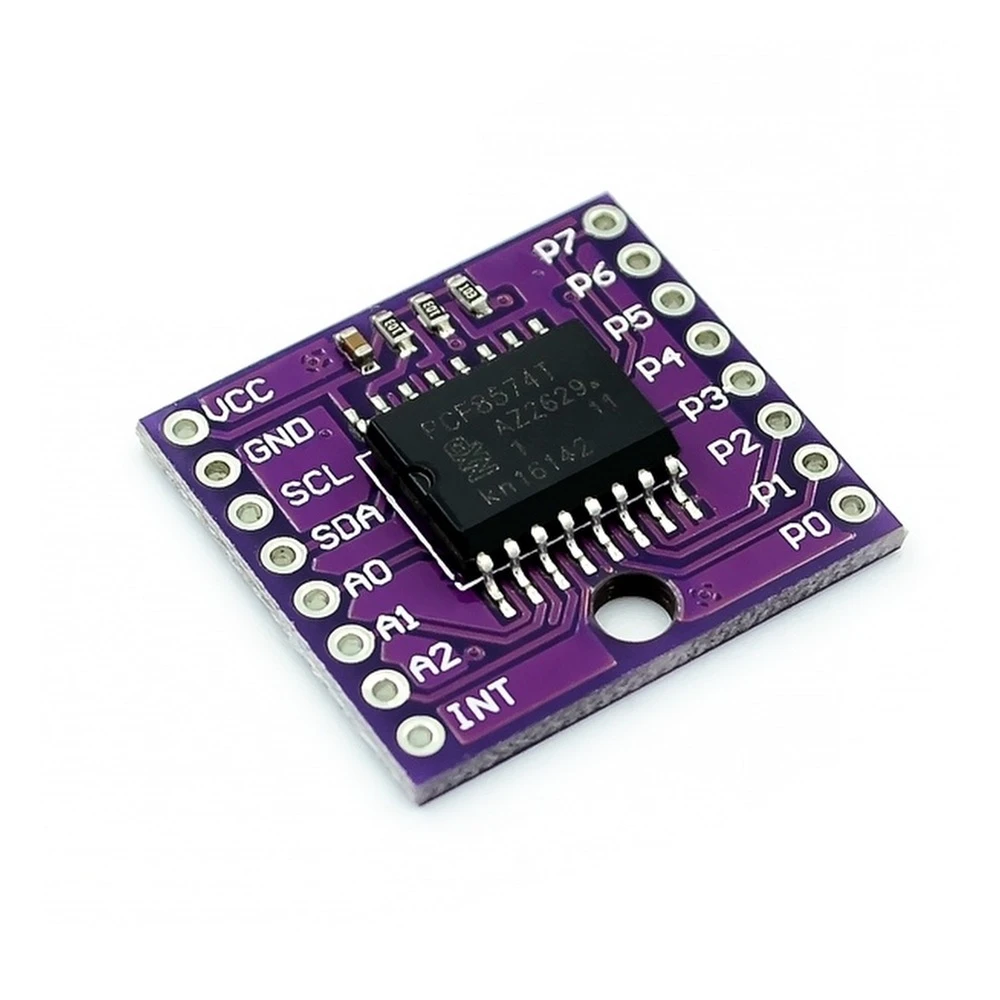
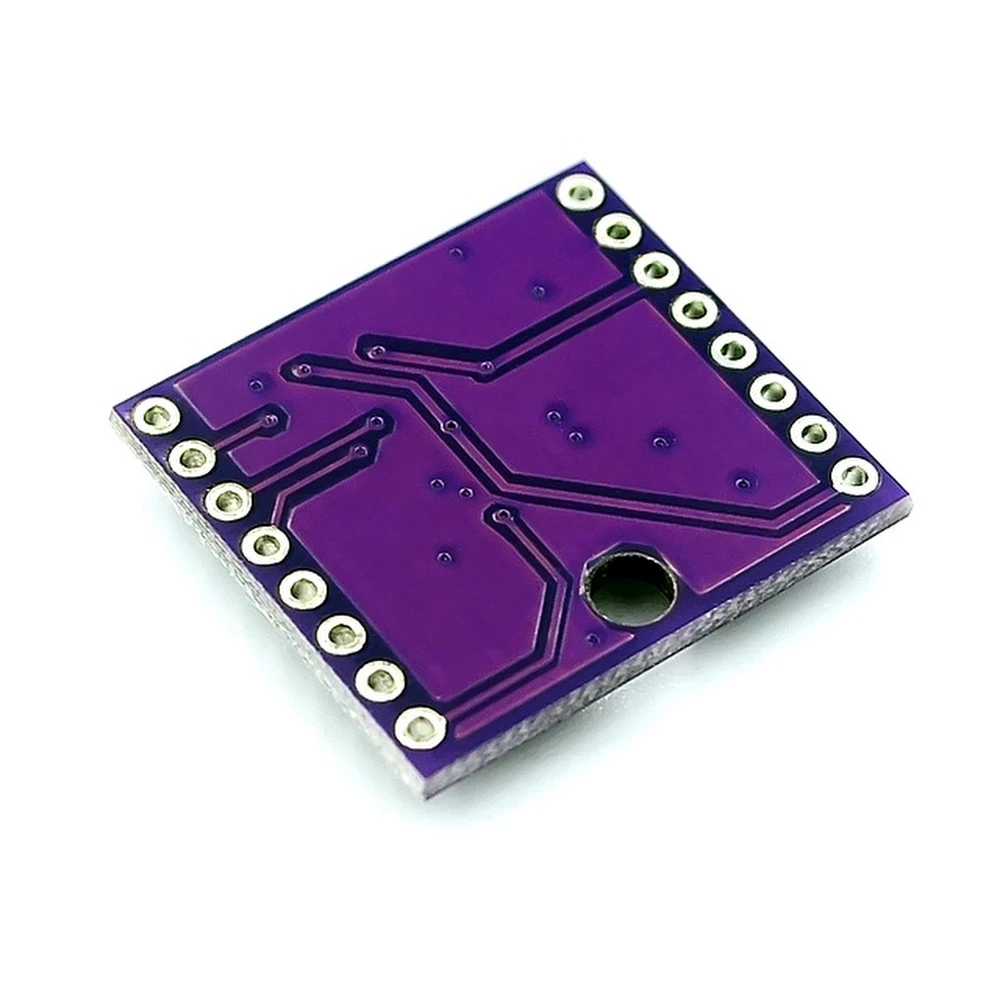
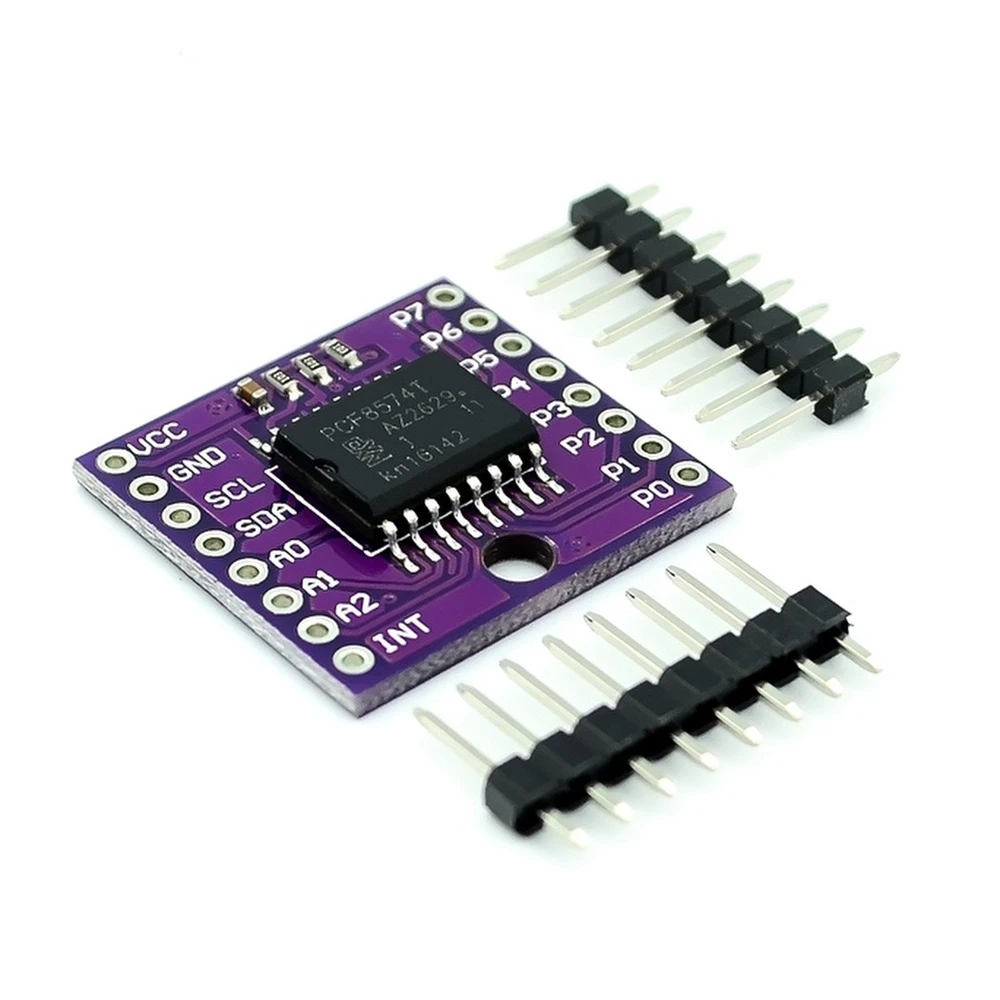
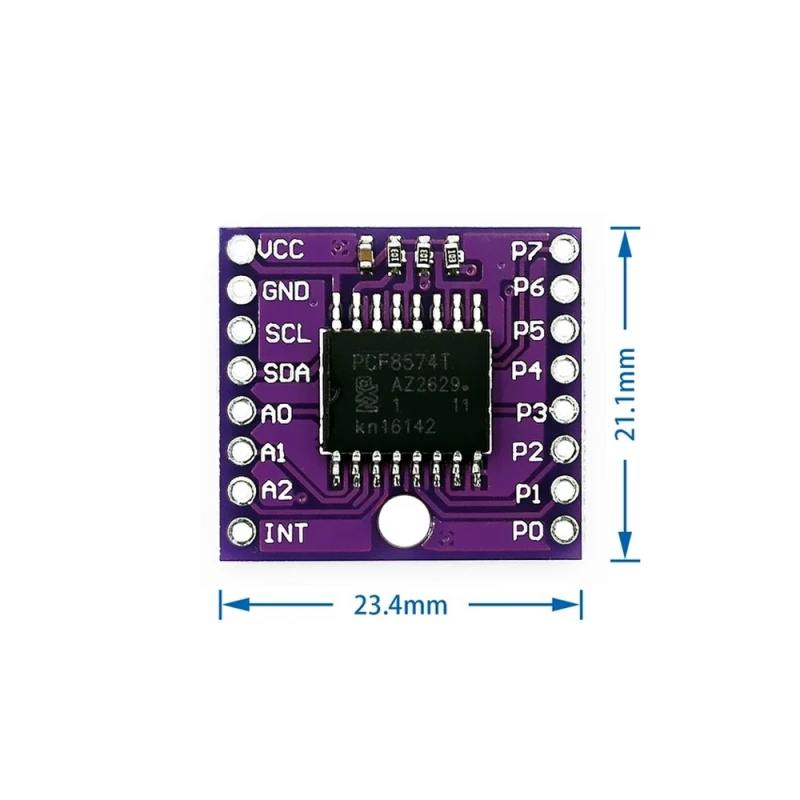
Modulo I2C PCF8574T per Arduino - Espansore I/O in cascata
Marchio: satkit
2,20€
IVA inclusa (IVA escl.: 1,80€)
Scorte limitate
Consegna standard
Mer, Apr 22 - Ven, Apr 24
Consegna espressa
Lun, Apr 20 - Mar, Apr 21
Resi entro 30 giorni
Resi gratuiti entro 30 giorni
Transazione sicura


Share:
Consegna gratuita
Per ordini superiori a 300€
Resi facili
Politica di reso di 30 giorni
Pagamento sicuro
Checkout 100% sicuro
Garanzia di qualità
Solo prodotti originali
Il modulo I2C PCF8574T per Arduino è un espansore di pin di ingresso/uscita (I/O) progettato per ampliare le capacità dei tuoi progetti con Arduino tramite interfaccia I2C. Questo modulo consente di aggiungere più pin I/O digitali senza dover utilizzare altri pin del microcontrollore, facilitando il controllo di dispositivi esterni come sensori, attuatori o display.
Caratteristiche principali:
- Espansione dei pin I/O tramite interfaccia I2C.
- Consente di collegare fino a 8 moduli in cascata, ampliando fino a 64 pin I/O digitali.
- Configurazione dell'indirizzo tramite interruttore a levetta per evitare conflitti sul bus I2C.
- Compatibile con la maggior parte delle schede Arduino e altri microcontrollori che supportano I2C.
- Design compatto e facile integrazione in progetti elettronici.
Specifiche tecniche:
- Tipo di interfaccia: I2C.
- Espansione massima: 8 moduli (64 I/O).
- Configurazione dell'indirizzo: Interruttore a levetta.
- Uso tipico: Espansione dei pin digitali per Arduino.
Applicazioni tipiche:
- Progetti che richiedono più pin digitali di ingresso/uscita rispetto a quelli disponibili sulla scheda Arduino.
- Automazione e controllo di più dispositivi.
- Interfacciamento con sensori, relè, display e altri moduli elettronici.
- Sviluppo di prototipi elettronici avanzati.
Compatibilità:
Questo modulo è compatibile con schede Arduino e altri microcontrollori che supportano la comunicazione I2C. È ideale per chi cerca di aumentare il numero di pin digitali senza incrementare la complessità del cablaggio.
In sintesi, il modulo I2C PCF8574T per Arduino è una soluzione efficiente e scalabile per espandere i pin I/O digitali, facilitando lo sviluppo di progetti elettronici complessi con più dispositivi collegati.
- Espande i pin I/O digitali tramite interfaccia I2C.
- Supporta fino a 8 moduli in cascata per 64 pin I/O.
- Indirizzo configurabile con interruttore a levetta.
- Compatibile con schede Arduino e microcontrollori I2C.
- Ideale per progetti che richiedono più ingressi e uscite.
Domande e risposte dei clienti
Quins són els materials principals del mòdul i quines són les seves dimensions i pes aproximats?
El mòdul està compost principalment per una PCB de fibra de vidre (FR4), pins de llautó banyats i el xip PCF8574T encapsulat en plàstic. Les seves dimensions típiques són 40 mm x 20 mm x 14 mm i el pes aproximat és de 7 g.
Amb quins nivells de voltatge opera el mòdul i quines consideracions he de tenir en usar-lo amb diferents plaques Arduino?
El mòdul funciona en el rang de 2,5 V a 6 V, cosa que el fa compatible amb la majoria de plaques Arduino de 3,3 V i 5 V. És fonamental assegurar-se que el nivell lògic de la placa coincideixi amb el del mòdul per prevenir danys, especialment en configuracions mixtes de 3,3 V i 5 V.
Quines limitacions de velocitat I2C o interferència poden aparèixer en connectar diversos mòduls en cascada?
El PCF8574T admet velocitats estàndard de bus I2C, fins a 100 kHz. En connectar diversos mòduls (fins a 8 en cascada), la capacitat total del bus augmenta, cosa que pot afectar la fiabilitat a llargues distàncies o a velocitats altes. Es recomana mantenir la longitud total del bus per sota d’1 m i considerar resistències pull-up adequades.
Quins passos bàsics s’han de seguir per a la instal·lació i la detecció de problemes de funcionament en aquest mòdul?
Per instal·lar-lo, connecta SDA i SCL al bus I2C i ajusta les adreces mitjançant els interruptors de palanca. Si els pins no responen, verifica la coincidència d’adreça, l’alimentació, els pull-ups al bus, així com possibles curtcircuits al cablejat. El diagnòstic normalment es fa amb escàners I2C utilitzant biblioteques estàndard a Arduino.
What are the main materials of the module and what are its approximate dimensions and weight?
The module is mainly made up of an FR4 fibreglass PCB, plated brass pins and the PCF8574T chip in a plastic package. Its typical dimensions are 40 mm x 20 mm x 14 mm and the approximate weight is 7 g.
What voltage levels does the module operate at and what should I consider when using it with different Arduino boards?
The module works in the 2.5 V to 6 V range, making it compatible with most 3.3 V and 5 V Arduino boards. It is essential to ensure that the board’s logic level matches the module’s to prevent damage, especially in mixed 3.3 V and 5 V setups.
What I2C speed or interference limitations may appear when connecting several modules in cascade?
The PCF8574T supports standard I2C bus speeds of up to 100 kHz. When connecting several modules (up to 8 in cascade), the total bus capacitance increases, which can affect reliability over long distances or at high speeds. It is recommended to keep the total bus length below 1 m and to use appropriate pull-up resistors.
What basic steps should be followed to install and troubleshoot this module?
To install it, connect SDA and SCL to the I2C bus and set the addresses using the toggle switches. If the pins do not respond, check the address match, power supply, bus pull-ups, and any possible short circuits in the wiring. Diagnosis is usually carried out with I2C scanners using standard Arduino libraries.
What are the main materials of the module and what are its approximate dimensions and weight?
The module is mainly composed of a fibreglass PCB (FR4), plated brass pins and the PCF8574T chip housed in plastic. Its typical dimensions are 40 mm x 20 mm x 14 mm and the approximate weight is 7 g.
What voltage levels does the module operate at and what should I bear in mind when using it with different Arduino boards?
The module works in the 2.5 V to 6 V range, making it compatible with most 3.3 V and 5 V Arduino boards. It is essential to ensure that the board’s logic level matches the module’s to prevent damage, especially in mixed 3.3 V and 5 V setups.
Scrivi una recensione cliente
I clienti che hanno acquistato questo articolo hanno acquistato anche
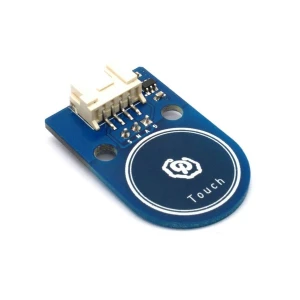
Pulsante touch Arduino plug and play compatibile con interfacce Grove e kit M4
2,68€
Ne restano solo 4 in magazzino
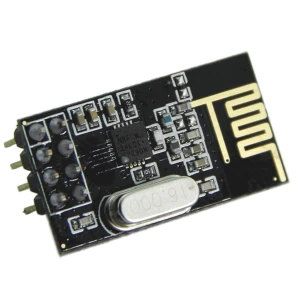
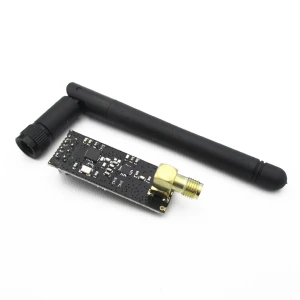
Modulo wireless NRF24L01+ per Arduino - Comunicazione efficiente
1,95€
Ne restano solo 10 in magazzino
Articoli visualizzati di recente
 Modulo I2C PCF8574T per Arduino - Espansore I/O in cascata
2,20€