


16,26€
Disponibile
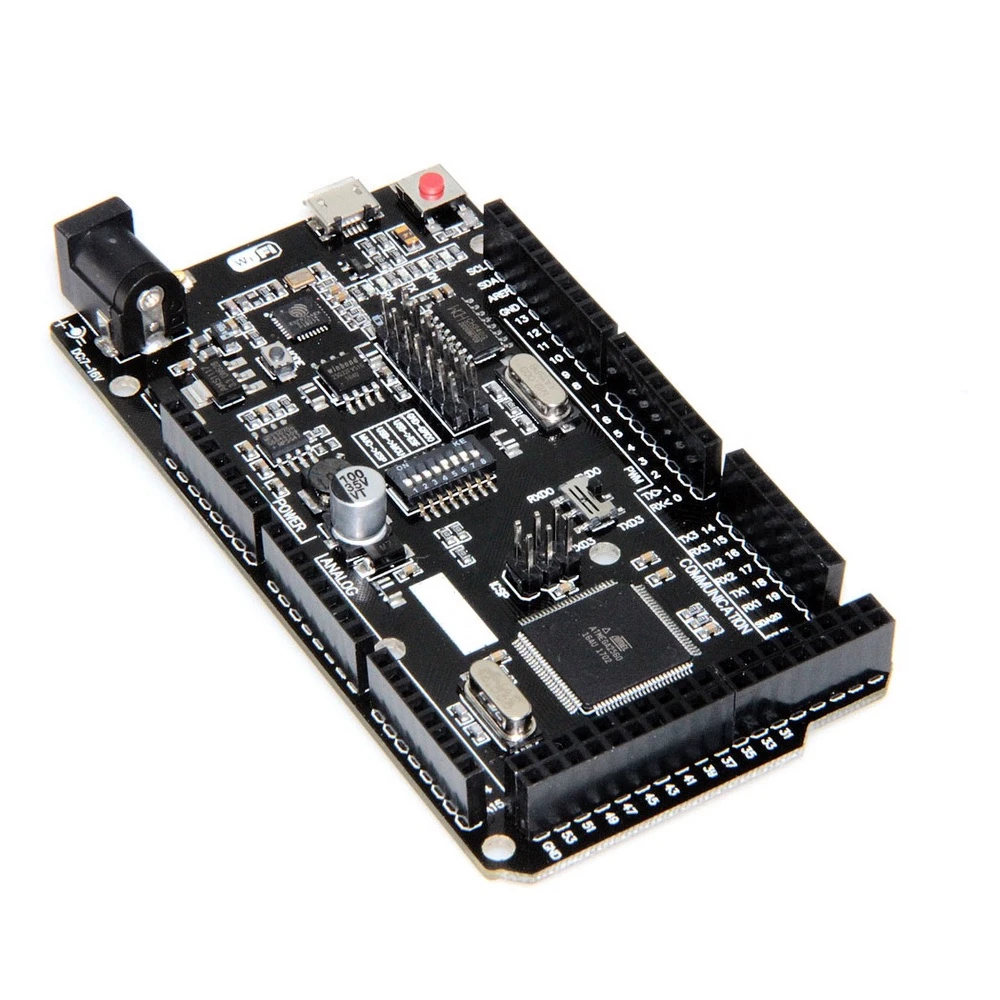
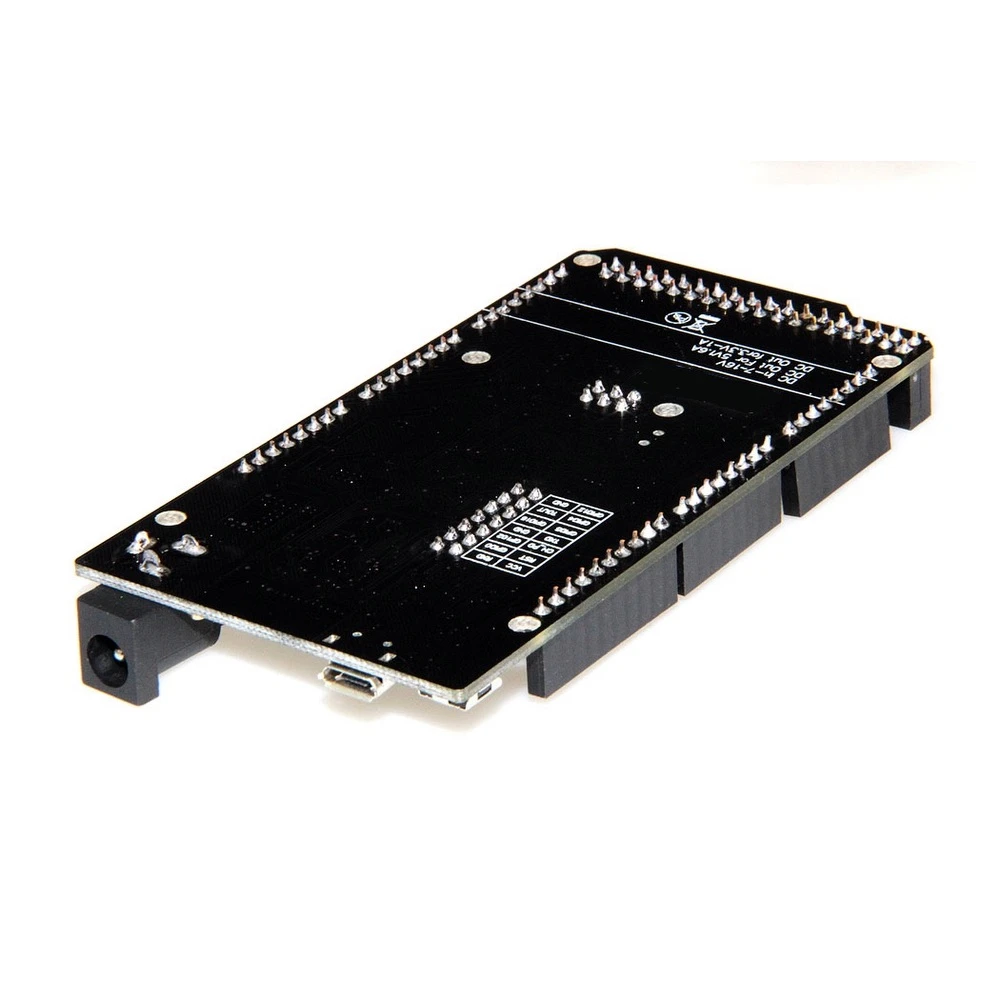
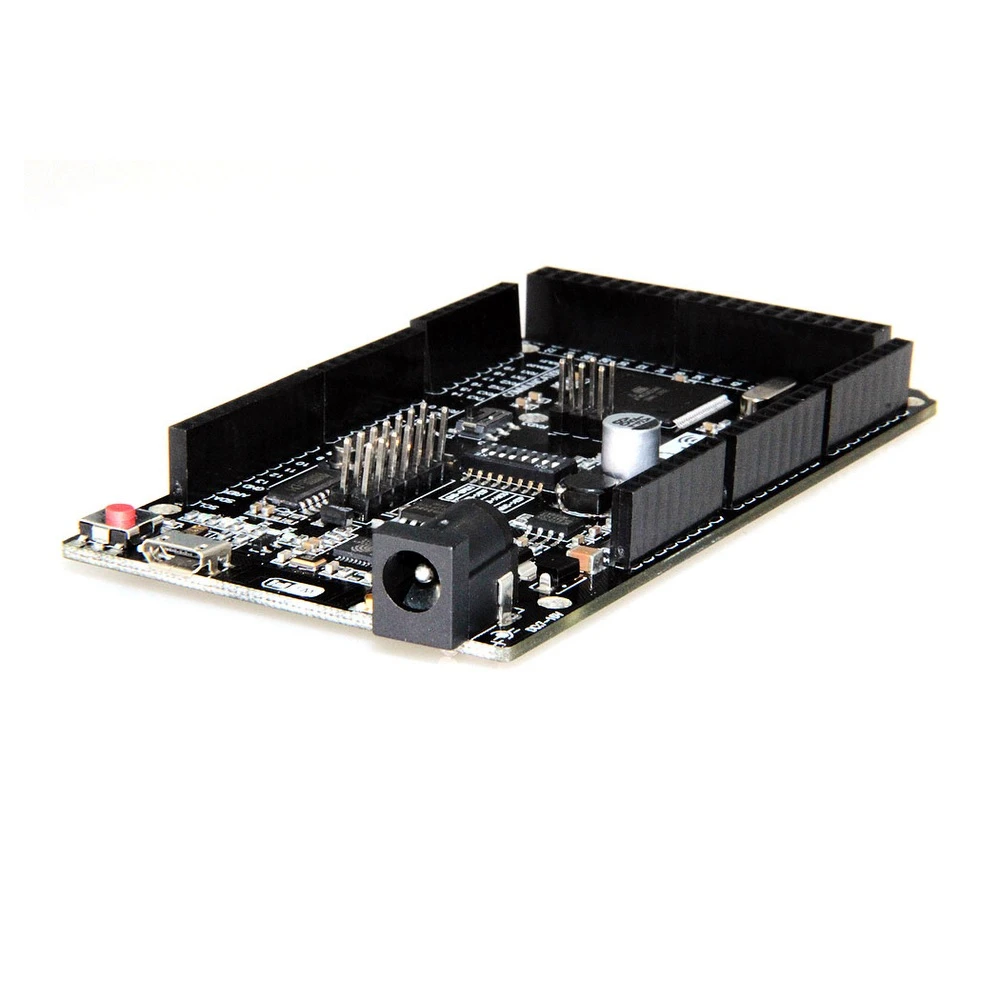
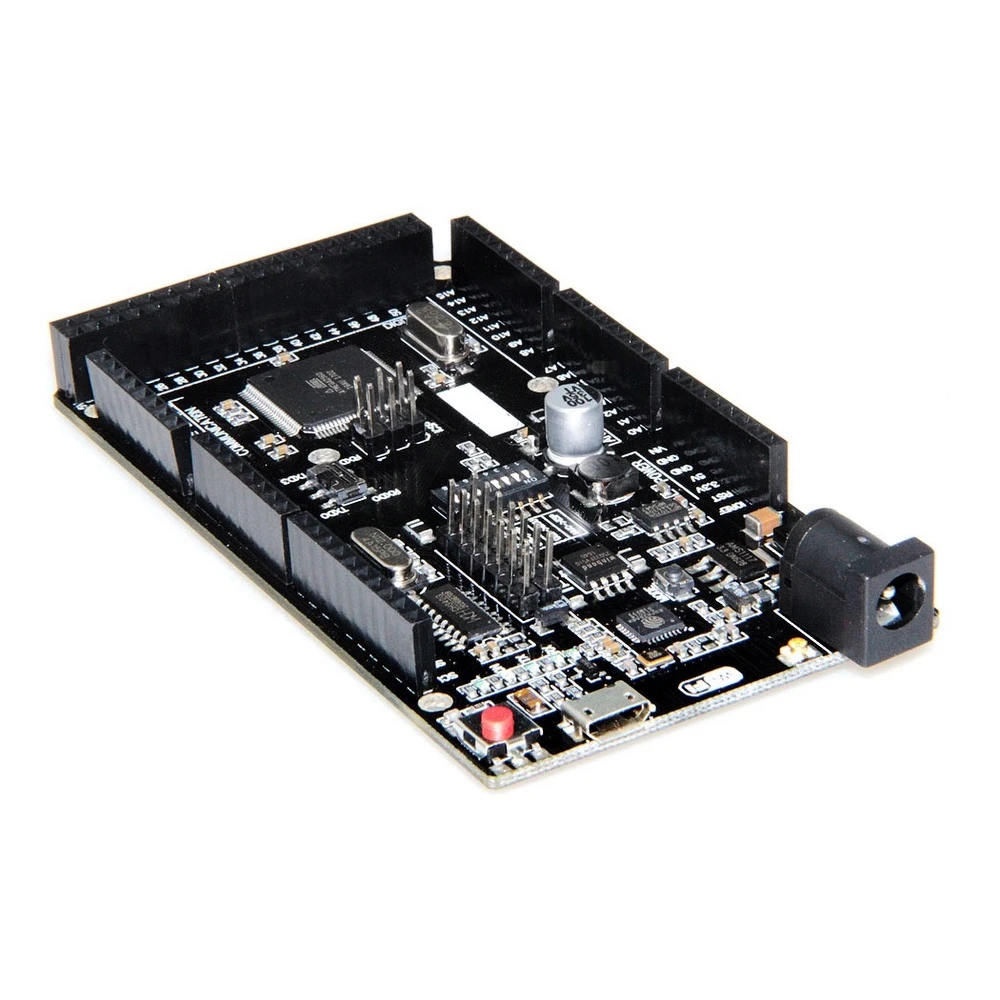
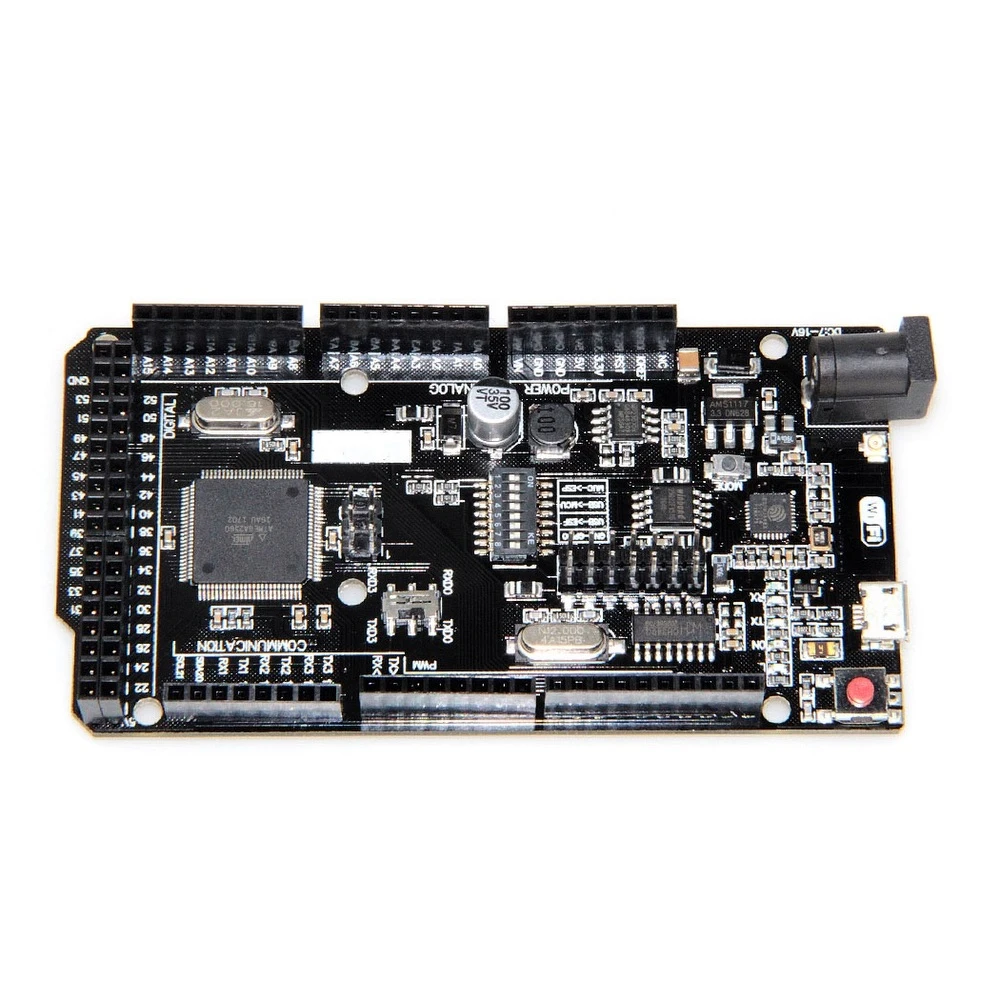
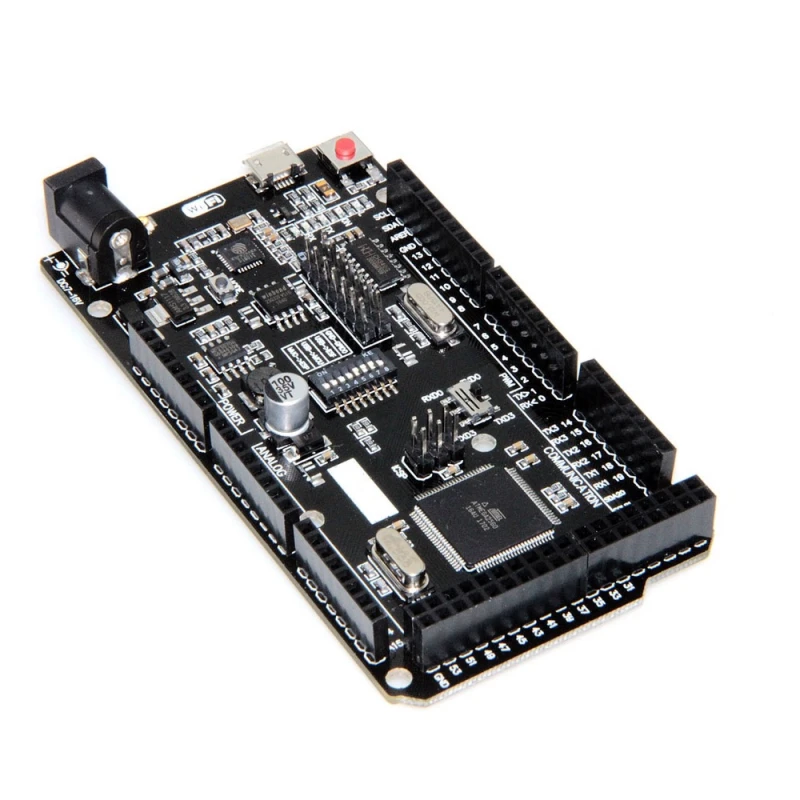
Modulo compatibile Arduino Mega WiFi R3 ATmega2560 ESP8266 con memoria 32Mb
Marchio: satkit
16,26€
IVA inclusa (IVA escl.: 13,33€)
Scorte limitate
Consegna standard
Mer, Apr 22 - Ven, Apr 24
Consegna espressa
Lun, Apr 20 - Mar, Apr 21
Resi entro 30 giorni
Resi gratuiti entro 30 giorni
Transazione sicura


Share:
Consegna gratuita
Per ordini superiori a 300€
Resi facili
Politica di reso di 30 giorni
Pagamento sicuro
Checkout 100% sicuro
Garanzia di qualità
Solo prodotti originali
Il Arduino Mega WiFi R3 ATmega2560 ESP8266 modulo compatibile è una scheda di sviluppo che combina la potenza del microcontrollore ATmega2560 con la connettività WiFi del modulo ESP8266, entrambi integrati in un unico dispositivo con 32Mb di memoria. Questa integrazione facilita la creazione di progetti che richiedono sia capacità di elaborazione sia connessione wireless.
Caratteristiche principali:
- Microcontrollore ATmega2560 Mega R3 per prestazioni elevate nell'elaborazione.
- Modulo WiFi ESP8266 con memoria da 32Mb per una connettività wireless efficiente.
- Funzionamento dei moduli insieme o separatamente, ciascuno con il proprio pinout per una maggiore flessibilità.
- Aggiornamento di sketch e firmware via USB grazie al convertitore USB-serie CH340G integrato.
- Interruttore DIP che consente di collegare i moduli in diverse combinazioni: USB e ATmega2560, USB e ESP8266, oppure ATmega2560 e ESP8266.
- Uso semplice e pratico per sviluppatori e appassionati di elettronica.
Specifiche tecniche:
- Microcontrollore: ATmega2560 Mega R3.
- Modulo WiFi: ESP8266 con 32Mb di memoria.
- Convertitore USB-serie: CH340G integrato per programmazione e aggiornamento.
- Connettività: USB per programmazione e comunicazione con entrambi i moduli.
- Interruttore DIP per la selezione dei moduli attivi.
Usi tipici:
- Sviluppo di progetti IoT che richiedono connettività WiFi e elaborazione avanzata.
- Prototipazione rapida di sistemi embedded con comunicazione wireless.
- Applicazioni didattiche per imparare programmazione ed elettronica con Arduino e WiFi integrato.
- Integrazione in sistemi che richiedono controllo remoto e aggiornamento firmware semplice.
Compatibilità:
Compatibile con la maggior parte delle librerie e degli ambienti di sviluppo Arduino. Consente la programmazione e l'aggiornamento sia dell'ATmega2560 sia del modulo ESP8266 tramite USB. Ideale per chi cerca una soluzione tutto in uno per progetti con WiFi e un microcontrollore potente.
Contenuto della confezione:
- 1 x Arduino Mega + WiFi R3 ATmega2560 + ESP8266 con memoria da 32Mb.
- Integrazione di ATmega2560 Mega R3 e modulo WiFi ESP8266 con 32Mb di memoria.
- I moduli possono funzionare insieme o separatamente con pinout indipendente.
- Aggiornamento di firmware e sketch via USB con convertitore CH340G.
- Interruttore DIP per selezionare i collegamenti tra USB, ATmega2560 ed ESP8266.
- Ideale per progetti IoT e sviluppo con WiFi integrato.
Domande e risposte dei clienti
Quins són els principals avantatges de tenir ATmega2560 i ESP8266 integrats en una sola placa?
La integració d’ATmega2560 i ESP8266 en un sol PCB permet combinar el gran nombre d’E/S del Mega per a projectes complexos amb la connectivitat WiFi de l’ESP8266, sense cablejats addicionals ni problemes de comunicació entre plaques. Això optimitza l’espai, facilita la programació conjunta i redueix el risc d’incompatibilitat de maquinari.
Quina compatibilitat té amb fonts d’alimentació i per què cal considerar el voltatge/màxima intensitat?
La placa admet alimentació per USB (5 V) o per entrada externa (7–12 V DC recomanats; màxim absolut 20 V). Intensitats elevades (>800 mA) poden sobreescalfar el regulador intern, especialment quan s’utilitza l’ESP8266, que consumeix pics de fins a 400 mA. És important fer servir una font estable i amb marge per evitar reinicis per caigudes de tensió.
Hi ha incompatibilitats freqüents entre l’entorn Arduino IDE i aquest mòdul, en comparació amb una placa Mega o ESP8266 estàndard?
En general és compatible amb l’Arduino IDE per a tots dos xips, però poden aparèixer conflictes si els ports COM no es seleccionen correctament, o si no s’ajusta el DIP switch abans de carregar programes. La instal·lació del driver CH340G és imprescindible en alguns sistemes Windows. La coexistència dels dos xips pot requerir ajustos de la consola sèrie.
What are the main advantages of having ATmega2560 and ESP8266 integrated on a single board?
Integrating the ATmega2560 and ESP8266 on a single PCB combines the Mega’s large number of I/O pins for complex projects with the ESP8266’s WiFi connectivity, without extra wiring or communication issues between boards. This optimises space, simplifies joint programming and reduces the risk of hardware incompatibility.
What power supply compatibility does it have and why is it necessary to consider voltage/maximum current?
The board accepts power via USB (5 V) or external input (7–12 V DC recommended; 20 V absolute maximum). High currents (>800 mA) can overheat the internal regulator, especially when using the ESP8266, which can draw peaks of up to 400 mA. It is important to use a stable power supply with sufficient headroom to avoid resets caused by voltage drops.
Are there common incompatibilities between the Arduino IDE environment and this module, compared with a standard Mega or ESP8266 board?
In general it is compatible with the Arduino IDE for both chips, but conflicts may occur if the COM ports are not selected correctly, or if the DIP switch is not set before uploading programs. Installing the CH340G driver is essential on some Windows systems. The coexistence of both chips may require serial console adjustments.
What are the main advantages of having ATmega2560 and ESP8266 integrated on a single board?
Integrating the ATmega2560 and ESP8266 on a single PCB combines the Mega’s large number of I/O pins for complex projects with the ESP8266’s WiFi connectivity, without extra wiring or communication issues between boards. This optimises space, makes joint programming easier and reduces the risk of hardware incompatibility.
What power supply compatibility does it have and why is it necessary to consider voltage/maximum current?
The board accepts power via USB (5 V) or external input (recommended 7–12 V DC; absolute maximum 20 V). High currents (>800 mA) can overheat the internal regulator, especially when using the ESP8266, which draws peaks of up to 400 mA. It is important to use a stable power supply with headroom to avoid resets caused by voltage drops.
Are there common incompatibilities between the Arduino IDE environment and this module, compared with a standard Mega or ESP8266 board?
In general it is compatible with the Arduino IDE for both chips, but conflicts may arise if the COM ports are not selected correctly, or if the DIP switch is not adjusted before uploading programmes. Installing the CH340G driver is essential on some Windows systems. The coexistence of both chips may require serial console adjustments.
Vilka är de främsta fördelarna med att ha ATmega2560 och ESP8266 integrerade på ett enda kort?
Integrationen av ATmega2560 och ESP8266 på ett enda PCB gör det möjligt att kombinera Megas stora antal I/O för komplexa projekt med ESP8266:s WiFi-anslutning, utan extra kabeldragning eller kommunikationsproblem mellan kort. Detta optimerar utrymmet, förenklar gemensam programmering och minskar risken för hårdvaruinkompatibilitet.
Scrivi una recensione cliente
I clienti che hanno acquistato questo articolo hanno acquistato anche
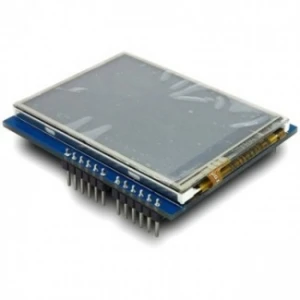
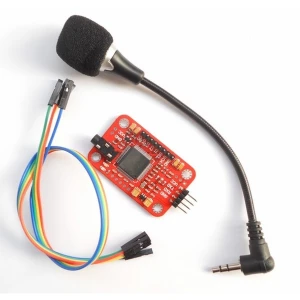
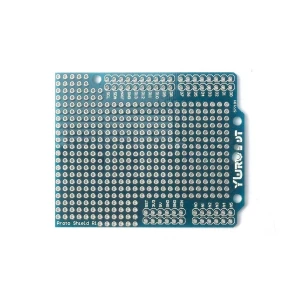
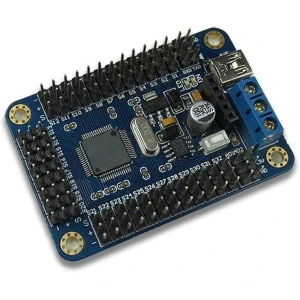
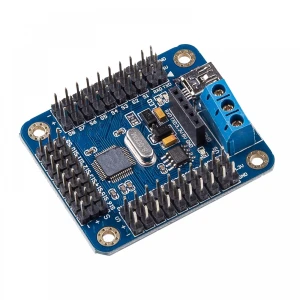
Scheda controller servo 16 canali Arduino per progetti elettronici
27,10€
Ne restano solo 5 in magazzino
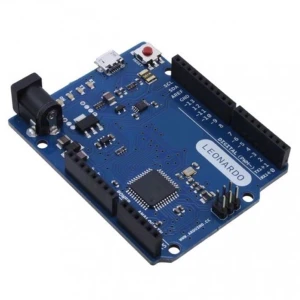
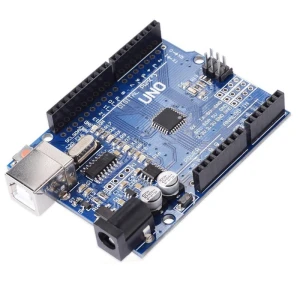
Scheda Arduino Uno R3 compatibile CH340 con Atmega328p-PU - Satkit
9,76€
Ne restano solo 8 in magazzino
Articoli visualizzati di recente
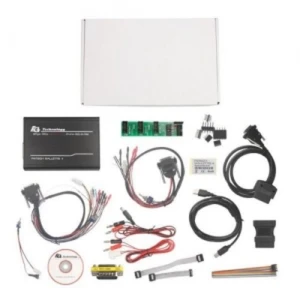
FGTech Galletto Master V54 - Strumento professionale per tuning chip e diagnosi OBD
71,98€
Ne restano solo 8 in magazzino
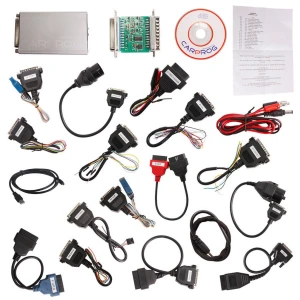
New Full Version Carprog V10.05 con 21 adattatori completi per auto
76,65€
Ne restano solo 4 in magazzino
Modulo compatibile Arduino Mega WiFi R3 ATmega2560 ESP8266 con memoria 32Mb
16,26€