



2,62€
Disponibile
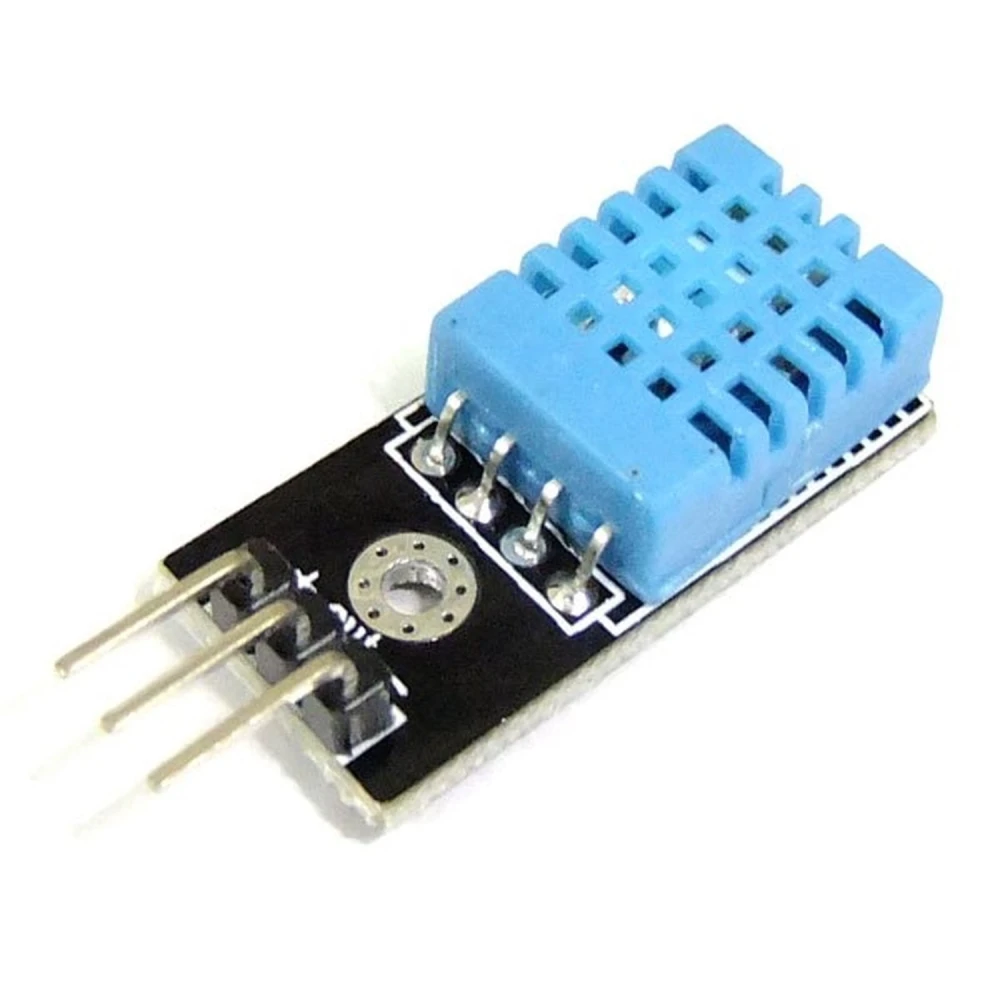
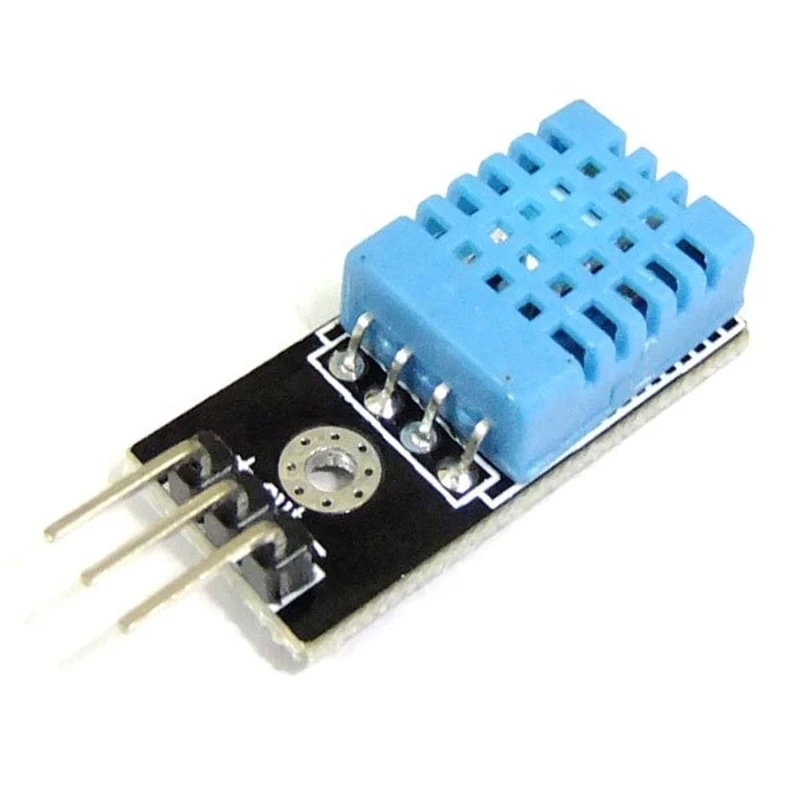
Sensore temperatura e umidità DHT11 compatibile con Arduino - satkit
Marchio: satkit
2,62€
IVA inclusa (IVA escl.: 2,15€)
Disponibile - Spedizione immediata
Consegna standard
Mer, Apr 22 - Ven, Apr 24
Consegna espressa
Lun, Apr 20 - Mar, Apr 21
Resi entro 30 giorni
Resi gratuiti entro 30 giorni
Transazione sicura


Share:
Consegna gratuita
Per ordini superiori a 300€
Resi facili
Politica di reso di 30 giorni
Pagamento sicuro
Checkout 100% sicuro
Garanzia di qualità
Solo prodotti originali
Il Sensore temperatura e umidità DHT11 compatibile con Arduino è un componente elettronico essenziale per progetti che richiedono una misurazione ambientale precisa e semplice. Questo sensore è ideale per appassionati e professionisti che lavorano con Arduino e desiderano integrare dati climatici nei propri sviluppi.
Caratteristiche principali:
- Tensione di funzionamento: 3V a 5.5V, compatibile con la maggior parte delle schede Arduino.
- Range di umidità relativa: 20% a 90%, adatto per ambienti interni e controllo climatico di base.
- Range di temperatura: 0ºC a 50ºC, perfetto per applicazioni domestiche ed educative.
- Risoluzione: 1 grado per la temperatura e valori interi per l'umidità, facilitando letture chiare e dirette.
- Precisione: ±5% per l'umidità relativa e ±2ºC per la temperatura, garantendo dati affidabili per progetti di base.
Questo sensore è ampiamente utilizzato per la misurazione di umidità e temperatura in progetti di elettronica, domotica, agricoltura e controllo ambientale. La sua compatibilità con Arduino consente un'integrazione semplice tramite librerie disponibili ed esempi di codice che ne facilitano l'uso anche ai principianti.
Usi tipici:
- Monitoraggio delle condizioni ambientali in interni.
- Controllo di sistemi di climatizzazione e ventilazione.
- Progetti educativi ed esperimenti con Arduino.
- Sviluppo di dispositivi IoT per la casa intelligente.
Compatibilità: Compatibile con tutte le schede Arduino che supportano un ingresso da 3V a 5.5V. Si consiglia di utilizzare librerie specifiche per facilitare la lettura dei dati.
In sintesi, il sensore DHT11 è una soluzione economica ed efficiente per ottenere dati di temperatura e umidità in progetti elettronici, offrendo un equilibrio tra precisione, facilità d'uso e compatibilità.
- Tensione di funzionamento: 3V a 5.5V compatibile con Arduino
- Range di umidità relativa: 20% a 90%
- Range di temperatura: 0ºC a 50ºC
- Risoluzione di lettura: valori interi per temperatura e umidità
- Precisione: ±5% umidità relativa, ±2ºC temperatura
Domande e risposte dei clienti
Quines són les limitacions del DHT11 davant de sensors alternatius com el DHT22?
El DHT11 ofereix menys precisió, un rang operatiu més estret (0–50 °C vs. -40–80 °C) i un rang d’humitat més reduït. A més, la resolució és només d’1 unitat i té un temps d’actualització més lent. El DHT22 és superior en aquests aspectes, tot i que és més car.
Requereix algun manteniment el DHT11 i com afecta la seva durabilitat la humitat ambiental?
No requereix manteniment especial, però exposar-lo a una humitat superior al 90 % de forma contínua pot disminuir-ne la vida útil i la precisió. Es recomana fer-lo servir en entorns dins del seu rang especificat i evitar la condensació.
What are the limitations of the DHT11 compared with alternative sensors such as the DHT22?
The DHT11 offers lower accuracy, a narrower operating range (0–50 °C vs. -40–80 °C) and a smaller humidity range. In addition, the resolution is only 1 unit and it has a slower update time. The DHT22 is superior in these aspects, although it is more expensive.
Does the DHT11 require any maintenance and how does ambient humidity affect its durability?
It does not require special maintenance, but exposing it continuously to humidity above 90% can reduce its service life and accuracy. It is recommended to use it in environments within its specified range and to avoid condensation.
What are the limitations of the DHT11 compared with alternative sensors such as the DHT22?
The DHT11 offers lower accuracy, a narrower operating range (0–50 °C vs. -40–80 °C) and a smaller humidity range. In addition, the resolution is only 1 unit and it has a slower update time. The DHT22 is superior in these aspects, although it is more expensive.
Does the DHT11 require any maintenance and how does ambient humidity affect its durability?
It does not require special maintenance, but exposing it to humidity above 90% continuously can reduce its service life and accuracy. It is recommended to use it in environments within its specified range and to avoid condensation.
Vilka är begränsningarna hos DHT11 jämfört med alternativa sensorer som DHT22?
DHT11 har lägre precision, smalare arbetsområde (0–50 °C jämfört med -40–80 °C) och mindre fuktintervall. Dessutom är upplösningen endast 1 enhet och uppdateringstiden långsammare. DHT22 är bättre på dessa punkter, även om den är dyrare.
Kräver DHT11 något underhåll och hur påverkar omgivande luftfuktighet dess hållbarhet?
Den kräver inget särskilt underhåll, men kontinuerlig exponering för över 90 % luftfuktighet kan minska livslängden och precisionen. Det rekommenderas att använda den i miljöer inom det specificerade området och att undvika kondens.
Katere so omejitve DHT11 v primerjavi z alternativnimi senzorji, kot je DHT22?
DHT11 ponuja nižjo natančnost, ožji delovni razpon (0–50 °C proti -40–80 °C) in manjši razpon vlage. Poleg tega je ločljivost le 1 enota in ima počasnejši čas osveževanja. DHT22 je v teh pogledih boljši, čeprav je dražji.
Ali DHT11 zahteva vzdrževanje in kako na njegovo vzdržljivost vpliva zračna vlaga?
Ne zahteva posebnega vzdrževanja, vendar lahko stalna izpostavljenost vlagi nad 90 % skrajša življenjsko dobo in zmanjša natančnost. Priporočamo uporabo v okoljih znotraj navedenega območja in izogibanje kondenzaciji.
Scrivi una recensione cliente
I clienti che hanno acquistato questo articolo hanno acquistato anche
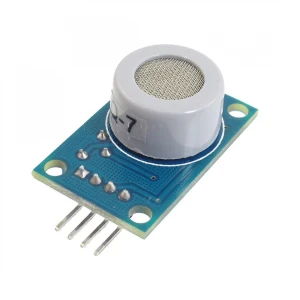
Sensore rilevatore di monossido di carbonio MQ7 compatibile Arduino
3,42€
Ne restano solo 9 in magazzino
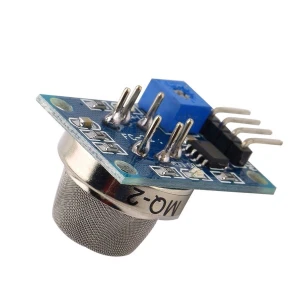
Sensore MQ-2 fumo e gas Arduino - modulo rilevatore compatibile
3,42€
Ne restano solo 6 in magazzino
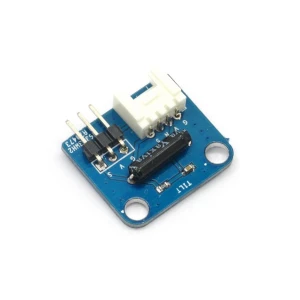
Sensore inclinazione Arduino - Interruttore 3PIN e alimentazione 5V
3,54€
Ne restano solo 10 in magazzino
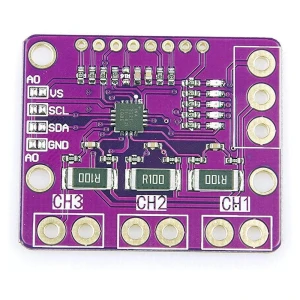
Sensore INA3221 Arduino per monitor di tensione e corrente a tre canali
6,10€
Ne restano solo 3 in magazzino
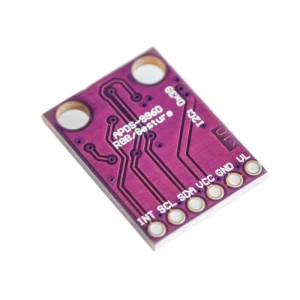
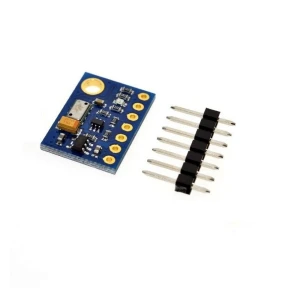
Sensore di pressione aria GY-63 MS5611-01BA03 barometro ad alta risoluzione per Arduino e Raspberry
7,93€
Ne restano solo 7 in magazzino
Articoli visualizzati di recente
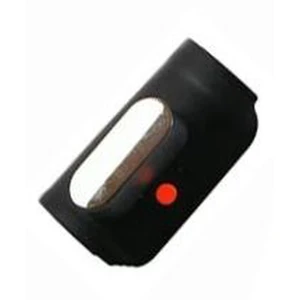
Ricambio tasto silenzioso iPhone 3G per una riparazione rapida ed efficace
1,99€
Ne restano solo 3 in magazzino
 Sensore temperatura e umidità DHT11 compatibile con Arduino - satkit
2,62€