


3,65€
Disponibile
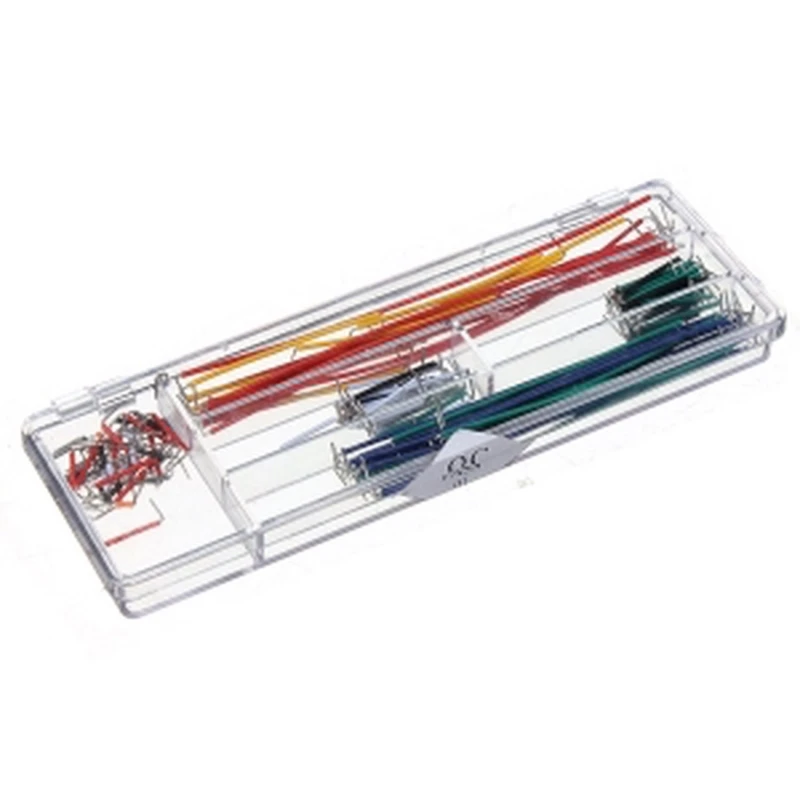
Kit 140 jumper per breadboard con scatola in plastica per progetti Arduino
Marchio: satkit
3,65€
IVA inclusa (IVA escl.: 2,99€)
Scorte limitate
Consegna standard
Mer, Apr 22 - Ven, Apr 24
Consegna espressa
Lun, Apr 20 - Mar, Apr 21
Resi entro 30 giorni
Resi gratuiti entro 30 giorni
Transazione sicura


Share:
Consegna gratuita
Per ordini superiori a 300€
Resi facili
Politica di reso di 30 giorni
Pagamento sicuro
Checkout 100% sicuro
Garanzia di qualità
Solo prodotti originali
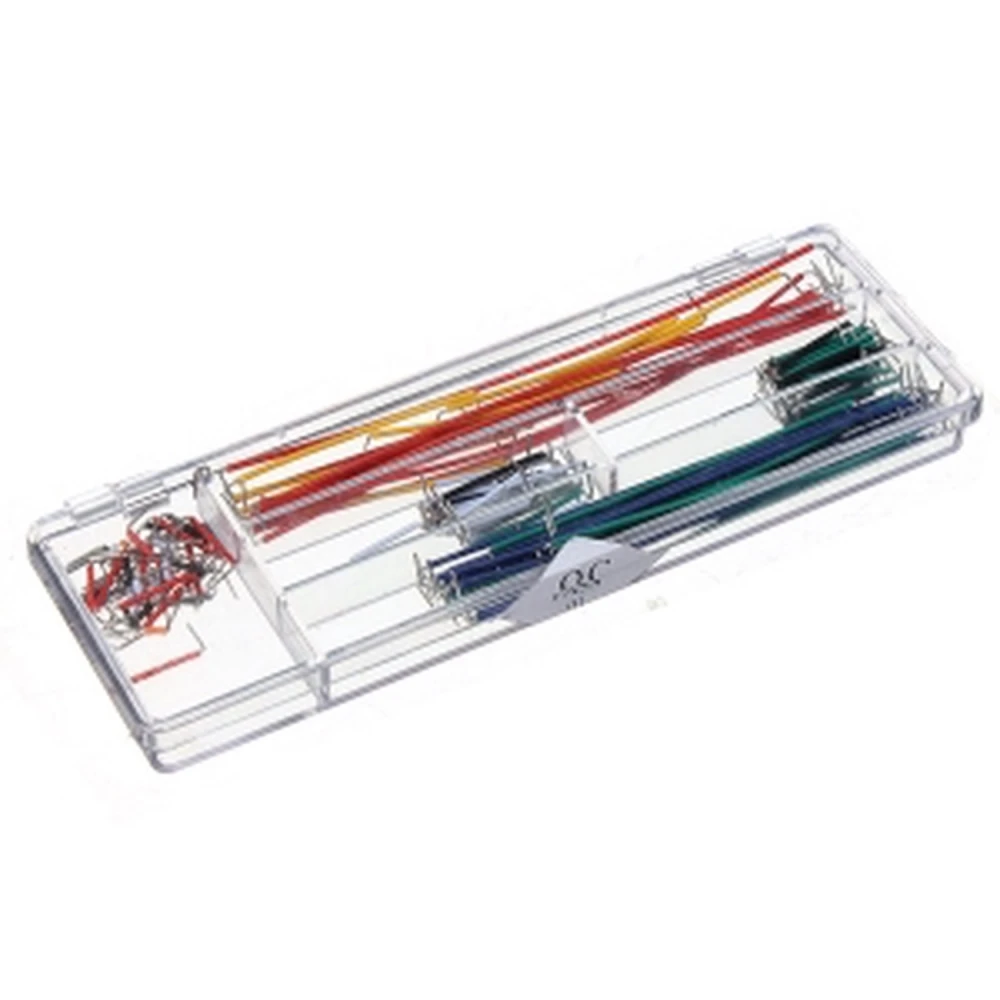
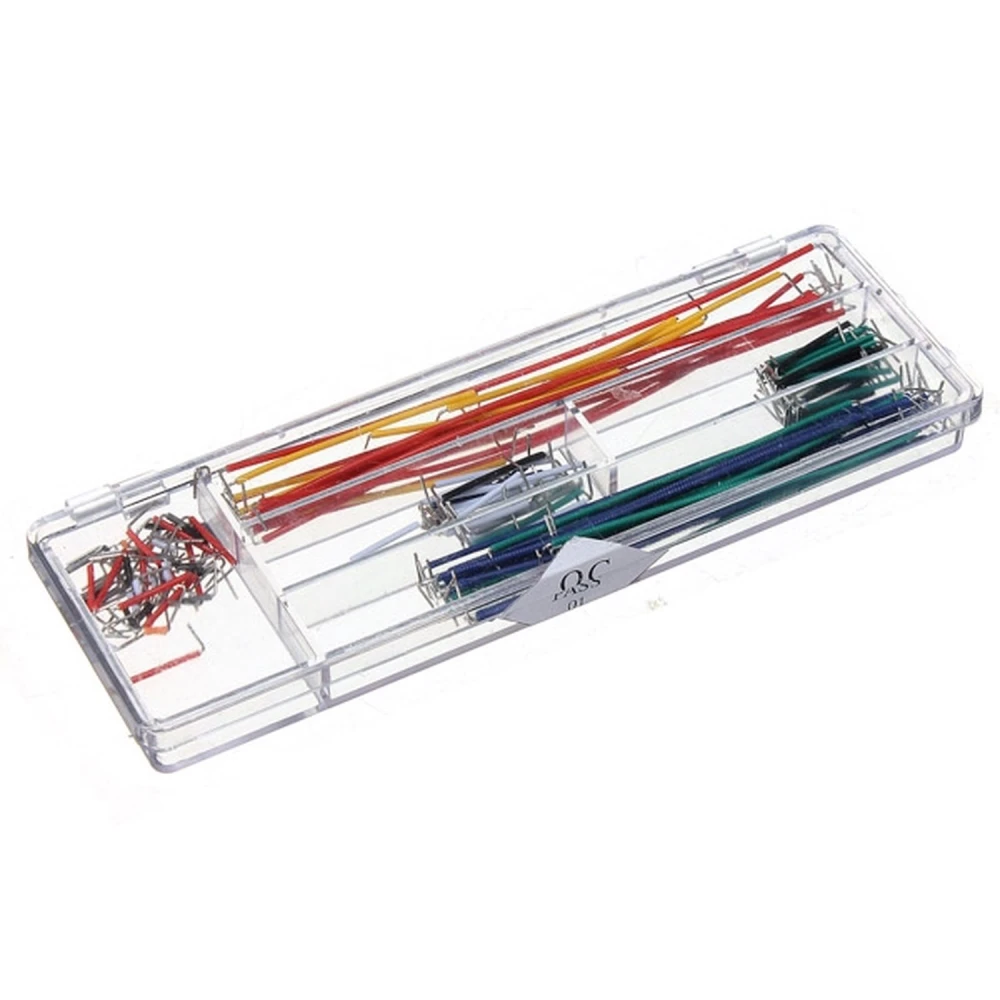
Questo Kit 140 Jumpers Puentes para Protoboard è una soluzione completa per i tuoi progetti di elettronica e Arduino. Include 140 cavi da 0,6 mm di diametro, progettati per connessioni rapide e sicure su breadboard o protoboard.
I cavi sono disponibili in 14 lunghezze diverse, con 10 pezzi per ogni misura, offrendo grande flessibilità per assemblare circuiti vari e complessi senza grovigli né confusione. Le lunghezze incluse sono: 2, 5, 7, 10, 12, 15, 17, 20, 22, 25, 50, 75, 100 e 125 mm.
Tutti i jumper sono organizzati in una pratica scatola in plastica che ne facilita la conservazione e il trasporto, mantenendo ordine e accessibilità durante il lavoro.
- Diametro dei cavi: 0,6 mm
- Quantità totale: 140 cavi
- Lunghezze varie: 14 misure diverse, 10 cavi per misura
- Organizzazione: Scatola in plastica per facile conservazione
Questo kit è ideale per chi lavora con progetti Arduino, prototipi elettronici o qualsiasi montaggio che richieda connessioni temporanee su protoboard. I cavi permettono di realizzare ponti in modo rapido ed efficiente, facilitando la sperimentazione e lo sviluppo di circuiti.
Inoltre, la sua compatibilità con la maggior parte delle protoboard standard lo rende un accessorio indispensabile per studenti, appassionati e professionisti dell'elettronica.
Usi tipici:
- Montaggio di circuiti temporanei su protoboard
- Progetti di elettronica DIY e didattica
- Sviluppo e test di progetti Arduino
- Riparazione e manutenzione di circuiti elettronici
Con questo kit, potrai avere a portata di mano un'ampia varietà di cavi per realizzare connessioni pulite e ordinate, migliorando l'efficienza e la presentazione dei tuoi progetti.
- 140 cavi da 0,6 mm per breadboard
- 14 lunghezze diverse, 10 cavi per misura
- Scatola in plastica per conservazione e trasporto
- Ideale per progetti Arduino e prototipi elettronici
- Compatibile con la maggior parte delle protoboard standard
Domande e risposte dei clienti
Quins avantatges té utilitzar aquests jumpers amb protoboards davant de cables flexibles tradicionals?
Aquests jumpers tenen extrems preformats de 0,6 mm que encaixen perfectament en protoboards estàndard sense necessitat de pelar o retorçar cables, cosa que redueix el risc de connexions fluixes i facilita l’organització, tot i que són menys adaptables en recorreguts complexos comparats amb cables flexibles.
De quin material estan fets els cables i quin és el seu calibre específic?
Els cables estan fabricats en coure recobert amb aïllament de PVC, amb un diàmetre de 0,6 mm (aproximadament AWG #22), ideal per a aplicacions de baixa intensitat en electrònica educativa o de prototipatge.
Amb quins voltatges i corrents màxims són segurs aquests jumpers per a l'ús en protoboards?
Es recomana no superar 300 V i 1 A de corrent continu per jumper, ja que valors superiors poden sobreescalfar l'aïllament o forçar la resistència del coure, especialment en connexions prolongades.
Hi ha normatives o proves de seguretat que certifiquin aquests jumpers per a ús didàctic o de laboratori?
Aquest tipus de jumpers generalment no està certificat sota normes estrictes com UL, ja que estan destinats a prototipatge i ús educatiu de baixa tensió; tanmateix, compleixen les toleràncies de materials i calibres típiques per a laboratoris d'electrònica bàsica.
What material are the cables made from, and what is their specific gauge?
The cables are made from copper with PVC insulation, with a diameter of 0.6 mm (approximately AWG #22), ideal for low-current applications in educational electronics or prototyping.
What maximum voltages and currents are these jumpers safe for when used on breadboards?
It is recommended not to exceed 300 V and 1 A of direct current per jumper, as higher values may overheat the insulation or strain the copper resistance, especially in prolonged connections.
Are there any safety regulations or tests certifying these jumpers for educational or laboratory use?
This type of jumper is generally not certified under strict standards such as UL, as they are intended for prototyping and low-voltage educational use; however, they meet the typical material and gauge tolerances used in basic electronics labs.
What are the advantages of using these jumpers with breadboards compared with traditional flexible wires?
These jumpers have pre-formed 0.6 mm ends that fit perfectly into standard breadboards without the need to strip or twist wires, reducing the risk of loose connections and making organisation easier, although they are less adaptable for complex routing than flexible wires.
What material are the cables made from and what is their specific gauge?
The cables are made from copper with a PVC insulation coating, with a diameter of 0.6 mm (approximately AWG #22), ideal for low-current applications in educational electronics or prototyping.
What voltages and maximum currents are these jumpers safe for when used on breadboards?
It is recommended not to exceed 300 V and 1 A of DC current per jumper, as higher values may overheat the insulation or strain the copper resistance, especially in prolonged connections.
Scrivi una recensione cliente
I clienti che hanno acquistato questo articolo hanno acquistato anche

Supporto speciale resistente al calore per riparazione schede PCB iPhone 6S
14,64€
Ne restano solo 4 in magazzino


Supporto speciale per riparazione schede PCB iPhone 6plus resistente al calore
14,64€
Ne restano solo 2 in magazzino

Supporto speciale per riparazione schede PCB iPhone 6 resistente al calore
14,64€
Ne restano solo 5 in magazzino


Supporto speciale per riparazione scheda PCB iPhone 5s resistente al calore
14,64€
Ne restano solo 2 in magazzino
Articoli visualizzati di recente
 Kit 140 jumper per breadboard con scatola in plastica per progetti Arduino
3,65€