


8,78€
Disponibile
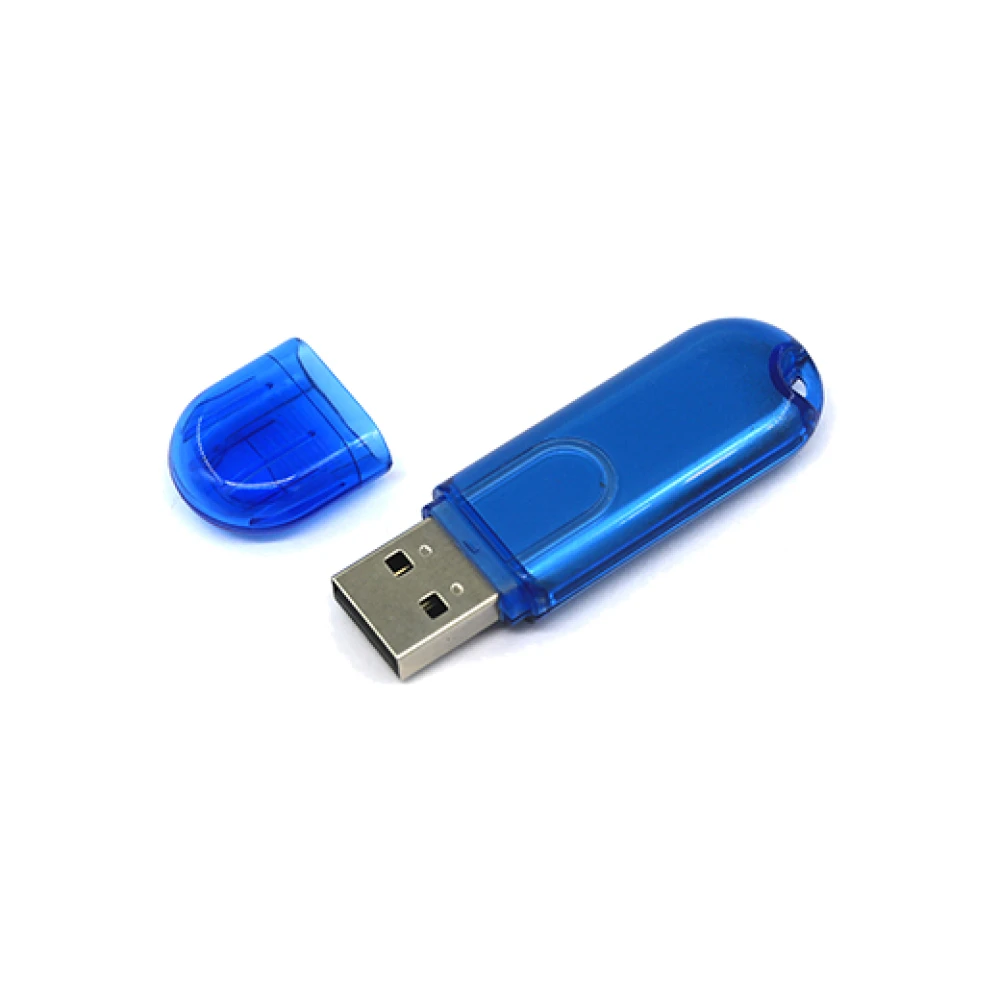
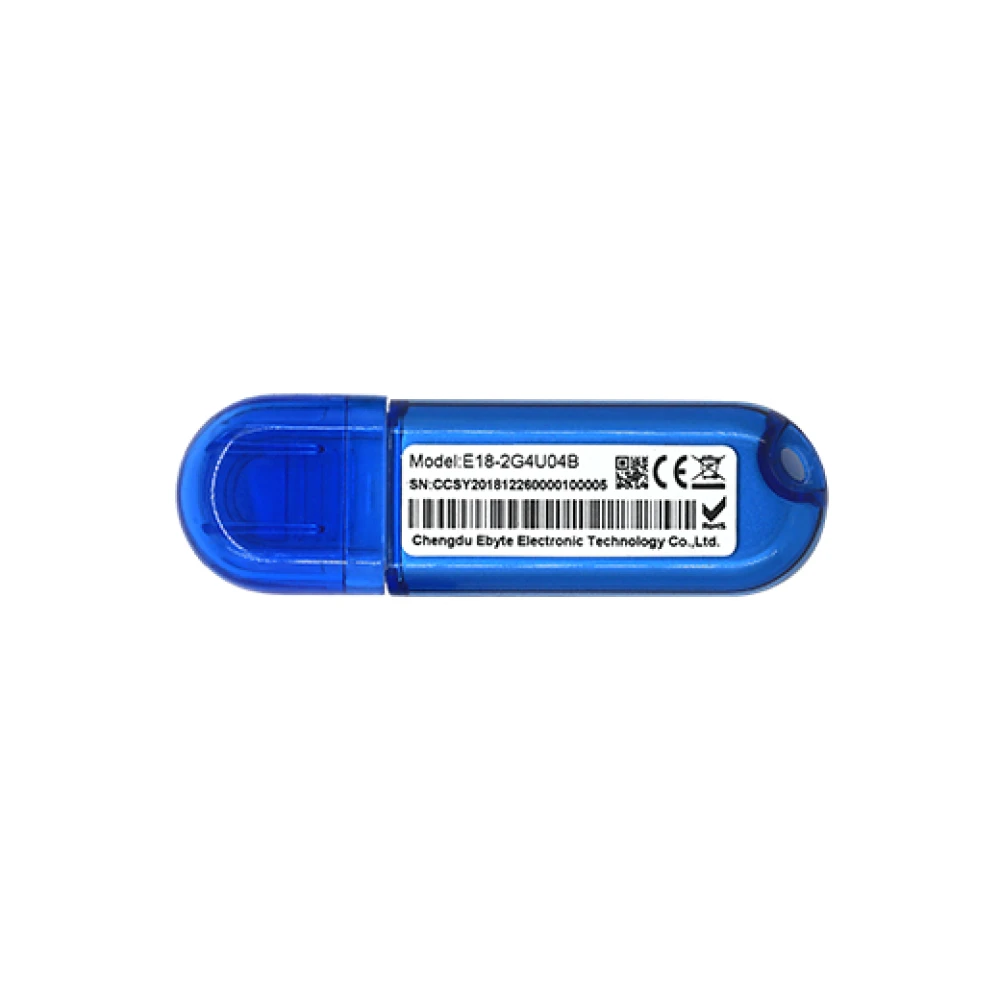
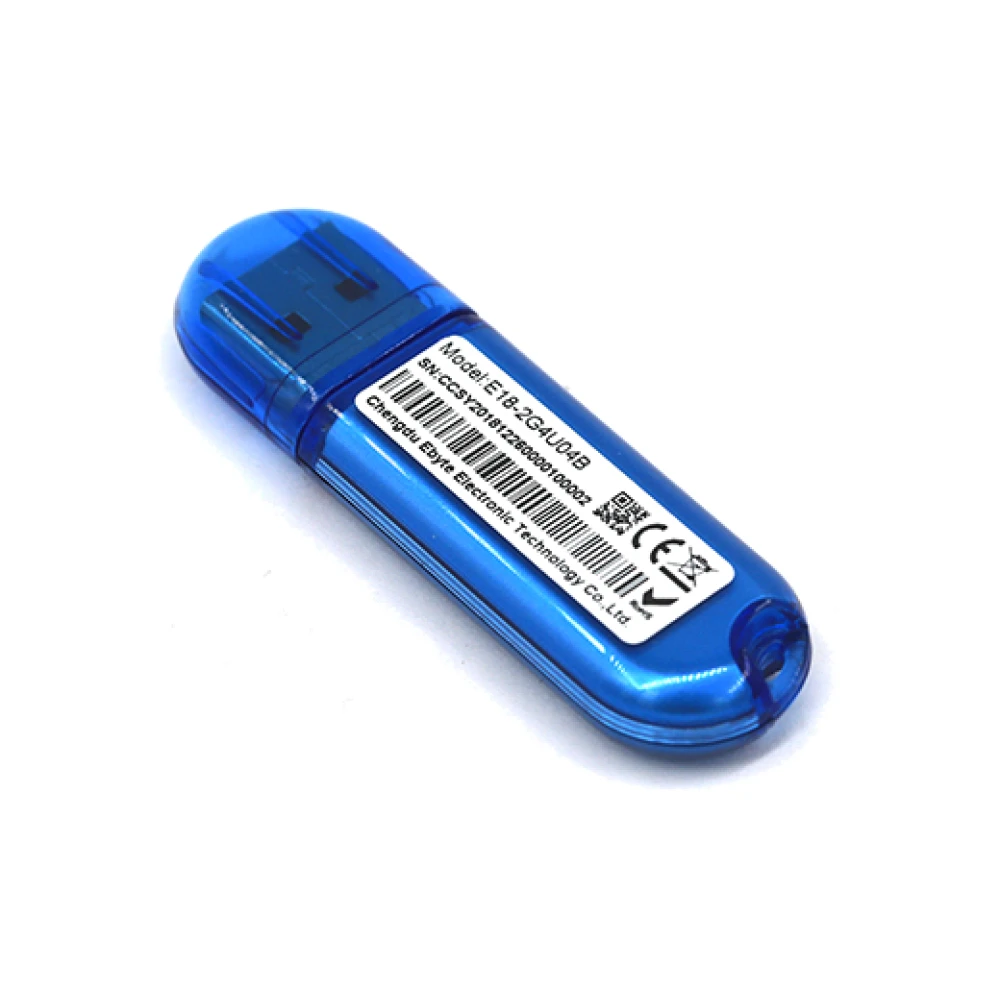
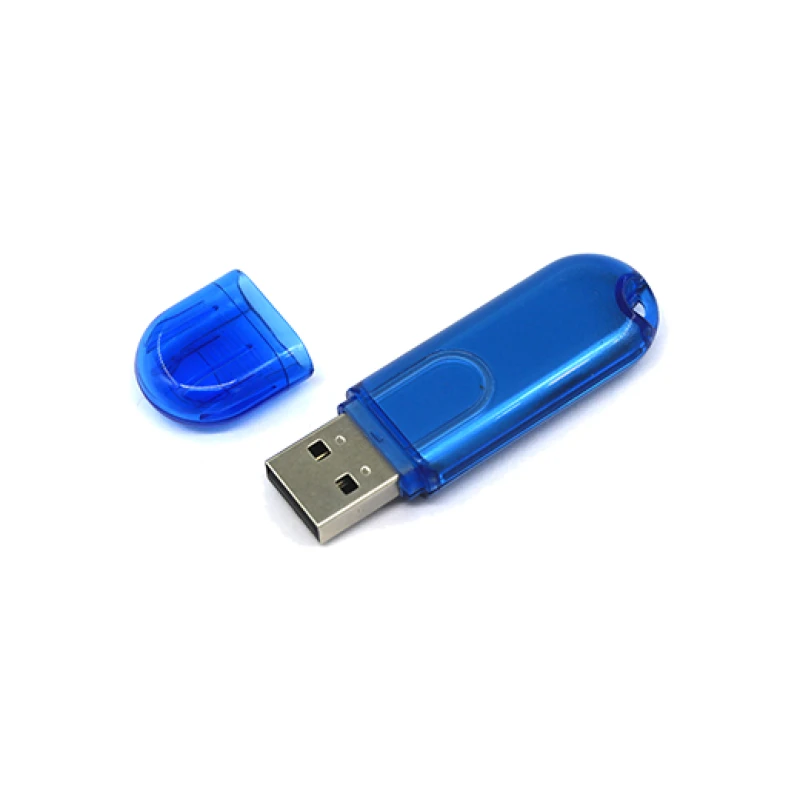
Adattatore USB Zigbee CC2531 per smart home - sniffer pacchetti
Marchio: satkit
8,78€
IVA inclusa (IVA escl.: 7,20€)
Ne restano solo 4 in magazzino: ordina subito!
Consegna standard
Mer, Apr 22 - Ven, Apr 24
Consegna espressa
Lun, Apr 20 - Mar, Apr 21
Resi entro 30 giorni
Resi gratuiti entro 30 giorni
Transazione sicura






Share:
Consegna gratuita
Per ordini superiori a 300€
Resi facili
Politica di reso di 30 giorni
Pagamento sicuro
Checkout 100% sicuro
Garanzia di qualità
Solo prodotti originali
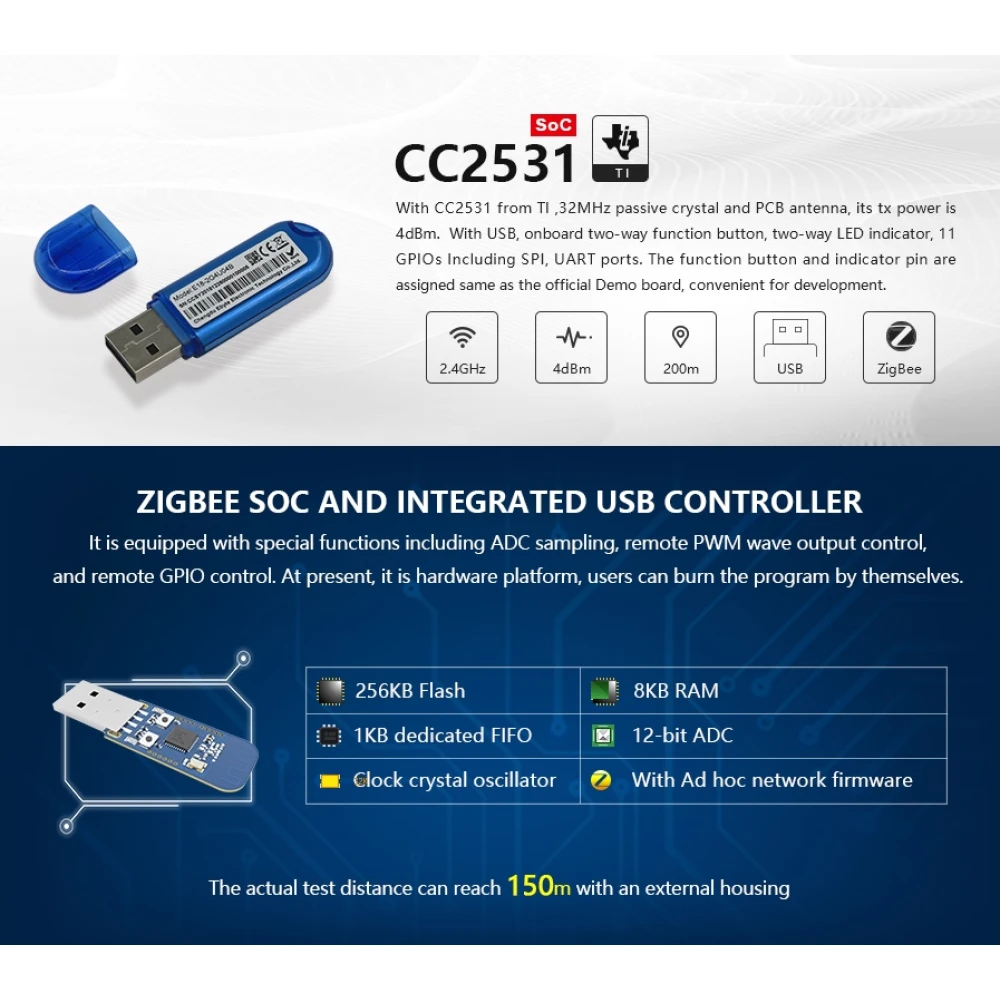
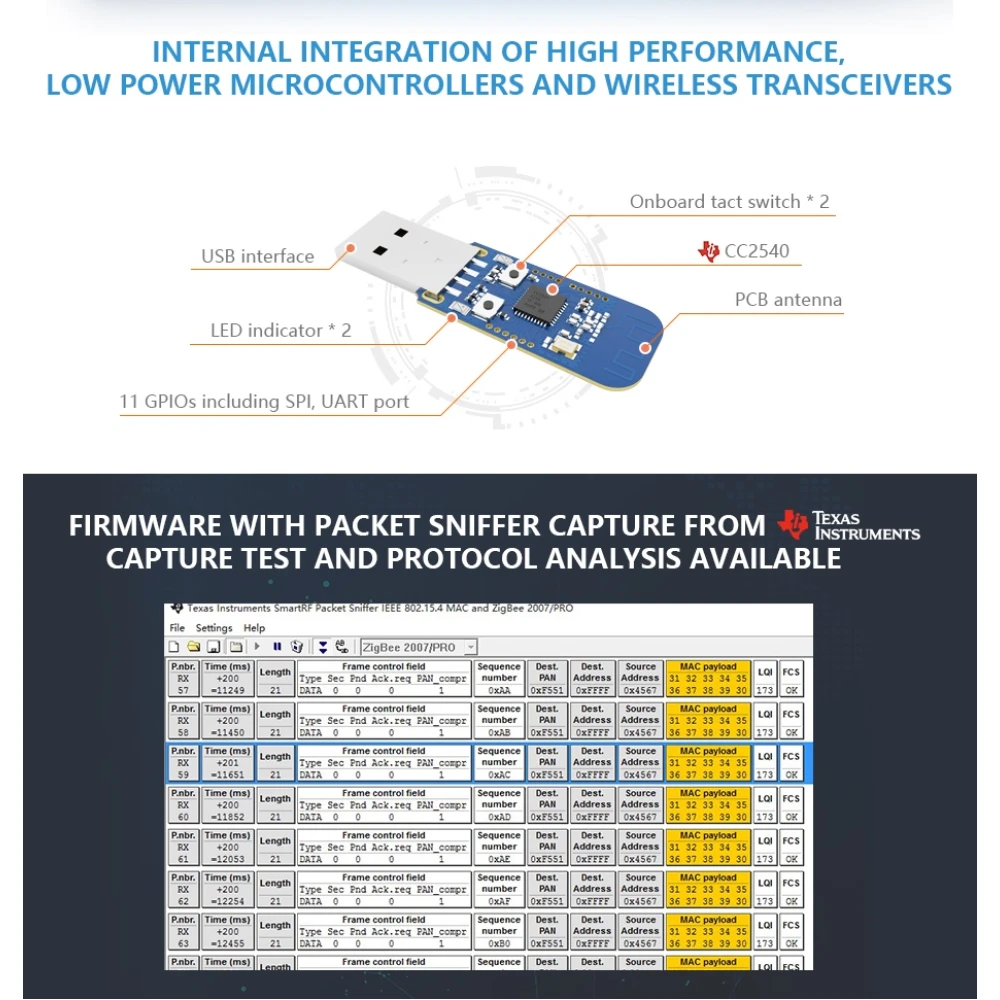
Il adattatore USB Zigbee CC2531 è un dispositivo essenziale per chi desidera integrare e controllare dispositivi di domotica nella smart home. Questo transceiver ZigBee / IEEE 802.15.4 integra una CPU 8051 e un'interfaccia USB in un unico chip, rendendolo compatto ed efficiente.
Grazie alla porta di programmazione, è possibile caricare firmware personalizzato che trasforma il dispositivo in un hub Zigbee, consentendo di sostituire molti gateway ZigBee proprietari. Questo facilita il controllo di diversi dispositivi come lampade smart, sensori di temperatura e interruttori, aumentando la compatibilità e la flessibilità del tuo sistema di automazione.
Questo adattatore può essere usato direttamente con adattatori compatibili oppure collegato a una Raspberry Pi (o Pi arancione, tra gli altri) per funzionare come gateway remoto ZigBee a MQTT. Questa configurazione consente di posizionare il dispositivo nel punto ottimale per migliorare la portata e la stabilità della rete Zigbee.
Caratteristiche principali
- Chip: CC2531 di Texas Instruments
- Frequenza di funzionamento: da 2.394 a 2.507 GHz
- Protocollo: Zigbee / IEEE 802.15.4
- Distanza massima: Fino a 1500 metri in esterno
- Interfaccia: USB per un facile collegamento
- Integrazione: CPU 8051 integrata e transceiver wireless
- Amplificazione: Include PA + LNA per migliorare portata e stabilità
- Funzioni aggiuntive: Campionamento ADC, controllo remoto PWM e GPIO
Usi tipici
- Controllo e monitoraggio di dispositivi Zigbee nei sistemi di domotica
- Sviluppo e test di firmware personalizzato per reti Zigbee
- Implementazione di gateway Zigbee su Raspberry Pi per automazione avanzata
- Sniffer di pacchetti per analisi e diagnostica delle reti Zigbee
Compatibilità
Questo adattatore è compatibile con sistemi che supportano il protocollo Zigbee e può essere integrato con piattaforme di automazione domestica che consentono l'uso di dispositivi USB o gateway basati su Raspberry Pi. È ideale per utenti che desiderano personalizzare la propria rete Zigbee e migliorare la copertura e il controllo dei dispositivi connessi.
Contenuto della confezione
- 1 x Adattatore USB Zigbee CC2531 (modello E18-2G4U04B) con firmware preinstallato
- Transceiver ZigBee CC2531 con CPU 8051 integrata
- Frequenza di funzionamento da 2.394 a 2.507 GHz
- Protocollo Zigbee / IEEE 802.15.4 compatibile
- Portata massima fino a 1500 metri in esterno
- Interfaccia USB per un collegamento semplice
- Include amplificazione PA + LNA per maggiore stabilità
- Consente di caricare firmware personalizzato per funzioni avanzate
- Ideale per domotica e analisi delle reti Zigbee
Domande e risposte dei clienti
Quin és el procediment recomanat per instal·lar i posar en marxa aquest sniffer Zigbee CC2531?
El procediment habitual consisteix a inserir l’adaptador USB al port d’un ordinador o microordinador (com Raspberry Pi). Si cal actualitzar el firmware, implica l’ús d’un programador CC debugger i un programari com 'Zadig' per instal·lar el driver USB adequat. Els passos inclouen flashejar el firmware apropiat (per exemple, Zigbee2MQTT o sniffer) i, en alguns casos, instal·lar dependències de programari al sistema amfitrió. El procés normalment requereix coneixements bàsics de programari i controladors, però no sol superar els 20 minuts. És recomanable consultar la documentació del firmware escollit abans de començar.
Quin abast realista de comunicació sense fil es pot esperar en interiors i quins factors l’afecten?
Tot i que l’abast màxim especificat és de fins a 1500 m a l’exterior en condicions ideals, en entorns interiors típics (parets, interferències Wi-Fi 2,4 GHz), el rang pràctic sol oscil·lar entre 10 i 30 metres. Factors com la presència d’obstacles, altres dispositius que operen a la banda de 2,4 GHz i la qualitat de l’alimentació elèctrica poden reduir l’abast efectiu. L’ús de routers Zigbee addicionals pot ampliar la cobertura de la xarxa.
Aquest dispositiu compleix alguna normativa d’emissions i seguretat elèctrica aplicable a la UE o Amèrica?
El CC2531 i els mòduls basats en el xip TI CC2531 solen complir les normes generals de compatibilitat electromagnètica (EMC) i freqüència (ETSI EN 300 328 per a Europa, FCC Part 15 per als EUA), però la certificació específica depèn de l’assemblador final o del distribuïdor. Aquest adaptador en particular no es lliura amb informe de conformitat CE ni FCC al consumidor, de manera que la responsabilitat del seu ús legal recau en l’usuari. No disposa d’aïllament galvànic, per la qual cosa només és apte per a ús en dispositius de baixa tensió USB sota supervisió.
What is the recommended procedure to install and get this CC2531 Zigbee sniffer up and running?
The usual procedure is to plug the USB adapter into a computer or single-board computer (such as Raspberry Pi). If a firmware update is required, this involves using a CC debugger programmer and software such as 'Zadig' to install the correct USB driver. The steps include flashing the appropriate firmware (for example, Zigbee2MQTT or sniffer firmware) and, in some cases, installing software dependencies on the host system. The process typically requires basic knowledge of software and drivers, but usually takes no more than 20 minutes. It is advisable to consult the documentation for the chosen firmware before starting.
What realistic wireless communication range can be expected indoors, and what factors affect it?
Although the maximum specified range is up to 1500 m outdoors under ideal conditions, in typical indoor environments (walls, 2.4 GHz Wi-Fi interference), the practical range is usually between 10 and 30 metres. Factors such as obstacles, other devices operating in the 2.4 GHz band and the quality of the power supply can reduce the effective range. Using additional Zigbee routers can extend network coverage.
Does this device comply with any applicable emissions and electrical safety regulations in the EU or the Americas?
The CC2531 and modules based on the TI CC2531 chip usually comply with general electromagnetic compatibility (EMC) and frequency standards (ETSI EN 300 328 for Europe, FCC Part 15 for the US), but specific certification depends on the final assembler or distributor. This adapter is not supplied to the consumer with a CE or FCC conformity report, so the user is responsible for lawful use. It has no galvanic isolation, so it is only suitable for use with low-voltage USB devices under supervision.
What is the recommended procedure for installing and setting up this CC2531 Zigbee sniffer?
The usual procedure is to insert the USB adapter into the port of a computer or microcomputer (such as a Raspberry Pi). If firmware updating is required, this involves using a CC debugger programmer and software such as 'Zadig' to install the correct USB driver. The steps include flashing the appropriate firmware (for example, Zigbee2MQTT or sniffer) and, in some cases, installing software dependencies on the host system. The process typically requires basic knowledge of software and drivers, but usually takes no more than 20 minutes. It is advisable to consult the documentation for the chosen firmware before starting.
What realistic wireless communication range can be expected indoors, and what factors affect it?
Although the maximum specified range is up to 1500 m outdoors under ideal conditions, in typical indoor environments (walls, 2.4 GHz Wi-Fi interference), the practical range is usually between 10 and 30 metres. Factors such as obstacles, other devices operating in the 2.4 GHz band and the quality of the power supply can reduce the effective range. Using additional Zigbee routers can extend network coverage.
Does this device comply with any applicable emissions and electrical safety regulations in the EU or the Americas?
The CC2531 and modules based on the TI CC2531 chip usually comply with general electromagnetic compatibility (EMC) and frequency standards (ETSI EN 300 328 for Europe, FCC Part 15 for the US), but specific certification depends on the final assembler or distributor. This adapter in particular is not supplied to the consumer with a CE or FCC conformity report, so responsibility for lawful use lies with the user. It does not have galvanic isolation, so it is only suitable for use with low-voltage USB devices under supervision.
Vilket rekommenderat förfarande finns för att installera och komma igång med denna CC2531 Zigbee-sniffer?
Det vanliga förfarandet är att sätta in USB-adaptern i porten på en dator eller mikrodator (som Raspberry Pi). Om firmwareuppdatering krävs innebär det användning av en CC debugger och programvara som 'Zadig' för att installera rätt USB-drivrutin. Stegen inkluderar att flasha lämplig firmware (till exempel Zigbee2MQTT eller sniffer) och i vissa fall installera programvaruberoenden på värdsystemet. Processen kräver vanligtvis grundläggande kunskap om programvara och drivrutiner, men tar normalt inte mer än 20 minuter. Det rekommenderas att läsa dokumentationen för den valda firmwaren innan du börjar.
Scrivi una recensione cliente
I clienti che hanno acquistato questo articolo hanno acquistato anche
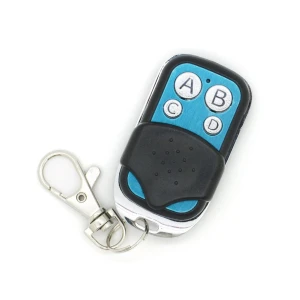
Telecomando RF 433MHz Sonoff a 4 pulsanti per dispositivi smart home
6,10€
Ne restano solo 10 in magazzino
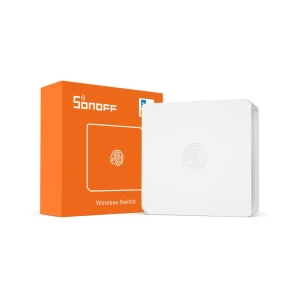
SONOFF ZigBee interruttore wireless SNZB-01 con pulsazione singola, doppia e lunga
8,05€
Ne restano solo 3 in magazzino
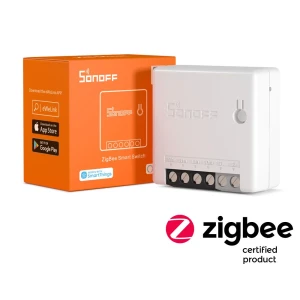
SONOFF ZBMINI ZigBee Interruttore Smart Mini per Controllo Luci 2 Vie
9,76€
Ne restano solo 5 in magazzino
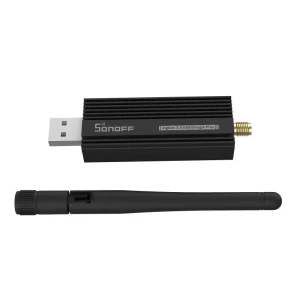
SONOFF ZBDongle-P Gateway Zigbee 3.0 USB Plus con antenna per Home Assistant e Open HAB
23,18€
Ne restano solo 3 in magazzino
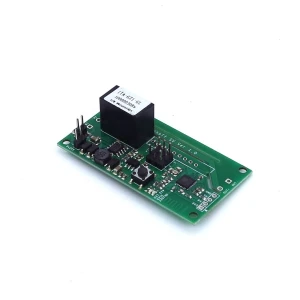
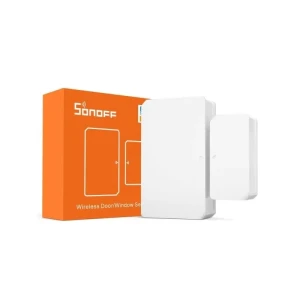
SONOFF SNZB-04 - Sensore di apertura porta ZigBee wireless per domotica
8,47€
Ne restano solo 3 in magazzino
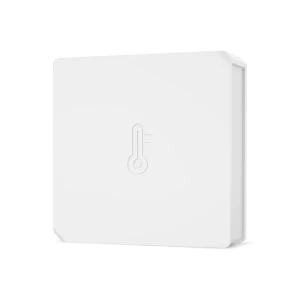
SONOFF SNZB-02 Sensore temperatura e umidità ZigBee mini wireless
9,97€
Ne restano solo 2 in magazzino
 Adattatore USB Zigbee CC2531 per smart home - sniffer pacchetti
8,78€