


5,38€
Disponibile
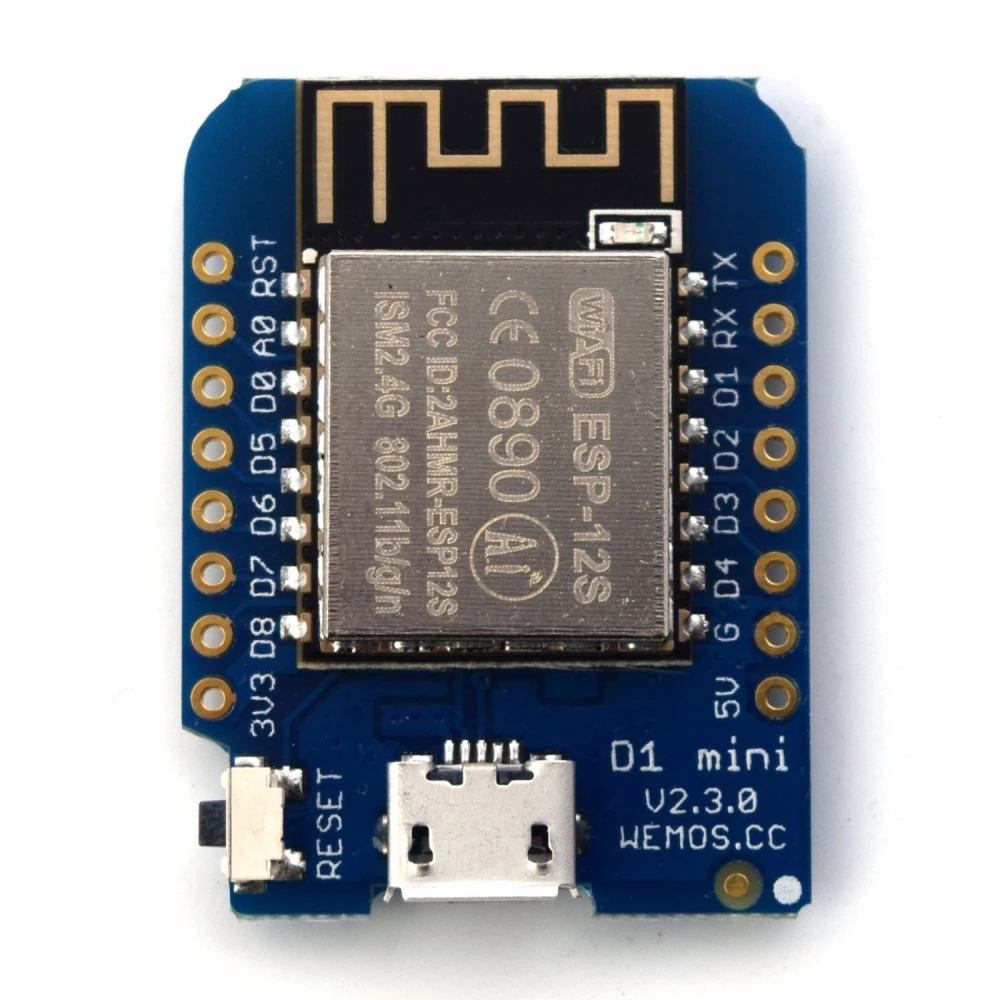
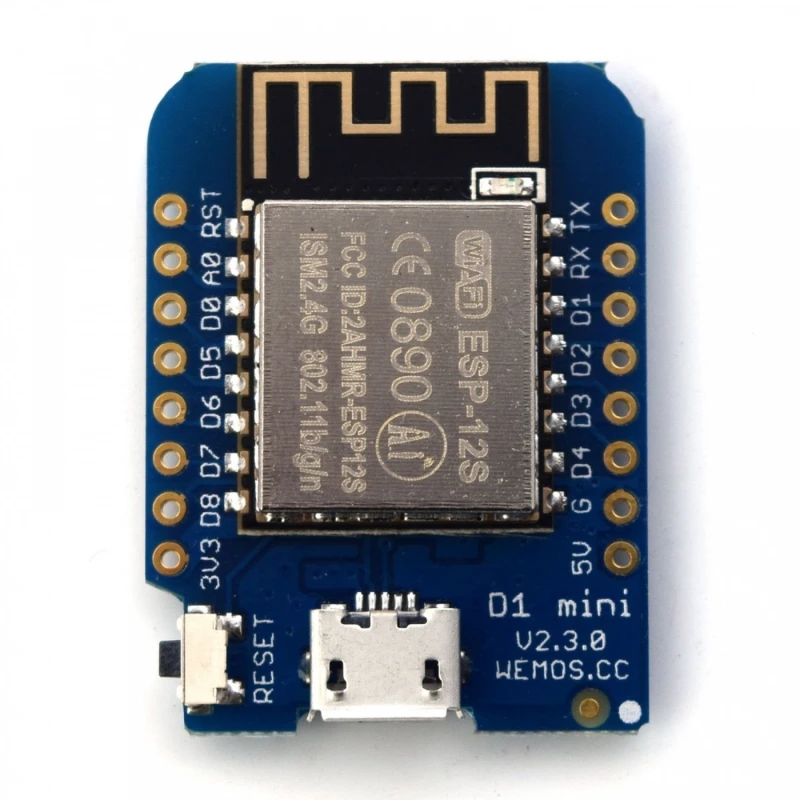
Wemos D1 Mini NodeMCU WiFi ESP8266 - Scheda di sviluppo IoT Arduino ESP8266
Marchio: satkit
5,38€
IVA inclusa (IVA escl.: 4,41€)
Disponibile - Spedizione immediata
Consegna standard
Mer, Apr 22 - Ven, Apr 24
Consegna espressa
Lun, Apr 20 - Mar, Apr 21
Resi entro 30 giorni
Resi gratuiti entro 30 giorni
Transazione sicura






Share:
Consegna gratuita
Per ordini superiori a 300€
Resi facili
Politica di reso di 30 giorni
Pagamento sicuro
Checkout 100% sicuro
Garanzia di qualità
Solo prodotti originali
Il Wemos D1 Mini Nodemcu Wifi Esp8266 è una scheda di sviluppo compatta che combina un potente microcontrollore ARM con connettività WiFi, progettata per progetti di Internet of Things (IoT) e compatibile con Arduino. Basata sul modulo ESP12E con 4MB di memoria flash, questa scheda è una versione miniaturizzata del modulo NodeMCU standard, offrendo la stessa funzionalità in un formato ridotto.
Questa scheda è totalmente compatibile con NodeMCU e lo script Lua, anche se il suo massimo potenziale si sfrutta utilizzandola con la piattaforma Arduino e il pacchetto ESP8266, il che la rende una scelta ideale per sviluppatori e appassionati di elettronica che cercano di creare dispositivi connessi in modo semplice ed efficiente.
Caratteristiche chiave:
- Microcontrollore ESP8266EX con 4MB di memoria flash (ESP12E).
- Frequenza di funzionamento di 160 MHz, superiore ai tipici 8/16 MHz.
- Compatibile con la maggior parte delle librerie ed esempi Arduino, facilitando lo sviluppo.
- Chipset CH340 per comunicazione UART e sistema di auto-reset per il caricamento automatico.
- Alimentazione tramite USB micro, con ingressi da 3.3V e 5V.
- 11 pin disponibili con funzioni di interrupt (IRQ), PWM, I2C e 1-wire (eccetto D0).
- Include connettori maschio e femmina, con header femmina a doppia lunghezza per maggiore flessibilità.
- Dimensioni compatte di 34,2 x 25,6 mm, ideale per progetti con vincoli di spazio.
Usi tipici:
- Sviluppo di dispositivi IoT connessi a reti WiFi.
- Prototipi di automazione e controllo remoto con Arduino.
- Progetti didattici e sperimentazione con microcontrollori e connettività wireless.
- Integrazione in sistemi di sensori e apparecchi di misura con comunicazione wireless.
Per installare il pacchetto Arduino ESP8266, si consiglia di consultare il manuale e accedere al gestore schede Arduino tramite il link https://arduino.esp8266.com/stable/package_esp8266com_index.json. Per lavorare con NodeMCU, sono disponibili risorse specifiche.
Il Wemos D1 Mini è una delle schede base più riconosciute per lo sviluppo con ESP8266, offrendo una piattaforma facile da usare con numerosi esempi e supporto della community. La sua compatibilità con Arduino facilita il passaggio per gli sviluppatori che desiderano integrare la connettività WiFi nei propri progetti senza complicazioni.
- Microcontrollore ESP8266EX con 4MB flash (ESP12E)
- Frequenza di 160 MHz per prestazioni elevate
- Compatibile con NodeMCU, Lua e piattaforma Arduino
- Chipset CH340 per comunicazione UART e auto-reset
- Alimentazione tramite USB micro, 3.3V e 5V
- 11 pin con IRQ, PWM, I2C e 1-wire (eccetto D0)
- Include connettori maschio e femmina, header femmina a doppia lunghezza
- Dimensioni compatte: 34,2 x 25,6 mm
Domande e risposte dei clienti
Quines són les diferències clau entre el Wemos D1 Mini i un NodeMCU estàndard a l’hora de desenvolupar projectes IoT?
El Wemos D1 Mini té un format més compacte (34,2 mm x 25,6 mm), però utilitza el mateix microcontrolador ESP8266 (ESP-12E) i és compatible amb els mateixos entorns de desenvolupament (Arduino IDE, Lua). La mida reduïda permet integrar-lo en projectes amb espai limitat, tot i que sacrifica alguns pins disponibles respecte al NodeMCU estàndard, que és més gran i sol facilitar connexions per a prototips més amplis. L’elecció depèn principalment dels requisits d’espai i del nombre de perifèrics a connectar.
Quines interfícies de comunicació ofereix i quines són les seves limitacions tècniques?
El Wemos D1 Mini ofereix UART, I2C, SPI i PWM, accessibles des dels pins del header (D0-D8, RX, TX). La velocitat màxima per a UART és de 115200 bps de manera estable. I2C pot funcionar a 400 kHz, i SPI a un màxim teòric de 80 MHz, tot i que en la pràctica 40 MHz és més estable. Tots els pins tenen un corrent màxim recomanat de 12 mA per pin i no s’ha de superar per evitar danys.
Què inclou la caixa del producte i quines són les seves dimensions i pes aproximats?
Generalment, la caixa inclou la placa Wemos D1 Mini i els headers per soldar (de vegades ja soldats, depèn del proveïdor). Les dimensions són aproximadament 34,2 mm x 25,6 mm x 7 mm (alçada) i el pes és d’uns 3 g. Es pot verificar el contingut específic en el moment de la compra, ja que alguns kits inclouen més accessoris com ara cables.
Cal instal·lar drivers especials per fer servir el port USB i quins sistemes operatius són compatibles?
El Wemos D1 Mini utilitza un convertidor USB-UART CH340. Windows normalment requereix instal·lar el driver oficial de CH340, mentre que a Linux i macOS recents sol funcionar sense passos addicionals. Els drivers estan disponibles per a Windows (XP o superior), macOS i la majoria de distribucions Linux modernes.
What are the key differences between the Wemos D1 Mini and a standard NodeMCU when developing IoT projects?
The Wemos D1 Mini has a more compact form factor (34.2 mm x 25.6 mm), but uses the same ESP8266 microcontroller (ESP-12E) and is compatible with the same development environments (Arduino IDE, Lua). Its smaller size makes it suitable for projects with limited space, although it offers fewer available pins than the standard NodeMCU, which is larger and usually makes connections easier for bigger prototypes. The choice mainly depends on space requirements and the number of peripherals to be connected.
What communication interfaces does it offer and what are their technical limitations?
The Wemos D1 Mini offers UART, I2C, SPI and PWM, accessible from the header pins (D0-D8, RX, TX). The maximum stable UART speed is 115200 bps. I2C can run at 400 kHz, and SPI has a theoretical maximum of 80 MHz, although 40 MHz is more stable in practice. All pins have a recommended maximum current of 12 mA per pin and this should not be exceeded to avoid damage.
What is included in the box and what are its approximate dimensions and weight?
Generally, the box includes the Wemos D1 Mini board and the solder headers (sometimes already soldered, depending on the supplier). The dimensions are approximately 34.2 mm x 25.6 mm x 7 mm (height) and the weight is about 3 g. The exact contents can be checked at the time of purchase, as some kits include extra accessories such as cables.
Do I need to install special drivers to use the USB port and which operating systems are compatible?
The Wemos D1 Mini uses a CH340 USB-UART converter. Windows generally requires the official CH340 driver to be installed, while on recent Linux and macOS versions it usually works without any additional steps. Drivers are available for Windows (XP or later), macOS and most modern Linux distributions.
What are the key differences between the Wemos D1 Mini and a standard NodeMCU when developing IoT projects?
The Wemos D1 Mini has a more compact form factor (34.2 mm x 25.6 mm), but it uses the same ESP8266 microcontroller (ESP-12E) and is compatible with the same development environments (Arduino IDE, Lua). Its smaller size makes it suitable for projects with limited space, although it sacrifices some available pins compared with the standard NodeMCU, which is larger and usually makes connections easier for bigger prototypes. The choice mainly depends on space requirements and the number of peripherals to connect.
What communication interfaces does it offer and what are their technical limitations?
The Wemos D1 Mini offers UART, I2C, SPI and PWM, accessible from the header pins (D0-D8, RX, TX). The maximum stable UART speed is 115200 bps. I2C can run at 400 kHz, and SPI has a theoretical maximum of 80 MHz, although 40 MHz is more stable in practice. All pins have a recommended maximum current of 12 mA per pin and this should not be exceeded to avoid damage.
Scrivi una recensione cliente
I clienti che hanno acquistato questo articolo hanno acquistato anche
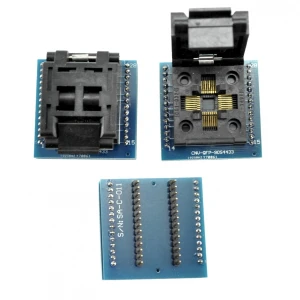
Zoccolo programmatore TQFP32 a DIP28 con facile inserimento compatibile satkit
26,84€
Ne restano solo 5 in magazzino
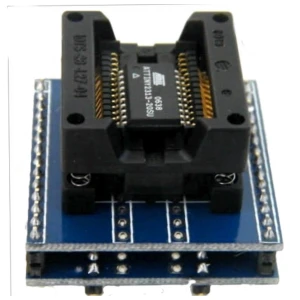
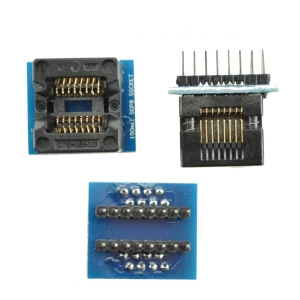
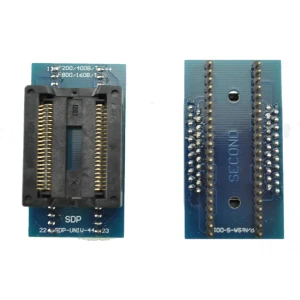
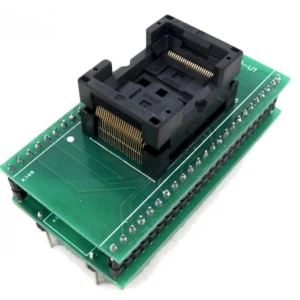
Zoccolo programmatore PSOP44 a DIP44 con facile inserimento per 44 pin
14,64€
Ne restano solo 7 in magazzino
Articoli visualizzati di recente
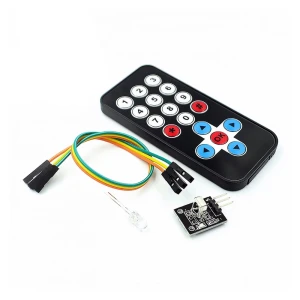
Kit telecomando a infrarossi per Arduino con sensore IR 38kHz e telecomando ultrasottile
3,17€
Ne restano solo 9 in magazzino
 Wemos D1 Mini NodeMCU WiFi ESP8266 - Scheda di sviluppo IoT Arduino ESP8266
5,38€