


1,96€
Disponibile
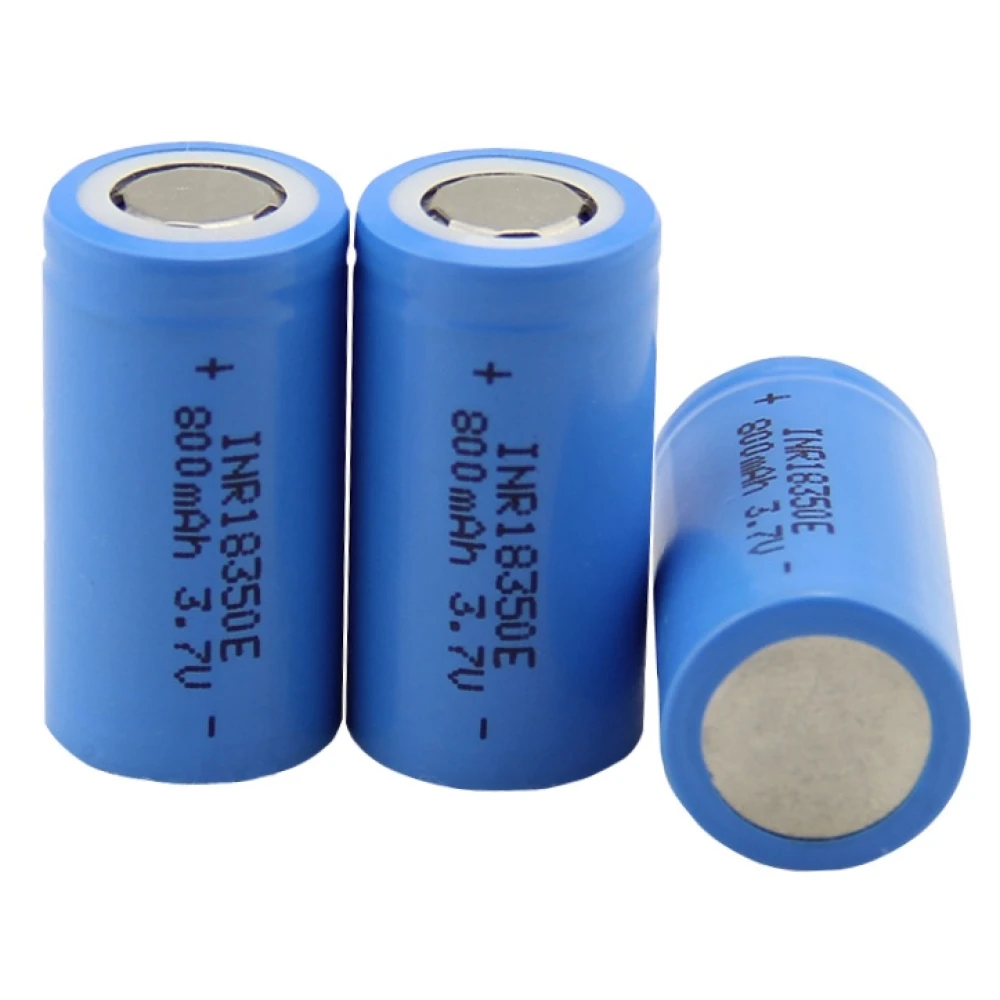
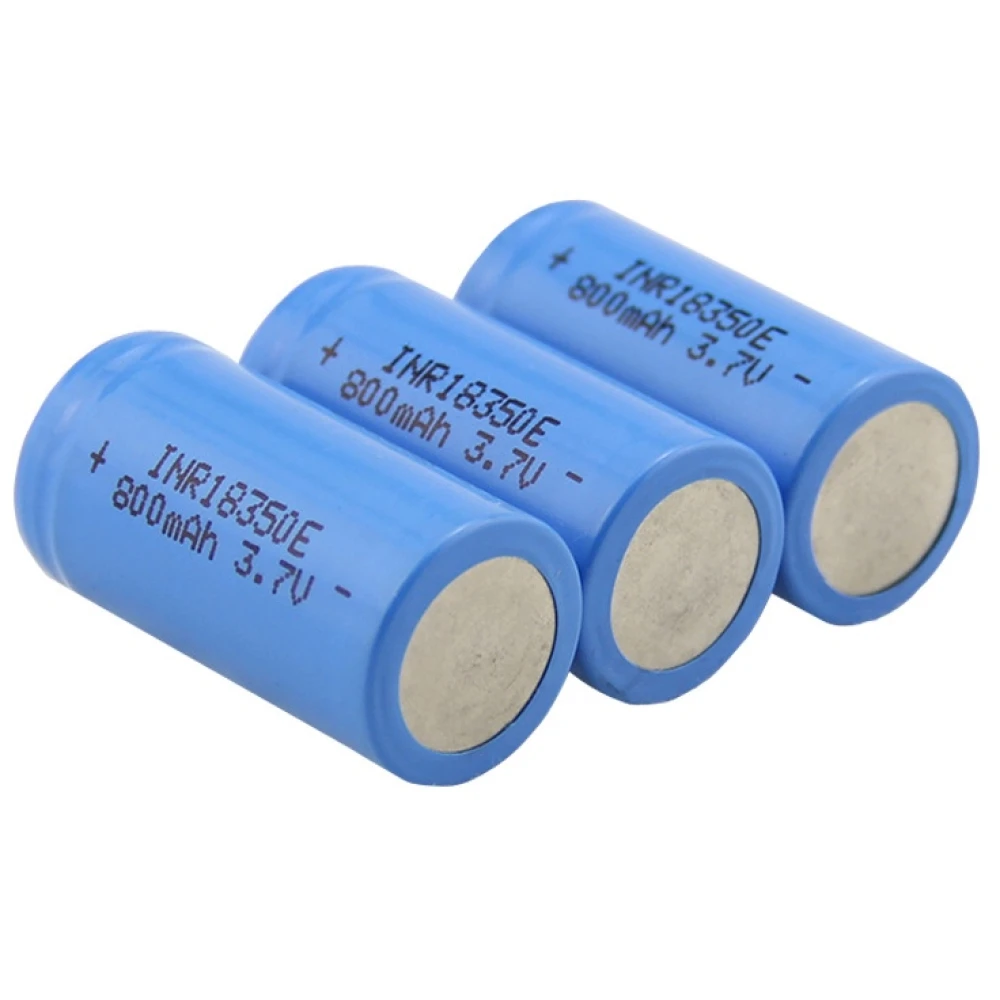
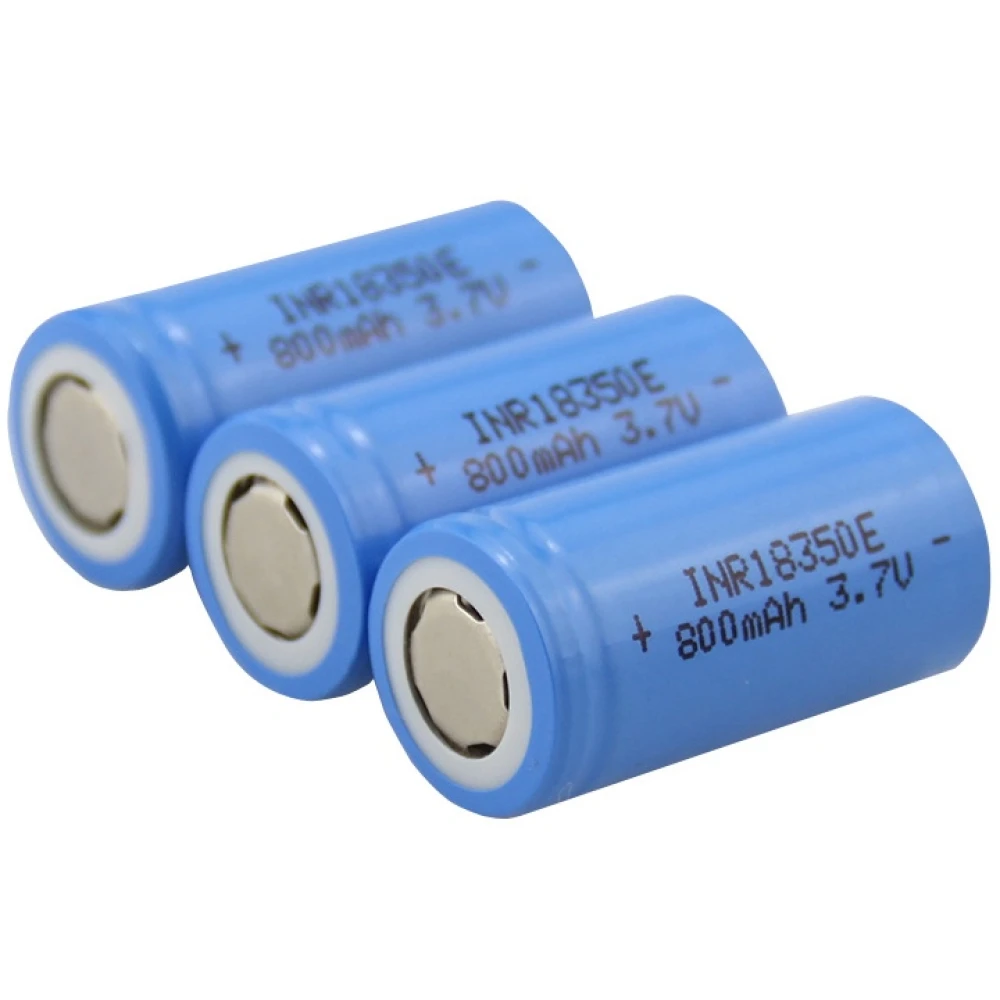
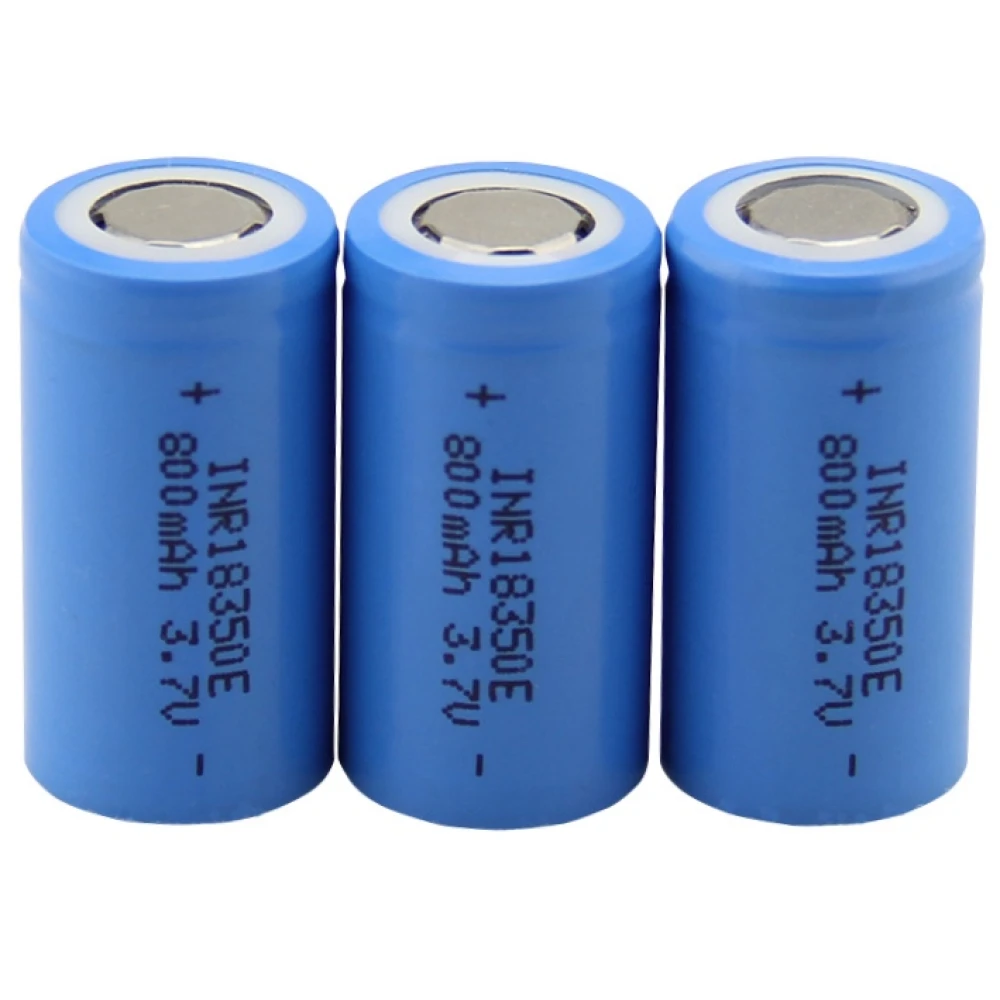
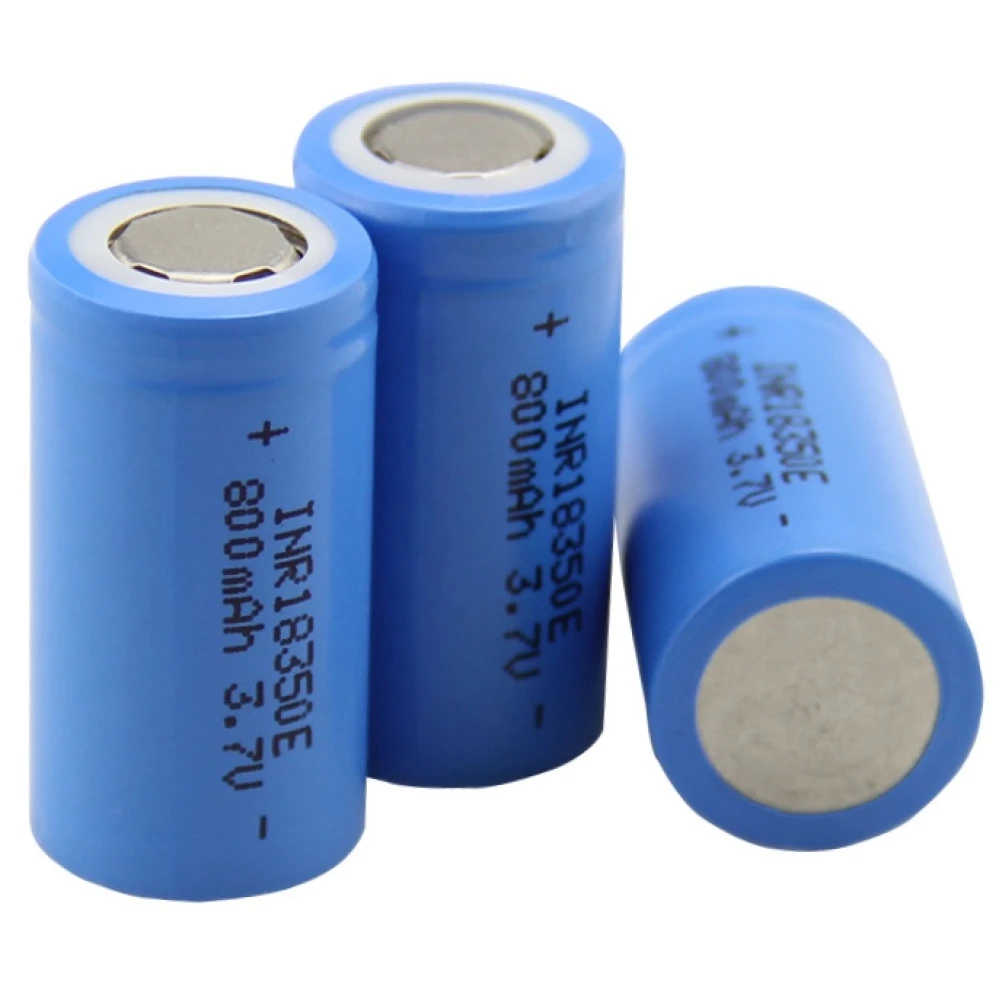
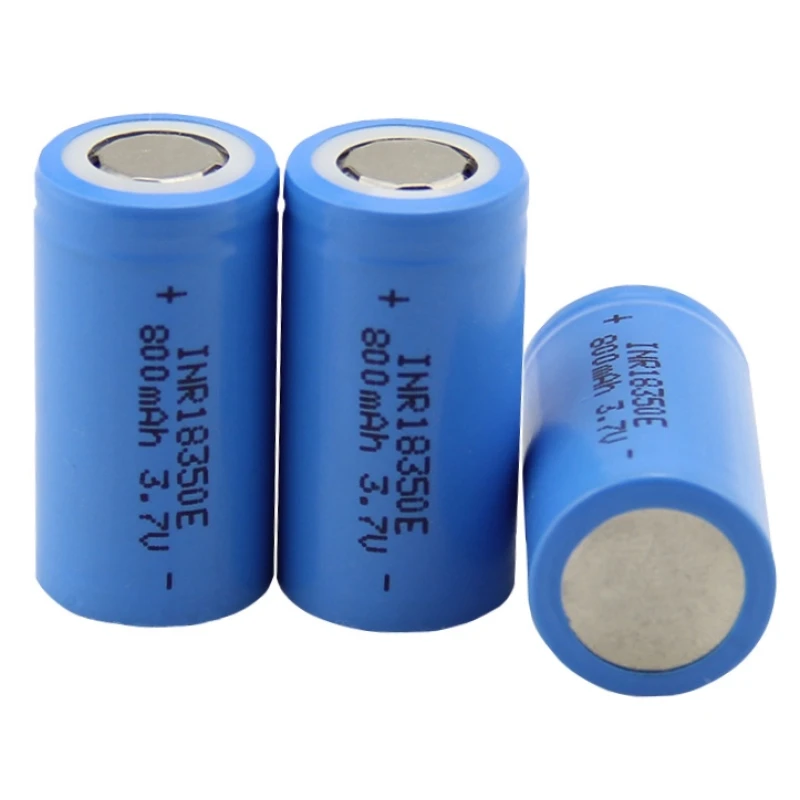
Batteria ricaricabile 18350 800mAh 3,7V Li-ion di alta qualità e durata
Marchio: satkit
1,96€
IVA inclusa (IVA escl.: 1,61€)
Disponibile - Spedizione immediata
Consegna standard
Mer, Apr 22 - Ven, Apr 24
Consegna espressa
Lun, Apr 20 - Mar, Apr 21
Resi entro 30 giorni
Resi gratuiti entro 30 giorni
Transazione sicura






Share:
Consegna gratuita
Per ordini superiori a 300€
Resi facili
Politica di reso di 30 giorni
Pagamento sicuro
Checkout 100% sicuro
Garanzia di qualità
Solo prodotti originali
Batteria Pila Ricaricabile 18350 800mAh 3,7V Battery Litio Li-ion
Questa batteria ricaricabile 18350 è una soluzione efficiente e affidabile per alimentare i tuoi dispositivi elettronici portatili. Con una capacità di 800mAh e una tensione nominale di 3,7V, questa batteria agli ioni di litio offre prestazioni stabili e durature.
Caratteristiche principali:
- Tipo: Batteria ricaricabile Li-ion 18350 di alta qualità
- Capacità: 800mAh per un'autonomia prolungata
- Tensione: 3,7V adatta a molteplici dispositivi elettronici
- Protezione integrata contro sovraccarichi e sovratensioni per una maggiore sicurezza
- Senza effetto memoria, per prestazioni costanti dopo molteplici cicli di carica
- Durata: può essere ricaricata fino a 1.000 volte mantenendo la sua capacità
- Dimensioni compatte: 35mm di lunghezza per 18mm di diametro
- Peso leggero: 50 grammi, per un utilizzo facilitato nei dispositivi portatili
Uso tipico:
Questa batteria ricaricabile 18350 è ideale per dispositivi elettronici che richiedono una fonte di energia portatile e affidabile, come torce, piccoli dispositivi elettronici e altri apparecchi che utilizzano batterie agli ioni di litio di queste dimensioni.
Compatibilità:
Compatibile con dispositivi che supportano batterie 18350 con tensione di 3,7V e capacità vicina a 800mAh. È importante verificare le specifiche tecniche del dispositivo per assicurare la compatibilità.
Contenuto della confezione:
- 1x Batteria Pila Ricaricabile 18350 800mAh 3,7V
Questa batteria è progettata per offrire prestazioni affidabili e durature, con protezione integrata per evitare danni da sovraccarico e senza effetto memoria per mantenere la sua capacità dopo molteplici ricariche.
- Batteria ricaricabile Li-ion 18350 di alta qualità
- Capacità di 800mAh per lunga durata
- Tensione nominale di 3,7V
- Protezione contro sovraccarichi e sovratensioni
- Senza effetto memoria per prestazioni migliori
- Ricaricabile fino a 1.000 volte
- Dimensioni: 35mm x 18mm
- Peso leggero di 50 grammi
Domande e risposte dei clienti
Quins són els principals avantatges d’escollir una bateria 18350 Li-Ion de 800mAh davant de models NiMH o alcalins de la mateixa mida?
Les bateries 18350 Li-Ion ofereixen una densitat energètica més gran (800mAh a 3,7V, equivalent a 2,96Wh) en comparació amb NiMH o alcalines equivalents, cosa que es tradueix en una vida útil més llarga per càrrega. A més, no presenten efecte memòria i mantenen una descàrrega de voltatge més estable, tot i que requereixen carregadors específics Li-Ion i més atenció a la seguretat per la seva química interna.
Quines són les dimensions exactes i el pes de la bateria, i com afecta això la seva compatibilitat amb dispositius?
La bateria fa 35 mm de longitud i 18 mm de diàmetre, amb un pes d’aprox. 50 g. Aquestes dimensions corresponen a l’estàndard 18350 i són compatibles només amb dispositius dissenyats específicament per a aquest format; no és intercanviable amb models més llargs com 18650 o més petits com CR123A.
Quines característiques de protecció inclou aquesta bateria i quins sistemes externs necessito per carregar-la correctament?
Integra protecció interna contra sobrecàrrega i sobretensió, ajudant a prevenir danys per càrrega excessiva. Tot i això, cal fer servir un carregador compatible amb Li-Ion de 3,7 V i no superar el rang de voltatge de càrrega típic (4,2 V màx). Recomano verificar que el carregador tingui tall automàtic per a una seguretat addicional.
Quin rang de temperatures operatives suporta la bateria i quin és el cicle de vida típic en condicions normals d’ús?
Funciona amb seguretat entre 0 °C i 45 °C durant la càrrega i entre -20 °C i 60 °C en descàrrega. El cicle de vida típic és de fins a 1000 recàrregues en condicions estàndard (descàrregues <80% de la capacitat nominal i sense exposició a calor excessiva), però es pot escurçar si s’exposa a temperatures extremes o sobrecàrregues freqüents.
Quins problemes solen presentar-se en l’ús de piles 18350 Li-Ion i com es poden prevenir?
Els problemes més comuns són la sobrecàrrega, la descàrrega excessiva i el deteriorament prematur per ús en dispositius inadequats. Per prevenir-los, utilitzeu sempre carregadors específics per a Li-Ion, feu càrregues completes i eviteu emmagatzemar-les o fer-les servir en ambients molt calorosos. Emmagatzemeu-les amb un 40-60% de càrrega si no s’utilitzaran durant períodes prolongats.
What are the main advantages of choosing an 18350 Li-Ion 800mAh battery over NiMH or alkaline models of the same size?
18350 Li-Ion batteries offer higher energy density (800mAh at 3.7V, equivalent to 2.96Wh) compared with equivalent NiMH or alkaline batteries, resulting in longer runtime per charge. They also have no memory effect and maintain a more stable voltage discharge, although they require specific Li-Ion chargers and greater attention to safety due to their internal chemistry.
What are the exact dimensions and weight of the battery, and how does this affect compatibility with devices?
The battery measures 35 mm in length and 18 mm in diameter, with a weight of approx. 50 g. These dimensions correspond to the 18350 standard and are compatible only with devices specifically designed for this format; it is not interchangeable with longer models such as 18650 or smaller ones such as CR123A.
What protection features does this battery include and what external systems do I need to charge it correctly?
It includes internal protection against overcharging and overvoltage, helping to prevent damage from excessive charging. However, you must use a charger compatible with 3.7 V Li-Ion and not exceed the typical charging voltage range (4.2 V max). I recommend checking that the charger has automatic cut-off for extra safety.
What operating temperature range does the battery support and what is the typical life cycle under normal use?
It operates safely between 0°C and 45°C during charging and between -20°C and 60°C during discharge. The typical cycle life is up to 1,000 recharges under standard conditions (discharges below 80% of nominal capacity and no exposure to excessive heat), but this may be shortened if exposed to extreme temperatures or frequent overcharging.
What problems commonly occur when using 18350 Li-Ion batteries and how can they be prevented?
The most common problems are overcharging, excessive discharge and premature deterioration from use in unsuitable devices. To prevent these, always use chargers specifically for Li-Ion, carry out full charges and avoid storing or using them in very hot environments. Store them at 40-60% charge if they will not be used for long periods.
Scrivi una recensione cliente
I clienti che hanno acquistato questo articolo hanno acquistato anche
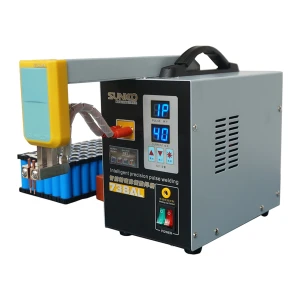
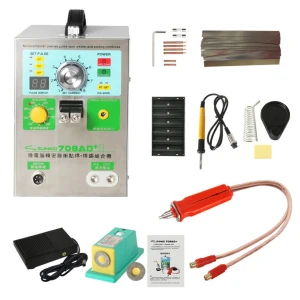
Saldatrice a punti Sunkko 709AD+ 220V con saldatore per batteria al litio 18650
250,11€
Ne restano solo 2 in magazzino
Articoli visualizzati di recente
 Batteria ricaricabile 18350 800mAh 3,7V Li-ion di alta qualità e durata
1,96€