


5,86€
Disponibile
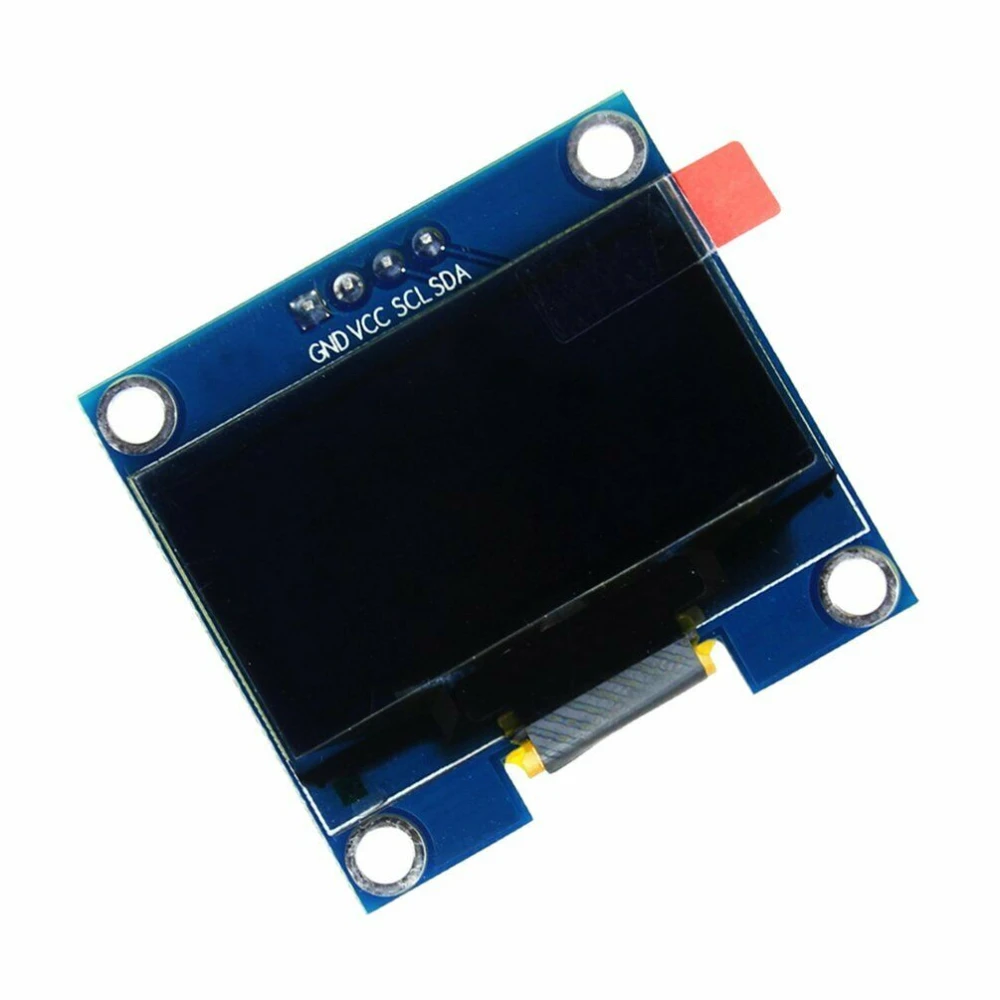
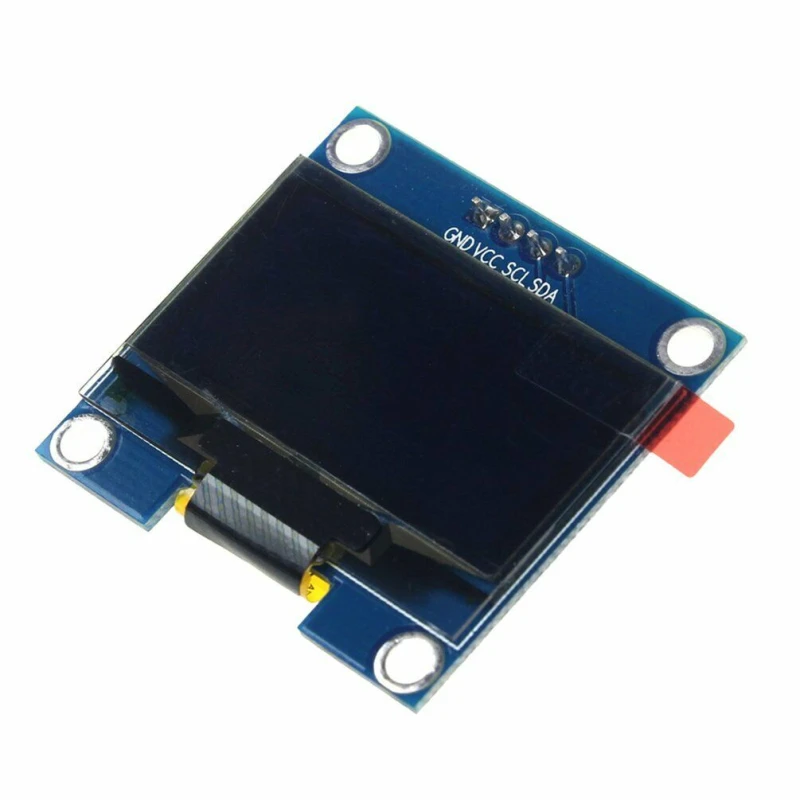
Display OLED 1.3 pollici Arduino SH1106 IIC 4 pin 128x64
Marchio: satkit
5,86€
IVA inclusa (IVA escl.: 4,80€)
Ne restano solo 4 in magazzino: ordina subito!
Consegna standard
Mer, Apr 22 - Ven, Apr 24
Consegna espressa
Lun, Apr 20 - Mar, Apr 21
Resi entro 30 giorni
Resi gratuiti entro 30 giorni
Transazione sicura






Share:
Consegna gratuita
Per ordini superiori a 300€
Resi facili
Politica di reso di 30 giorni
Pagamento sicuro
Checkout 100% sicuro
Garanzia di qualità
Solo prodotti originali
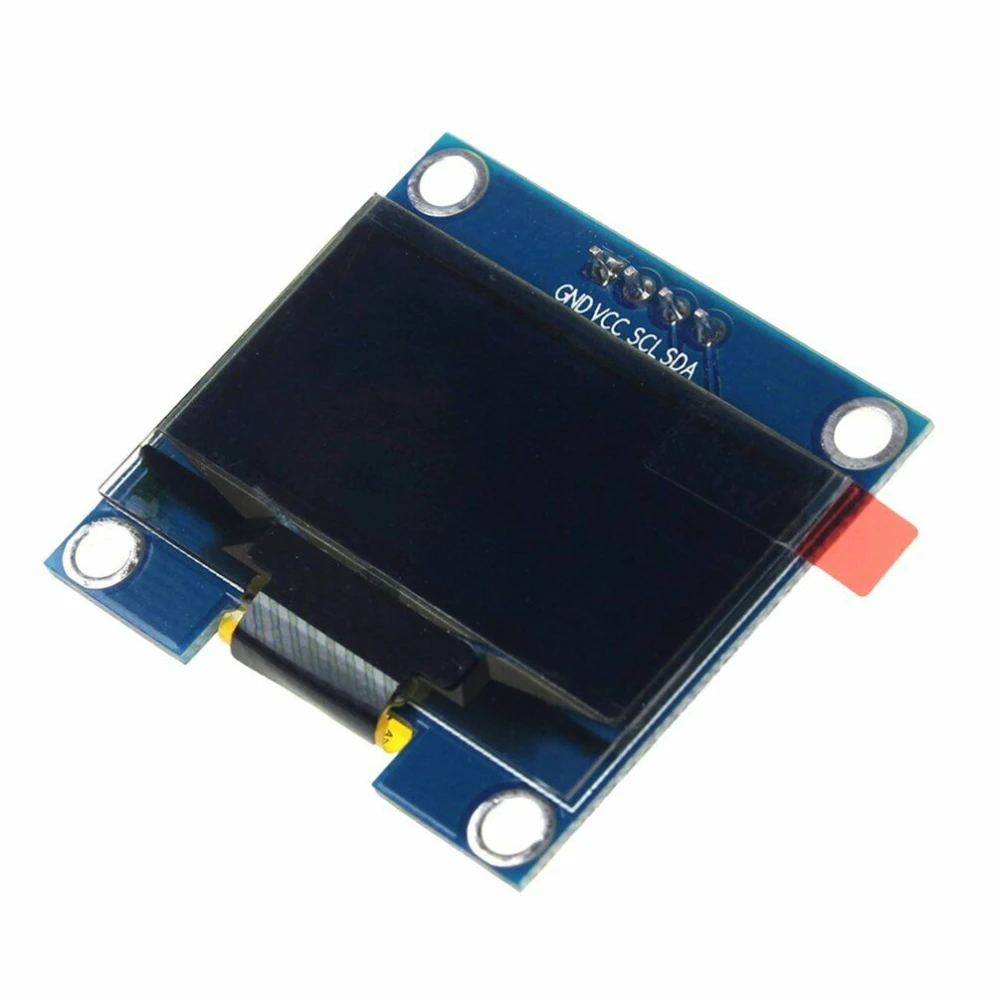
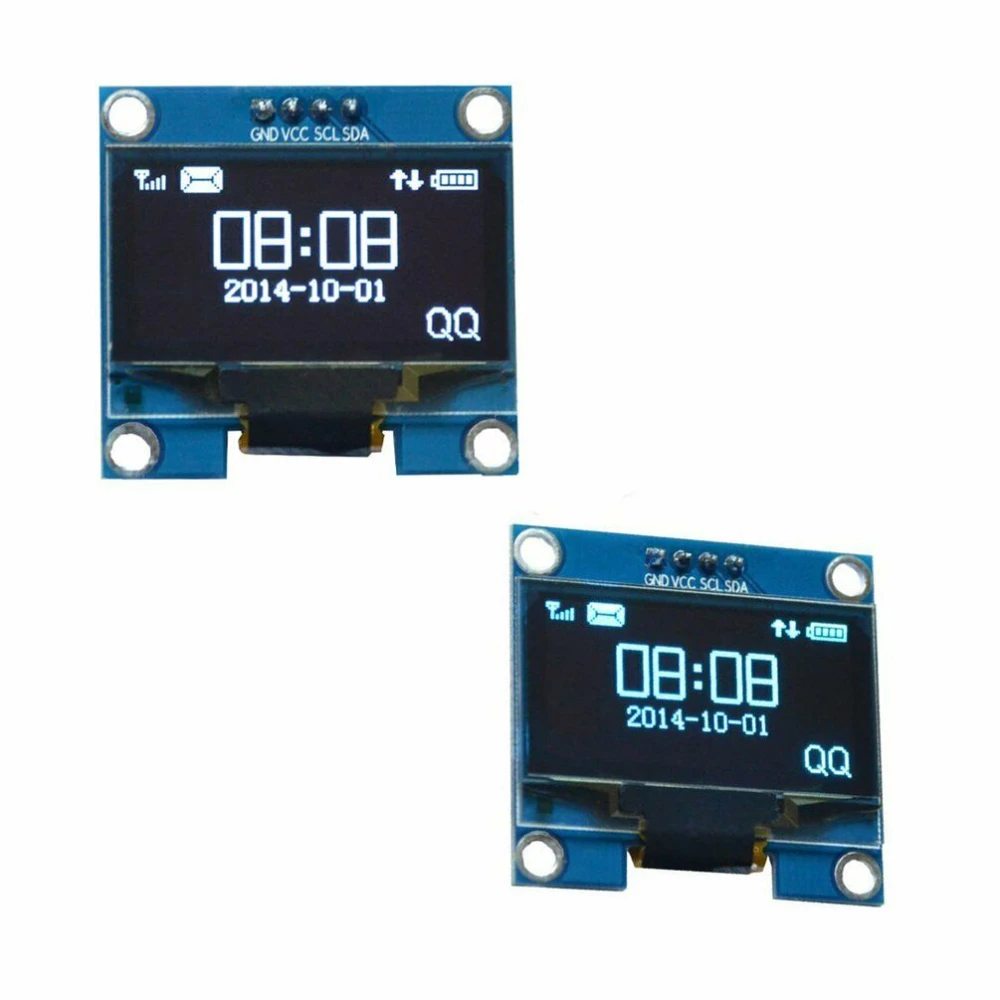
Il display OLED 1.3 pollici Arduino SH1106 IIC 4 pin 128x64 è un modulo display compatto ed efficiente progettato per progetti con Arduino che richiedono un'interfaccia visiva chiara e a basso consumo.
Caratteristiche principali:
- Dimensioni compatte: 1.3 pollici con area di visualizzazione di 29.42 x 14.7 mm, ideale per spazi ridotti.
- Alta risoluzione: 128 x 64 pixel che consentono di visualizzare grafica e testo con nitidezza.
- Chip di controllo SSH1106: garantisce una risposta rapida e compatibilità con i protocolli IIC.
- Interfaccia IIC a 4 pin: connessione semplice tramite pin GND, VCC, SCL e SDA, compatibili con la maggior parte delle schede Arduino.
- Luce autoemissiva: non necessita di retroilluminazione, offrendo alta luminosità e ampi angoli di visione.
- Basso consumo energetico: funziona con tensioni da 3.3 a 5V, ideale per progetti portatili ed efficienti.
- Ampio intervallo di temperatura: opera tra -40 e 70 °C, adatto a diverse condizioni ambientali.
- Pin reversibili VDD e GND: facilitano la connessione e riducono gli errori nel montaggio.
Usi tipici:
- Visualizzazione dei dati in progetti Arduino come sensori, orologi o sistemi di controllo.
- Interfacce grafiche per piccoli dispositivi elettronici.
- Progetti a basso consumo in cui l'efficienza energetica è fondamentale.
Compatibilità: Questo modulo è compatibile con la maggior parte delle schede Arduino che supportano la comunicazione IIC, facilitandone l'integrazione in progetti esistenti o nuovi sviluppi.
Specifiche tecniche:
- Dimensioni: 1.3 pollici
- Risoluzione: 128 x 64 pixel
- Chip di controllo: SSH1106
- Area di visualizzazione: 29.42 x 14.7 mm
- Tensione di funzionamento: 3.3-5V
- Temperatura di esercizio: -40 a 70 °C
- Interfaccia: IIC (4 pin: GND, VCC, SCL, SDA)
- Colore della luce: bianco
Contenuto della confezione:
- 1 x Modulo display OLED 1.3'' SH1106 IIC 128x64 per Arduino
- Display OLED da 1.3 pollici con risoluzione 128x64 per progetti Arduino
- Interfaccia IIC a 4 pin: GND, VCC, SCL e SDA per un collegamento semplice
- Chip SSH1106 per alta velocità e risposta rapida
- Luce autoemissiva bianca, non richiede retroilluminazione
- Basso consumo energetico, funziona tra 3.3 e 5V
- Ampio intervallo di temperatura di esercizio: -40 a 70 °C
- Pin VDD e GND reversibili per facilitare l'installazione
Domande e risposte dei clienti
Quins són els avantatges clau d’utilitzar una pantalla OLED SH1106 davant d’una LCD convencional en projectes amb Arduino?
La pantalla OLED SH1106 emet la seva pròpia llum (no requereix retroil·luminació), oferint un contrast més alt i un angle de visió ampli. A més, consumeix menys energia i respon més ràpid en comparació amb una LCD tradicional. En contrapartida, les pantalles OLED solen tenir una vida útil menor quan s’exposen a imatges estàtiques prolongades.
Quins problemes habituals poden sorgir en iniciar la pantalla i com es poden solucionar?
Els problemes més freqüents són manca d’imatge (per polaritat incorrecta a GND/VCC), adreces I2C no detectades o biblioteques incompatibles. Recomano verificar el cablejat, comprovar l’adreça I2C amb un escàner des d’Arduino i fer servir biblioteques específiques compatibles com 'U8g2'.
Quin rang de temperatures pot suportar sense fallades i afecta el rendiment en ambients extrems?
La pantalla opera entre -40 °C i +70 °C. Als extrems, poden aparèixer lleugers canvis en la brillantor o la velocitat de refresc, però dins del rang indicat el funcionament es manté estable sense degradació significativa en condicions normals.
What are the key advantages of using an SH1106 OLED display over a conventional LCD in Arduino projects?
The SH1106 OLED display emits its own light (no backlight required), offering higher contrast and a wider viewing angle. It also consumes less power and responds faster compared with a traditional LCD. On the downside, OLED displays usually have a shorter lifespan when exposed to prolonged static images.
What common problems can arise when starting up the display and how can they be solved?
The most common issues are no image (due to incorrect GND/VCC polarity), undetected I2C addresses, or incompatible libraries. I recommend checking the wiring, verifying the I2C address with an Arduino scanner, and using compatible specific libraries such as 'U8g2'.
What temperature range can it withstand without failure, and does performance change in extreme environments?
The display operates between -40 °C and +70 °C. At the extremes, slight changes in brightness or refresh speed may occur, but within the stated range operation remains stable without significant degradation under normal conditions.
What are the key advantages of using an SH1106 OLED display over a conventional LCD in Arduino projects?
The SH1106 OLED display emits its own light (no backlight required), offering higher contrast and a wide viewing angle. It also consumes less power and responds faster than a traditional LCD. On the downside, OLED displays usually have a shorter lifespan when exposed to prolonged static images.
What common issues can arise when starting up the display, and how can they be solved?
The most common issues are no image (due to incorrect GND/VCC polarity), undetected I2C addresses, or incompatible libraries. I recommend checking the wiring, verifying the I2C address with a scanner from Arduino, and using compatible specific libraries such as 'U8g2'.
What temperature range can it withstand without failure, and does performance change in extreme environments?
The display operates between -40 °C and +70 °C. At the extremes, slight changes in brightness or refresh speed may occur, but within the stated range the operation remains stable without significant degradation under normal conditions.
Vilka är de viktigaste fördelarna med att använda en OLED SH1106-skärm jämfört med en vanlig LCD i projekt med Arduino?
OLED SH1106-skärmen avger sitt eget ljus (ingen bakgrundsbelysning krävs), vilket ger högre kontrast och bred betraktningsvinkel. Dessutom förbrukar den mindre energi och reagerar snabbare jämfört med en traditionell LCD. Nackdelen är att OLED-skärmar ofta har kortare livslängd när de utsätts för statiska bilder under längre tid.
Scrivi una recensione cliente
I clienti che hanno acquistato questo articolo hanno acquistato anche
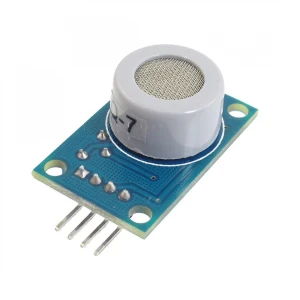
Sensore rilevatore di monossido di carbonio MQ7 compatibile Arduino
3,42€
Ne restano solo 9 in magazzino
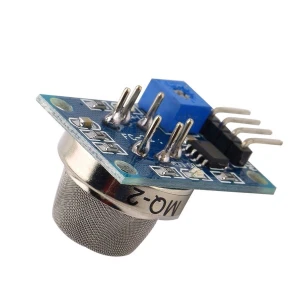
Sensore MQ-2 fumo e gas Arduino - modulo rilevatore compatibile
3,42€
Ne restano solo 6 in magazzino
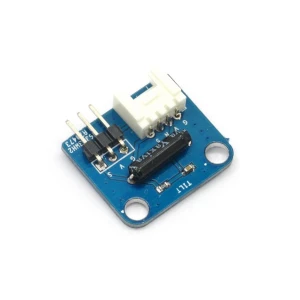
Sensore inclinazione Arduino - Interruttore 3PIN e alimentazione 5V
3,54€
Ne restano solo 10 in magazzino
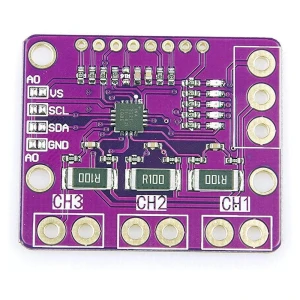
Sensore INA3221 Arduino per monitor di tensione e corrente a tre canali
6,10€
Ne restano solo 3 in magazzino
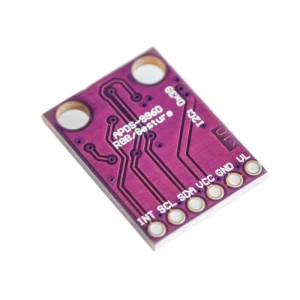
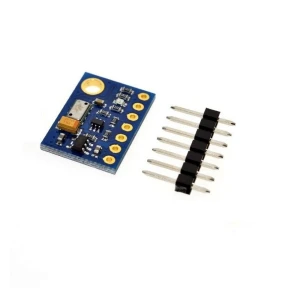
Sensore di pressione aria GY-63 MS5611-01BA03 barometro ad alta risoluzione per Arduino e Raspberry
7,93€
Ne restano solo 7 in magazzino
Articoli visualizzati di recente
Filtro fumi Aoyue SP200 486 compatibile per stazioni di saldatura
4,21€
Ne restano solo 1 in magazzino
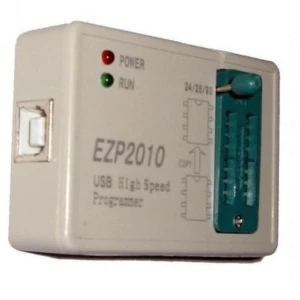
Programmatore EEPROM USB EZP2010 compatibile con Windows 64bit e chip SPI
24,41€
Ne restano solo 7 in magazzino
 Display OLED 1.3 pollici Arduino SH1106 IIC 4 pin 128x64
5,86€