

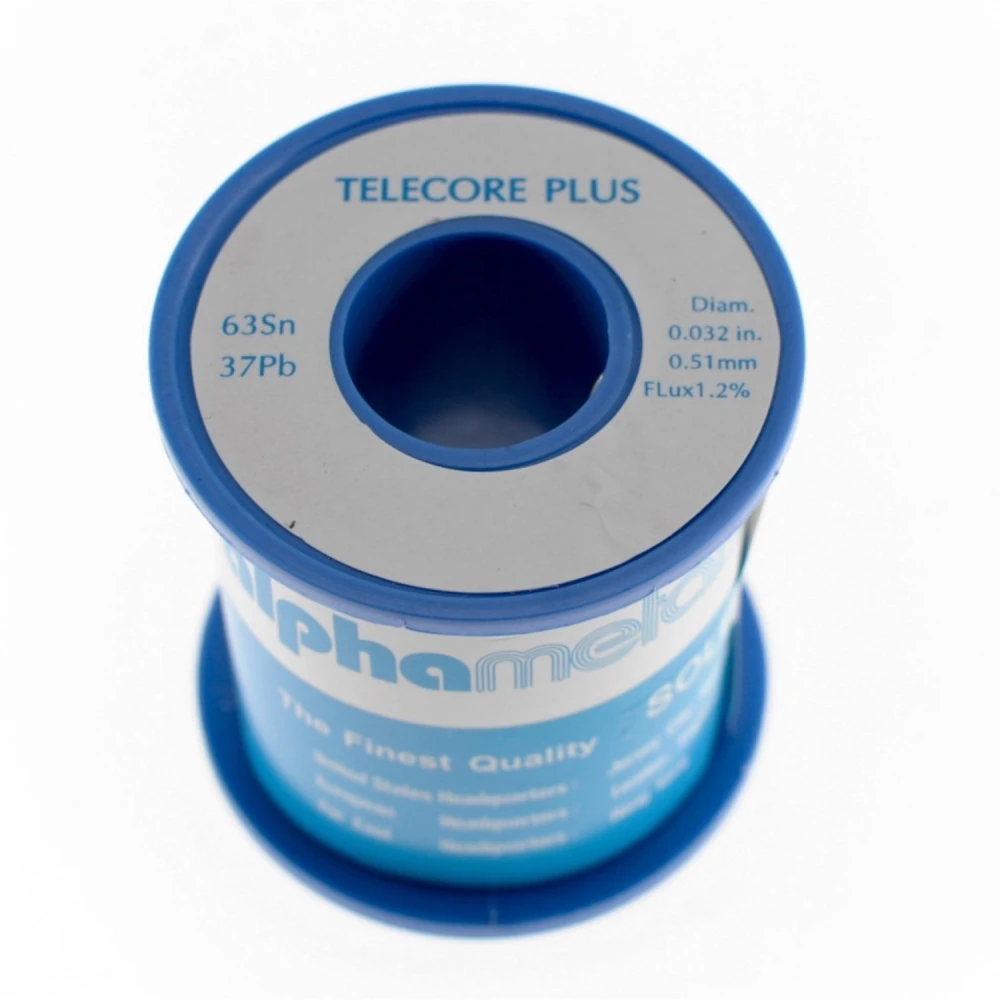
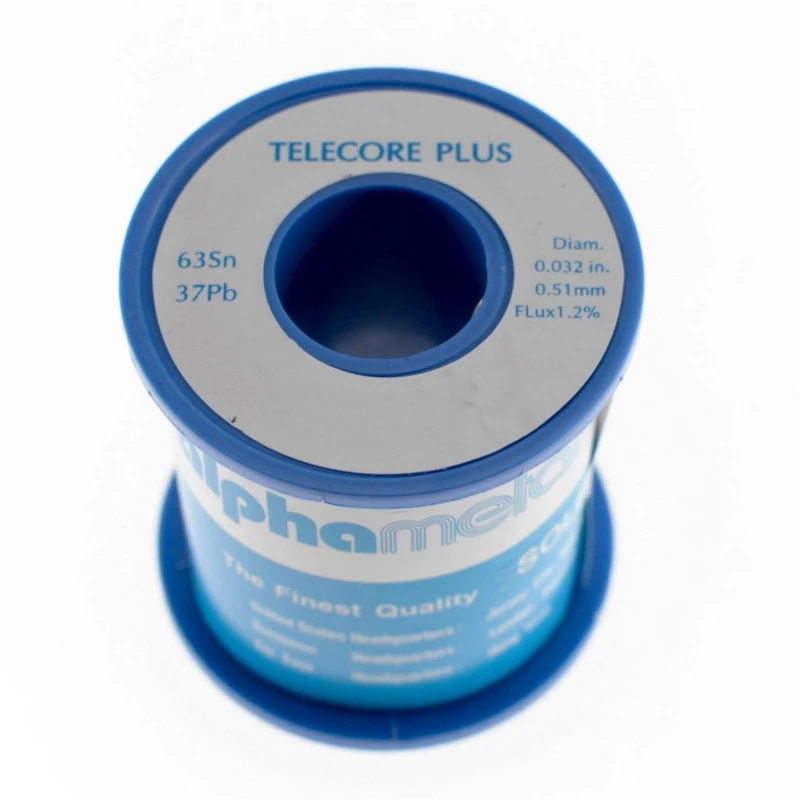
Bobina stagno 0,5 mm 400 gr per saldatura elettronica Alpha
Marchio: Alpha
IVA inclusa (IVA escl.: 12,01€)






La Bobina stagno 0,5 mm 400 gr del marchio Alpha è un prodotto progettato appositamente per lavori di saldatura elettronica di precisione. La sua composizione di 63% stagno e 37% piombo (63 Sn/37 Pb) garantisce un'eccellente fluidità e adesione, rendendola perfetta per riparazioni e assemblaggi elettronici.
Questo stagno per saldare elettronica ha un diametro di 0,5 mm, ideale per eseguire saldature precise su componenti elettronici piccoli e delicati. Inoltre, il peso di 400 grammi offre una quantità sufficiente per molteplici utilizzi senza compromettere la qualità del lavoro.
Il flux incorporato nella bobina è del 1,2%, il che facilita la pulizia e migliora la qualità della saldatura evitando l'ossidazione durante il processo. Questa caratteristica è essenziale per ottenere giunzioni durevoli e affidabili nei circuiti elettronici.
Caratteristiche principali
- Composizione: 63% stagno e 37% piombo (63 Sn/37 Pb)
- Diametro: 0,5 mm per saldatura fine
- Peso: 400 grammi
- Flux: 1,2% per migliore adesione e pulizia
- Marca: Alpha, riconosciuta in utensili e accessori per saldatura
Usi consigliati
- Saldatura di componenti elettronici su schede a circuito stampato (PCB)
- Riparazioni elettroniche che richiedono precisione e qualità
- Progetti di elettronica DIY e professionali
Compatibilità
Compatibile con stazioni di saldatura convenzionali e utensili per saldatura fine. Adatta per saldature in elettronica che richiedono una miscela tradizionale di stagno e piombo per prestazioni ottimali.
Nota sulla disponibilità
Attualmente questo prodotto è esaurito. Consigliamo di consultare altre opzioni di stagno per saldare nel nostro catalogo per non interrompere i vostri progetti.
- Composizione 63% stagno e 37% piombo per saldature di alta qualità
- Diametro fine di 0,5 mm ideale per lavori elettronici di precisione
- Peso di 400 grammi per molteplici utilizzi
- Flux del 1,2% che facilita la saldatura e previene l'ossidazione
- Marca Alpha, garanzia di qualità negli accessori per saldatura
Domande e risposte dei clienti
Quin és l’avantatge d’utilitzar un aliatge 63Sn/37Pb amb 1,2% de flux en electrònica davant d’altres composicions?
L’aliatge 63% estany i 37% plom és eutèctic, es fon a 183 °C i solidifica sense rang pastós, cosa que redueix riscos de juntes fredes en electrònica. L’1,2% de flux facilita l’eliminació d’òxids i millora l’adherència. Davant d’altres composicions, aquesta opció permet soldadures més ràpides i netes, però no és compatible amb la normativa RoHS.
Quin és el rendiment típic en metres de fil per bobina i en quin tipus de soldadors es recomana utilitzar-lo?
Una bobina de 400 g, amb diàmetre de 0,5 mm, conté aproximadament 216 metres de fil. És compatible amb la majoria de soldadors elèctrics estàndard tipus llapis o estació, amb potències de 15 a 60 W i puntes fines. Per sota de 15 W pot ser insuficient per fondre l’aliatge eficientment.
Com es compara aquesta bobina davant d’opcions sense plom en termes de facilitat d’ús i durabilitat de la soldadura?
Les soldadures amb 63Sn/37Pb solen ser més fàcils d’aplicar i flueixen millor que les sense plom (com les SnAgCu), permetent acabats brillants i menor fragilitat a llarg termini. Tanmateix, el plom és tòxic i està restringit en moltes regulacions; en contextos on RoHS és exigida, l’opció sense plom és obligatòria, encara que requereixi més temperatura i destresa.
What is the advantage of using a 63Sn/37Pb alloy with 1.2% flux in electronics compared with other compositions?
The 63% tin and 37% lead alloy is eutectic, melting at 183°C and solidifying without a plastic range, which reduces the risk of cold joints in electronics. The 1.2% flux helps remove oxides, improving wetting. Compared with other compositions, this option allows faster, cleaner soldering, but it is not RoHS compliant.
What is the typical wire length per spool, and what type of soldering irons is it recommended for?
A 400 g spool with a 0.5 mm diameter contains approximately 216 metres of wire. It is compatible with most standard electric pencil soldering irons or stations, with power ratings from 15 to 60 W and fine tips. Below 15 W may be insufficient to melt the alloy efficiently.
How does this spool compare with lead-free options in terms of ease of use and solder joint durability?
Solder joints made with 63Sn/37Pb are generally easier to apply and flow better than lead-free ones (such as SnAgCu), producing shiny finishes and less long-term brittleness. However, lead is toxic and restricted under many regulations; where RoHS compliance is required, the lead-free option is mandatory, although it demands higher temperatures and more skill.
What is the advantage of using a 63Sn/37Pb alloy with 1.2% flux in electronics compared with other compositions?
The 63% tin and 37% lead alloy is eutectic, melting at 183°C and solidifying without a pasty range, which reduces the risk of cold joints in electronics. The 1.2% flux helps remove oxides, improving wetting. Compared with other compositions, this option allows faster and cleaner soldering, but it is not compatible with RoHS regulations.
What is the typical wire length per spool, and what type of soldering irons is it recommended for?
A 400 g spool with a 0.5 mm diameter contains approximately 216 metres of wire. It is compatible with most standard pencil-type electric soldering irons or stations, with power ratings from 15 to 60 W and fine tips. Below 15 W may be insufficient to melt the alloy efficiently.
How does this spool compare with lead-free options in terms of ease of use and solder durability?
Soldering with 63Sn/37Pb is generally easier to apply and flows better than lead-free solder (such as SnAgCu), producing shiny finishes and less long-term brittleness. However, lead is toxic and restricted by many regulations; where RoHS compliance is required, lead-free solder is mandatory, although it needs a higher temperature and more skill.
Vilken är fördelen med att använda en 63Sn/37Pb-legering med 1,2% flux inom elektronik jämfört med andra sammansättningar?
Legeringen med 63% tenn och 37% bly är eutektisk och smälter vid 183°C, vilket gör att den stelnar utan pastigt intervall och minskar risken för kalla lödningar inom elektronik. 1,2% flux underlättar borttagning av oxider och förbättrar vidhäftningen. Jämfört med andra sammansättningar ger detta snabbare och renare lödningar, men den är inte kompatibel med RoHS-reglering.
Scrivi una recensione cliente
I clienti che hanno acquistato questo articolo hanno acquistato anche
Vernice d'argento conduttiva Mechanic MCN-DJ002 per riparazione piste (1ML)
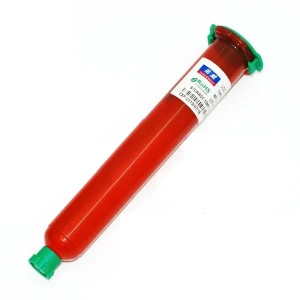
Tubo 50gr colla UV LOCA TP-2500F per riparazione professionale schermi LCD
Articoli visualizzati di recente
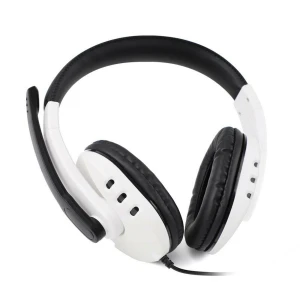
Auricolari Dobe TY-0820 compatibili con PS5, PS4, Switch e PC con microfono