


7,32€
Disponibile
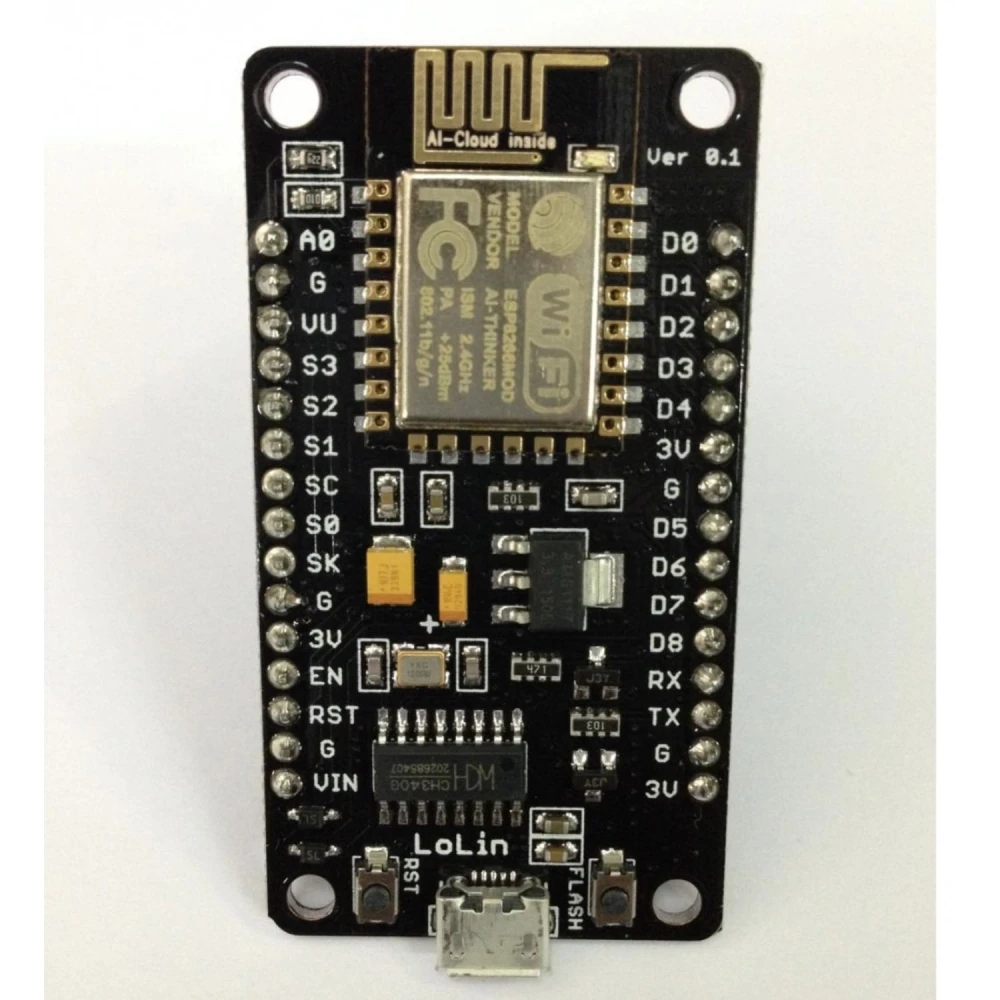
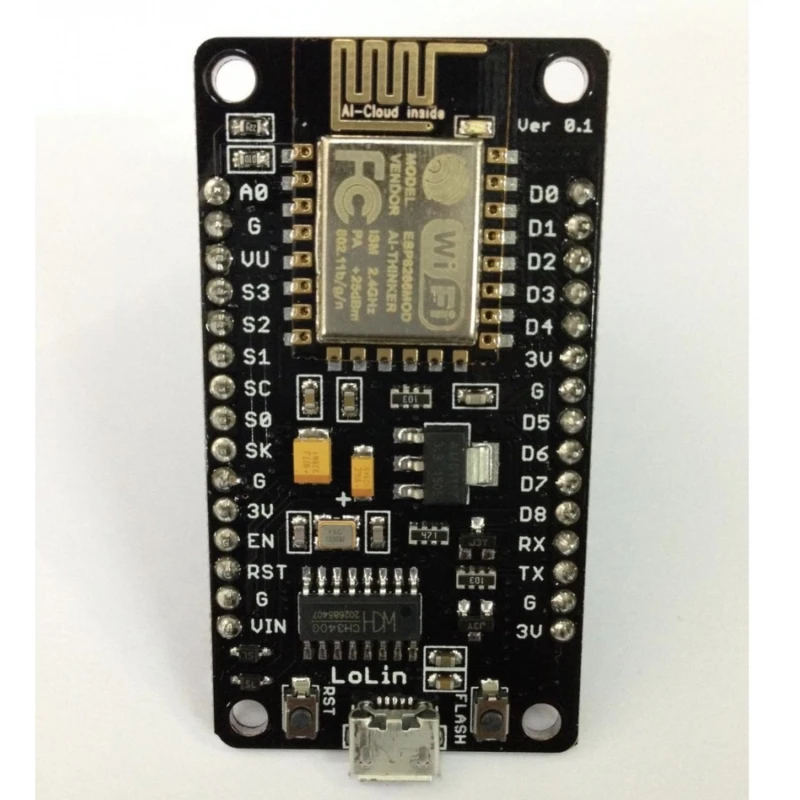
NodeMCU ESP8266 - Scheda di sviluppo WiFi basata su ESP8266 per IoT
Marchio: satkit
7,32€
IVA inclusa (IVA escl.: 6,00€)
Scorte limitate
Consegna standard
Mer, Apr 22 - Ven, Apr 24
Consegna espressa
Lun, Apr 20 - Mar, Apr 21
Resi entro 30 giorni
Resi gratuiti entro 30 giorni
Transazione sicura






Share:
Consegna gratuita
Per ordini superiori a 300€
Resi facili
Politica di reso di 30 giorni
Pagamento sicuro
Checkout 100% sicuro
Garanzia di qualità
Solo prodotti originali
Il NodeMCU ESP8266 è un kit di sviluppo basato sul controller ESP8266-12E che consente a sviluppatori e appassionati di Internet of Things (IoT) di creare dispositivi connessi in modo semplice ed economico. Questa scheda integra un microcontrollore a basso consumo con connettività WiFi, offrendo una soluzione completa per progetti che richiedono comunicazione wireless.
Grazie al suo design compatto e all'interfaccia USB-Serial, il NodeMCU ESP8266 facilita la programmazione e la connessione con altri dispositivi senza la necessità di componenti aggiuntivi. Dispone di un ampio numero di pin GPIO che consentono di collegare sensori, attuatori e altri moduli elettronici per ampliare le sue funzionalità.
Caratteristiche principali:
- Protocollo WiFi 802.11 b/g/n compatibile con Wi-Fi Direct (P2P) e soft-AP.
- Stack TCP/IP integrato per facilitare la comunicazione in rete.
- Componenti integrati: TR switch, balun, LNA, amplificatore di potenza, PLL, regolatori e unità di gestione dell'energia.
- Potenza di uscita di +19.5dBm in modalità 802.11b.
- Sensore di temperatura integrato per il monitoraggio interno.
- Basso consumo energetico con corrente di dispersione inferiore a 10uA.
- Tempo di attivazione e trasmissione dei pacchetti inferiore a 2 ms.
- Interfacce di comunicazione: SDIO 2.0, SPI e UART.
- CPU a 32 bit a basso consumo che può essere utilizzata come processore applicativo.
Usi tipici:
- Sviluppo di dispositivi IoT per domotica, sensori ambientali e automazione.
- Progetti che richiedono connettività WiFi integrata e controllo remoto.
- Applicazioni didattiche e prototipazione rapida grazie alla compatibilità con Lua e SDK open source.
Compatibilità e software:
Il NodeMCU ESP8266 dispone di un'ampia comunità di sviluppatori e di documentazione disponibile su GitHub NodeMCU. Il software si basa su Lua, facilitando la programmazione per utenti con diversi livelli di esperienza.
Per la connessione USB, si consiglia di installare il driver ufficiale disponibile sul sito ufficiale CH341. Inoltre, è disponibile una guida dettagliata per l'installazione del driver su Instructables.
Questo prodotto è ideale per chi cerca una scheda di sviluppo WiFi ESP8266 con caratteristiche avanzate, supporto della community e facilità d'uso per progetti IoT e di automazione.
- Basata sul modulo ESP8266-12E con microcontrollore integrato
- Connettività WiFi 802.11 b/g/n con supporto Wi-Fi Direct e soft-AP
- Ampio numero di pin GPIO per collegare sensori e attuatori
- Interfaccia USB-Serial per programmazione e comunicazione semplici
- Basso consumo energetico con corrente di dispersione < 10uA
- Potenza di uscita di +19.5dBm in modalità 802.11b
- Sensore di temperatura integrato per il monitoraggio
- Compatibile con SDK open source e linguaggio Lua
- Supporta le interfacce SDIO 2.0, SPI e UART
- Ampia community e documentazione disponibile su GitHub
Domande e risposte dei clienti
Quins són els principals avantatges del NodeMCU ESP8266-12E en comparació amb altres mòduls WiFi similars?
El NodeMCU ESP8266-12E destaca per integrar un microcontrolador de 32 bits, connectivitat WiFi 802.11 b/g/n i una comunitat de suport molt sòlida. A diferència de mòduls bàsics com l’ESP-01, el NodeMCU afegeix interfície USB-Serial i una major quantitat de pins GPIO (fins a 11 utilitzables), cosa que facilita el desenvolupament. Tanmateix, la seva mida és una mica més gran i el consum, tot i ser baix, supera mòduls exclusivament WiFi com el CC3000.
Quin és el corrent màxim que pot subministrar pels pins GPIO sense risc de dany?
Cada pin GPIO pot lliurar fins a 12 mA de manera segura. El corrent total de tots els pins junts no ha de superar els 70 mA. Superar aquests límits pot degradar el microcontrolador o reduir-ne la vida útil.
Quines mesures de protecció inclou davant pics de voltatge, i compleix alguna norma de seguretat?
El NodeMCU no integra protecció activa contra sobretensions a les línies GPIO ni al microUSB. No està certificat sota normes com CE/FCC per si mateix; per a aplicacions crítiques es recomana muntar proteccions externes i revisar la normativa aplicable a cada país.
What are the main advantages of the NodeMCU ESP8266-12E compared with other similar WiFi modules?
The NodeMCU ESP8266-12E stands out by integrating a 32-bit microcontroller, 802.11 b/g/n WiFi connectivity and a strong support community. Unlike basic modules such as the ESP-01, the NodeMCU adds a USB-to-Serial interface and a greater number of GPIO pins (up to 11 usable), making development easier. However, its size is somewhat larger and its power consumption, although low, is higher than WiFi-only modules such as the CC3000.
What is the maximum current it can supply through the GPIO pins without risk of damage?
Each GPIO pin can safely supply up to 12 mA. The total current across all pins should not exceed 70 mA. Exceeding these limits may damage the microcontroller or reduce its service life.
What protection measures does it include against voltage spikes, and does it comply with any safety standard?
The NodeMCU does not include active protection against surges on the GPIO lines or microUSB. It is not certified to standards such as CE/FCC in its own right; for critical applications, external protection is recommended and the applicable regulations for each country should be checked.
What are the main advantages of the NodeMCU ESP8266-12E compared with other similar WiFi modules?
The NodeMCU ESP8266-12E stands out for integrating a 32-bit microcontroller, 802.11 b/g/n WiFi connectivity and a strong support community. Unlike basic modules such as the ESP-01, the NodeMCU adds a USB-to-Serial interface and a larger number of GPIO pins (up to 11 usable), making development easier. However, its size is somewhat larger and its power consumption, although low, is higher than WiFi-only modules such as the CC3000.
What is the maximum current it can supply through the GPIO pins without risk of damage?
Each GPIO pin can safely deliver up to 12 mA. The total current across all pins together should not exceed 70 mA. Exceeding these limits may degrade the microcontroller or reduce its service life.
What protection measures does it include against voltage spikes, and does it comply with any safety standard?
The NodeMCU does not integrate active protection against surges on the GPIO lines or the microUSB. It is not certified under standards such as CE/FCC in its own right; for critical applications, external protection should be fitted and the applicable regulations for each country checked.
Vilka är de främsta fördelarna med NodeMCU ESP8266-12E jämfört med andra liknande WiFi-moduler?
NodeMCU ESP8266-12E utmärker sig genom att integrera en 32-bitars mikrokontroller, WiFi 802.11 b/g/n och en stark supportcommunity. Till skillnad från enklare moduler som ESP-01 lägger NodeMCU till USB-Serial-gränssnitt och fler GPIO-pinnar (upp till 11 användbara), vilket förenklar utveckling. Däremot är den något större och förbrukar, även om den är låg, mer än enbart WiFi-moduler som CC3000.
Scrivi una recensione cliente
I clienti che hanno acquistato questo articolo hanno acquistato anche
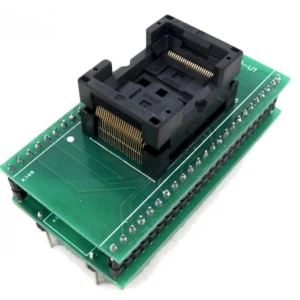
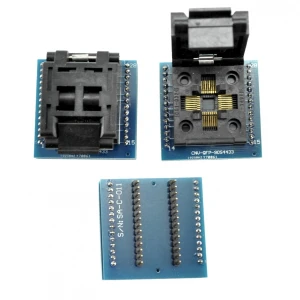
Zoccolo programmatore TQFP32 a DIP28 con facile inserimento compatibile satkit
26,84€
Ne restano solo 5 in magazzino
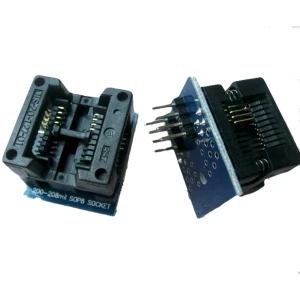
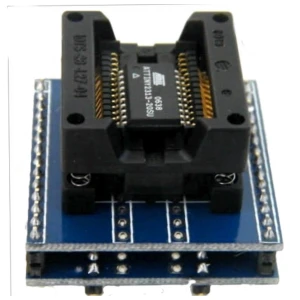
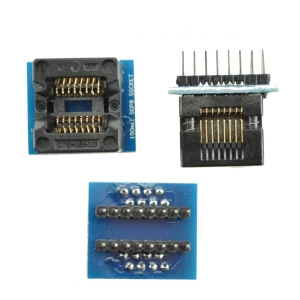
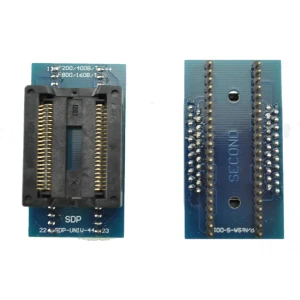
Zoccolo programmatore PSOP44 a DIP44 con facile inserimento per 44 pin
14,64€
Ne restano solo 7 in magazzino
Articoli visualizzati di recente
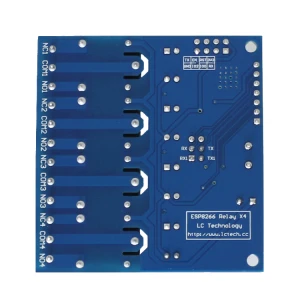
Modulo relè WiFi 4 canali ESP8266 per controllo remoto smart home
8,54€
Ne restano solo 10 in magazzino


 NodeMCU ESP8266 - Scheda di sviluppo WiFi basata su ESP8266 per IoT
7,32€