


2,68€
Disponibile
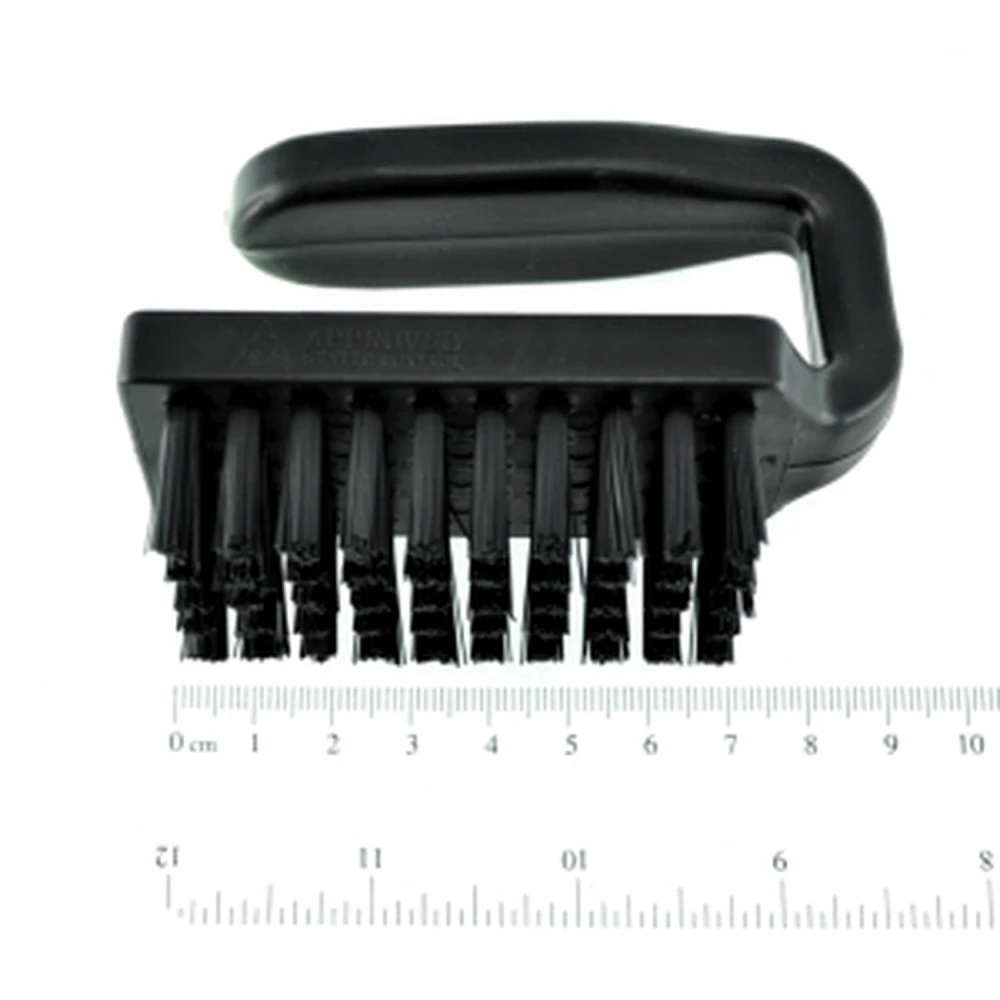


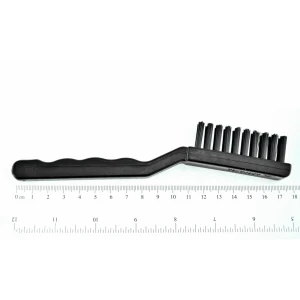
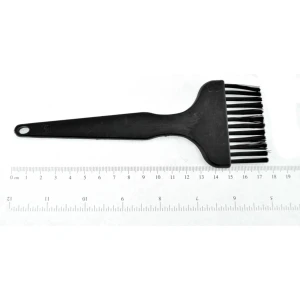
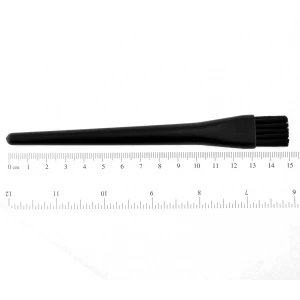
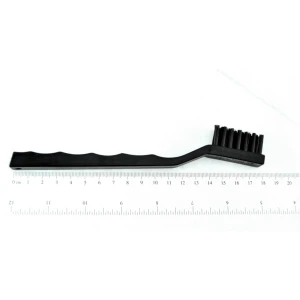
Spazzola antistatica grande per reballing tipo-9 per pulizia professionale PCB
Marchio: Mlink
2,68€
IVA inclusa (IVA escl.: 2,20€)
Disponibile - Spedizione immediata
Consegna standard
Mer, Apr 22 - Ven, Apr 24
Consegna espressa
Lun, Apr 20 - Mar, Apr 21
Resi entro 30 giorni
Resi gratuiti entro 30 giorni
Transazione sicura






Share:
Consegna gratuita
Per ordini superiori a 300€
Resi facili
Politica di reso di 30 giorni
Pagamento sicuro
Checkout 100% sicuro
Garanzia di qualità
Solo prodotti originali
La spazzola antistatica grande per reballing tipo-9 è uno strumento essenziale per tecnici e professionisti che lavorano nella pulizia e manutenzione di schede a circuito stampato (PCB) durante i processi di reballing. Il suo design è studiato appositamente per evitare l'accumulo di elettricità statica, proteggendo così i delicati componenti elettronici durante la pulizia.
Questa spazzola è dotata di un trattamento antistatico che riduce al minimo il rischio di scariche elettrostatiche che potrebbero danneggiare le superfici o i componenti elettronici sensibili. È ideale per pulire le aree in cui verranno successivamente posizionate le sfere di saldatura, garantendo una superficie pulita e priva di residui.
- Longitud total: 90 mm
- Longitud de las cerdas: 18 mm
- Ancho de las cerdas: 65 x 30 mm
- Tratamiento antiestático: Sí, para evitar electricidad estática
- Uso principal: Limpieza de PCB en procesos de reballing
Questa spazzola è compatibile con diverse stazioni di saldatura e attrezzature per reballing, soprattutto nelle applicazioni in cui è necessaria una pulizia accurata per garantire la corretta adesione delle sfere di saldatura. Le sue dimensioni grandi facilitano una pulizia efficiente di aree ampie della scheda.
Inoltre, la spazzola antistatica tipo-9 del marchio Mlink è un accessorio affidabile per laboratori di riparazione elettronica, manutenzione di console, automotive e altri settori che richiedono precisione e cura nella manipolazione dei componenti elettronici.
Con questa spazzola, i professionisti possono eseguire operazioni di pulizia in modo sicuro ed efficiente, evitando danni dovuti all'elettricità statica e assicurando la qualità nei processi di reballing e saldatura.
- Trattamento antistatico per evitare scariche elettrostatiche
- Lunghezza totale di 90 mm per una presa comoda
- Setole da 18 mm di lunghezza e 65x30 mm di larghezza per una pulizia efficace
- Ideale per la pulizia delle PCB nei processi di reballing
- Compatibile con stazioni di saldatura e attrezzature per reballing tipo 9
Domande e risposte dei clienti
Quins avantatges té el tractament antiestàtic del raspall en comparació amb un raspall convencional en netejar PCBs durant el reballing?
El tractament antiestàtic redueix significativament el risc d'acumulació i descàrrega d'electricitat estàtica, que podria danyar components electrònics sensibles durant la neteja de PCB, especialment abans del reballing. Un raspall convencional no ofereix aquesta protecció i pot presentar un risc per a la integritat dels circuits integrats.
Aquest raspall es pot fer servir amb solvents comuns o només es recomana per a ús en sec?
El raspall es pot utilitzar tant en sec com amb solvents compatibles amb fibres sintètiques, com l'alcohol isopropílic. Tanmateix, es recomana evitar solvents molt agressius que puguin danyar el tractament antiestàtic o degradar les cerres a llarg termini.
Quines són les recomanacions de manteniment per preservar les propietats antiestàtiques i assegurar una neteja eficient en cada ús?
Es recomana netejar les cerres després de cada ús amb aire comprimit o submergint-les breument en alcohol isopropílic i deixar-les assecar completament. Cal evitar el contacte prolongat amb agents químics forts i emmagatzemar-lo en un ambient sec, lluny de fonts de calor i pols, per preservar el tractament antiestàtic.
Quines diferències pràctiques hi ha entre aquest model Tipus-9 i altres raspalls antiestàtics per a reballing disponibles al mercat?
El model Tipus-9 destaca per la seva àrea útil més gran (65x30 mm), que permet netejar zones àmplies amb menys temps i esforç. En comparació amb models més petits o de cerres més fines, ofereix més capacitat d'arrossegament, tot i que pot ser menys adequat per a zones molt estretes o components densament disposats.
What advantages does the anti-static treatment of the brush have compared with a conventional brush when cleaning PCBs during reballing?
The anti-static treatment significantly reduces the risk of static electricity build-up and discharge, which could damage sensitive electronic components during PCB cleaning, especially before reballing. A conventional brush does not offer this protection and may pose a risk to the integrity of integrated circuits.
Can this brush be used with common solvents, or is it only recommended for dry use?
The brush can be used both dry and with solvents compatible with synthetic fibres, such as isopropyl alcohol. However, it is recommended to avoid very aggressive solvents that could damage the anti-static treatment or degrade the bristles over time.
What maintenance recommendations help preserve the anti-static properties and ensure efficient cleaning each time?
It is recommended to clean the bristles after each use with compressed air or by briefly soaking them in isopropyl alcohol and allowing them to dry completely. Avoid prolonged contact with strong chemical agents and store in a dry environment, away from heat and dust, to preserve the anti-static treatment.
What practical differences are there between this Type-9 model and other anti-static brushes for reballing available on the market?
The Type-9 model stands out for its larger working area (65x30 mm), allowing wide-area cleaning with less time and effort. Compared with smaller models or those with finer bristles, it offers greater sweeping capacity, although it may be less suitable for very narrow areas or densely packed components.
What advantages does the anti-static treatment of the brush offer compared with a conventional brush when cleaning PCBs during reballing?
The anti-static treatment significantly reduces the risk of static electricity build-up and discharge, which could damage sensitive electronic components during PCB cleaning, especially before reballing. A conventional brush does not offer this protection and may pose a risk to the integrity of integrated circuits.
Can this brush be used with common solvents, or is it only recommended for dry use?
The brush can be used both dry and with solvents compatible with synthetic fibres, such as isopropyl alcohol. However, it is recommended to avoid very aggressive solvents that could damage the anti-static treatment or degrade the bristles over time.
Scrivi una recensione cliente
I clienti che hanno acquistato questo articolo hanno acquistato anche


Articoli visualizzati di recente
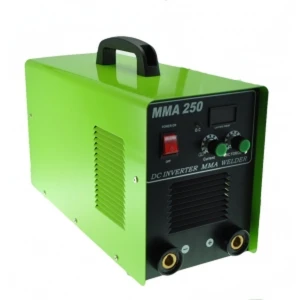
Saldatrice inverter MMA-250 DC ARC per saldatura professionale
219,60€
Ne restano solo 2 in magazzino
LCD Keypad Shield LCD1602 compatibile Arduino con display e pulsanti integrati
4,88€
Ne restano solo 10 in magazzino
 Spazzola antistatica grande per reballing tipo-9 per pulizia professionale PCB
2,68€