


12,19€
Disponibile
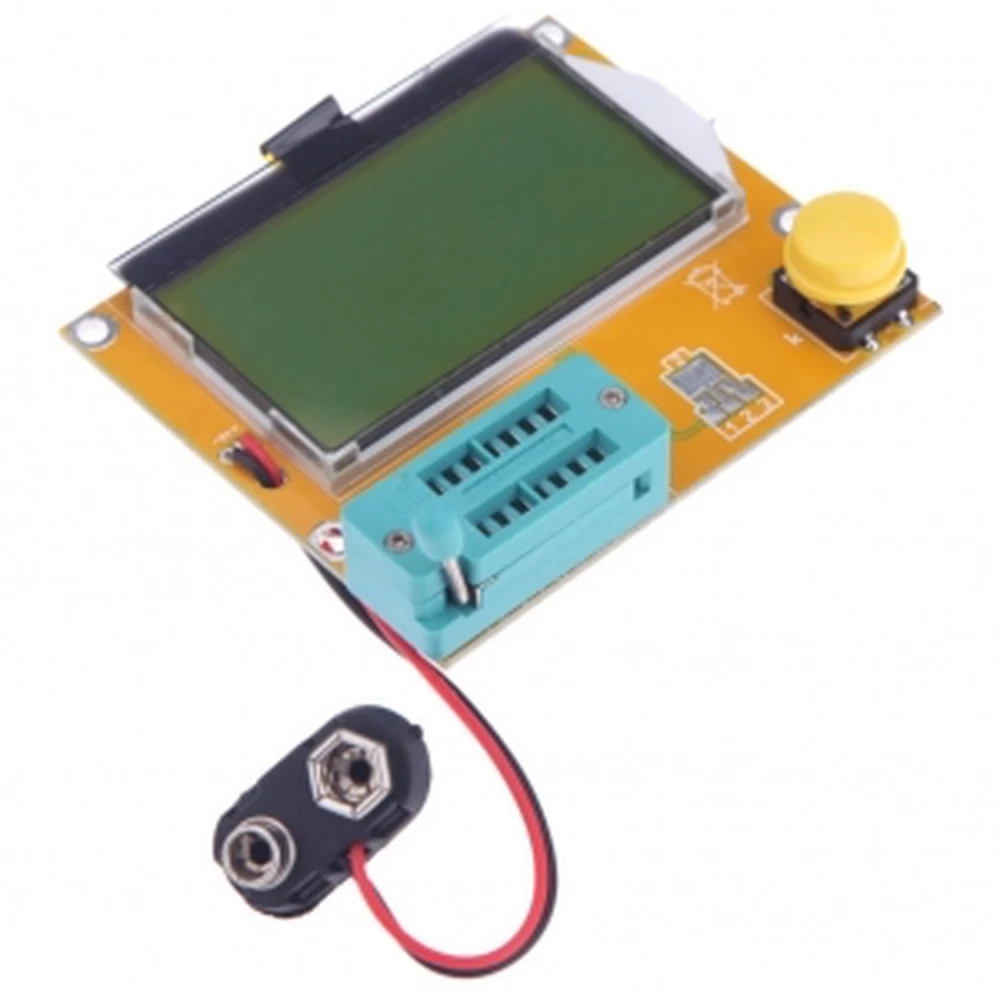
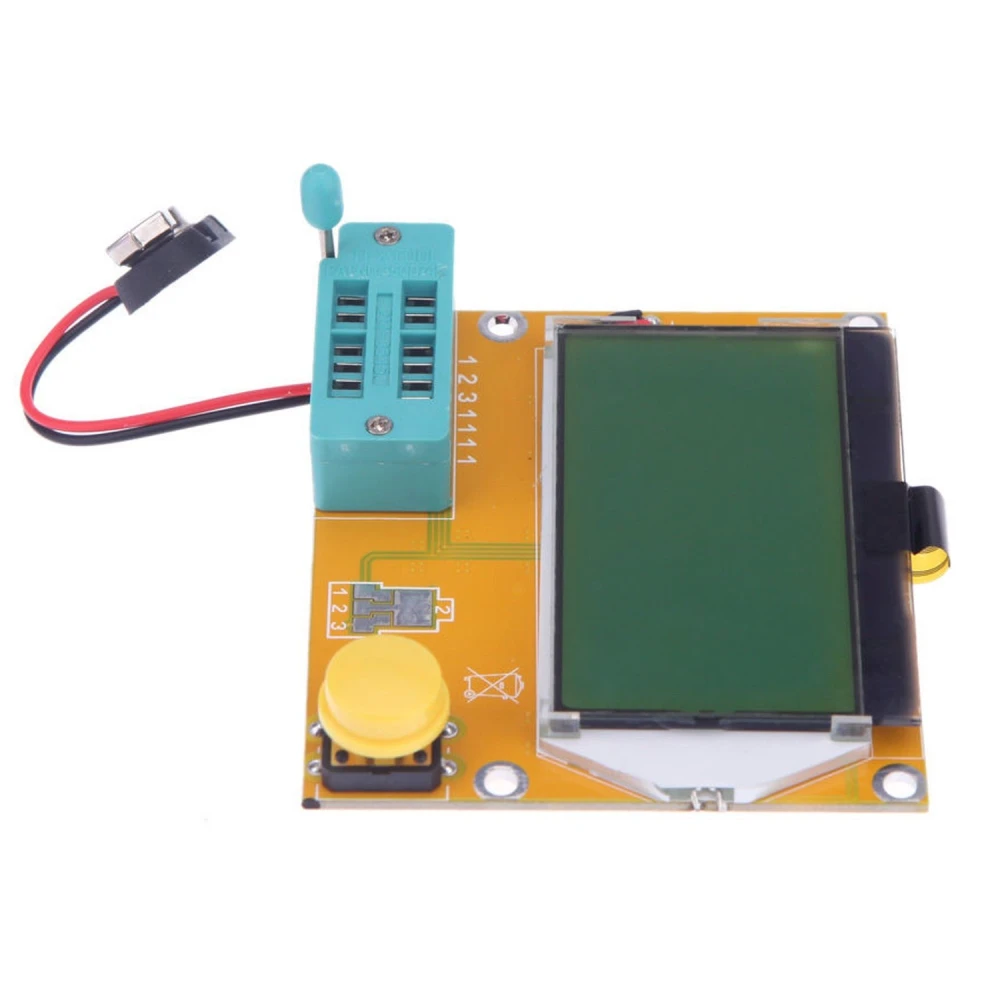
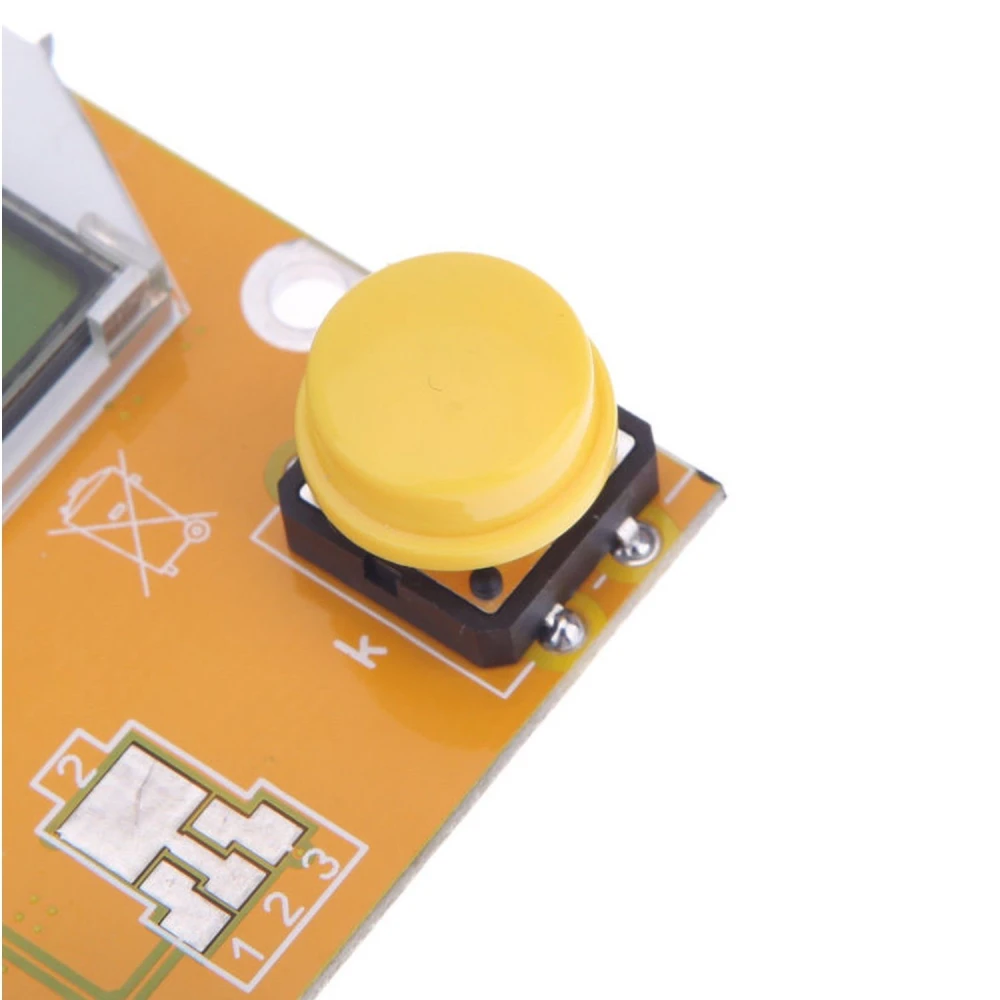
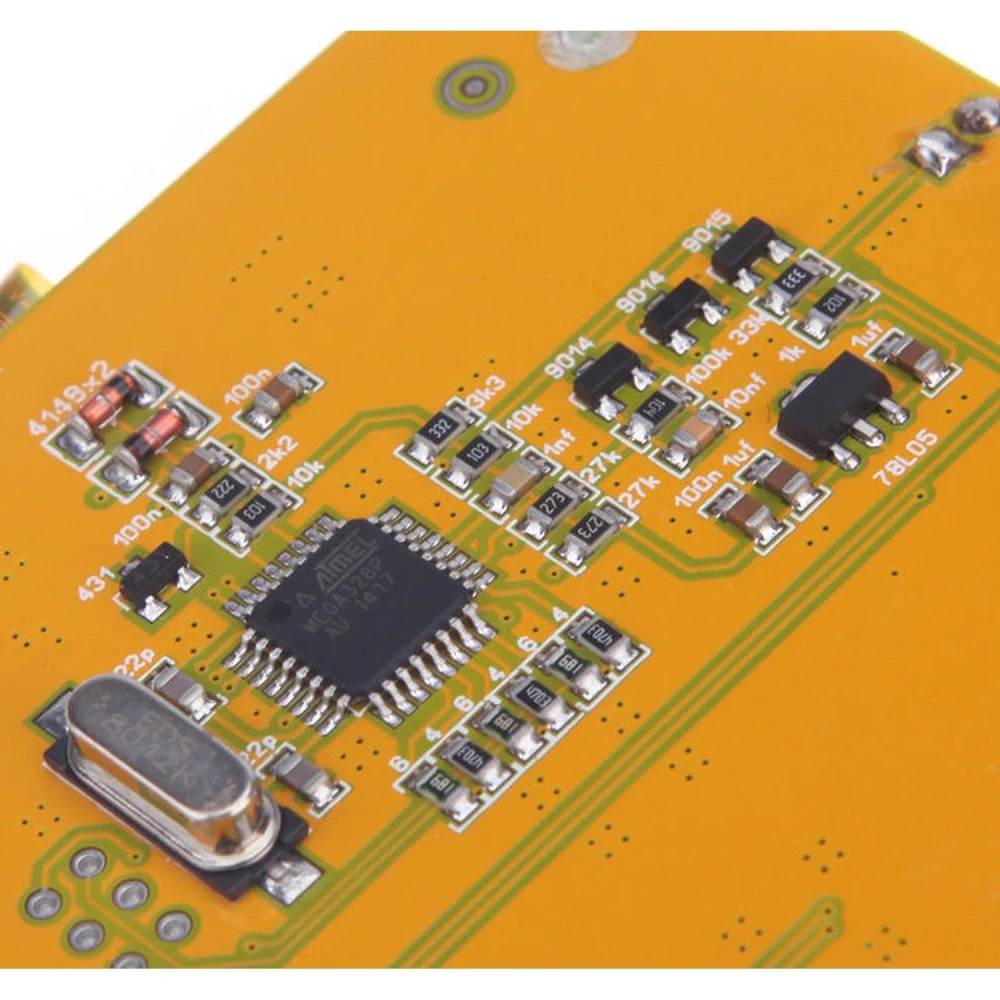
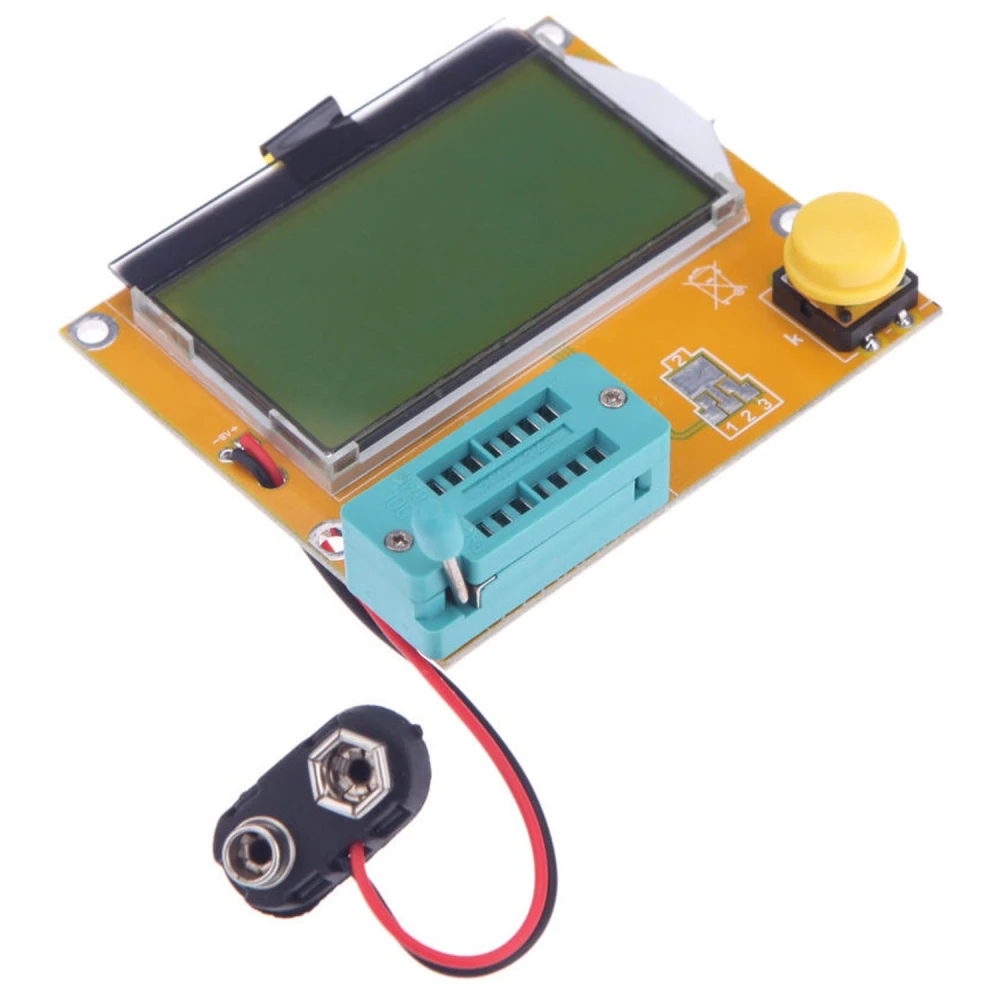
LCR-T4 Tester per transistor, condensatori, ESR, induttanza e resistenza
Marchio: satkit
12,19€
IVA inclusa (IVA escl.: 9,99€)
Scorte limitate
Consegna standard
Mer, Apr 22 - Ven, Apr 24
Consegna espressa
Lun, Apr 20 - Mar, Apr 21
Resi entro 30 giorni
Resi gratuiti entro 30 giorni
Transazione sicura






Share:
Consegna gratuita
Per ordini superiori a 300€
Resi facili
Politica di reso di 30 giorni
Pagamento sicuro
Checkout 100% sicuro
Garanzia di qualità
Solo prodotti originali
Il LCR-T4 Tester transistor condensatori ESR è uno strumento essenziale per tecnici e appassionati di elettronica che devono effettuare misurazioni precise e rapide di componenti elettronici. Questo dispositivo compatto e semplice da usare consente di identificare e misurare transistor bipolari (NPN, PNP), MOSFET (N-channel e P-channel), JFET, diodi, tiristori, condensatori, induttanze e resistenze con grande precisione.
Caratteristiche principali:
- Funzionamento con un solo pulsante e spegnimento automatico per risparmiare energia.
- Bassa corrente di spegnimento di 20nA, che garantisce misurazioni precise senza danneggiare i componenti.
- Rilevamento automatico di transistor bipolari, MOSFET, JFET, diodi, tiristori unidirezionali e bidirezionali.
- Identificazione automatica della disposizione dei pin dei componenti.
- Misurazione del fattore di amplificazione di corrente (hFE) e della tensione di soglia base-emettitore per transistor bipolari.
- Riconoscimento dei transistor Darlington tramite analisi della tensione e dell'amplificazione.
- Rilevamento dei diodi di protezione nei transistor MOS.
- Misurazione della tensione di soglia e della capacità del gate nei MOSFET.
- Misurazione simultanea di due resistenze con indicazione del simbolo e del numero di pin, ideale per i potenziometri.
- Alta risoluzione nella misurazione delle resistenze da 0.1 ohmios a 50M ohmios.
- Misurazione della capacità da 30pF a 100mF con risoluzione di 1pF.
- Misurazione simultanea della resistenza equivalente in serie (ESR) nei condensatori di oltre 2uF con risoluzione di 0.01 ohmios.
- Identificazione precisa di diodi, LED e diodi Zener con misurazione delle tensioni dirette e di rottura inversa.
- Misurazione della capacità inversa nei diodi e nei transistor bipolari collegati.
- Misurazione semplice dei ponti raddrizzatori con un solo collegamento.
Usi tipici:
Questo tester è ideale per tecnici elettronici, ingegneri e appassionati che devono verificare rapidamente lo stato e le caratteristiche dei componenti elettronici in circuiti, riparazioni e sviluppo di prototipi. La facilità d'uso e la precisione lo rendono perfetto per individuare guasti, verificare componenti nuovi o usati ed effettuare diagnosi su apparecchi elettronici.
Compatibilità:
Compatibile con un'ampia gamma di componenti elettronici comuni nell'elettronica analogica e digitale, inclusi transistor bipolari NPN e PNP, MOSFET, JFET, diodi, tiristori, resistenze, condensatori e componenti con ESR.
Con il LCR-T4 Tester, ottieni uno strumento affidabile e versatile per i tuoi progetti e riparazioni elettroniche.
- Funzionamento con un solo pulsante e spegnimento automatico per risparmiare energia
- Rileva automaticamente transistor NPN, PNP, MOSFET, JFET, diodi e tiristori
- Misurazione del fattore di amplificazione di corrente (hFE) e della tensione di soglia base-emettitore
- Misurazione simultanea di due resistenze e potenziometri con alta risoluzione
- Misurazione della capacità da 30pF a 100mF con risoluzione di 1pF
- Misurazione della resistenza equivalente in serie (ESR) nei condensatori di oltre 2uF
- Identificazione di diodi, LED e diodi Zener con misurazione delle tensioni dirette e inverse
- Misurazione della capacità inversa in diodi e transistor bipolari
- Misurazione facile dei ponti raddrizzatori con un solo collegamento
Domande e risposte dei clienti
Quines són les dimensions, el pes i els materials principals del tester? Què inclou la caixa?
El Lcr-T4 normalment mesura 70x90x28 mm i pesa al voltant de 70 g. El cos principal és de plàstic ABS amb pantalla LCD integrada. A la caixa normalment s'hi inclou el mòdul Lcr-T4, suport per a transistors i connectors o cables, però el contingut pot variar segons el proveïdor; es recomana revisar la llista exacta abans de comprar.
Quin tipus d'alimentació requereix i hi ha requisits per al seu funcionament correcte?
El tester funciona amb una pila estàndard de 9 V (tipus 6F22/PP3). El seu consum és baix (només 20 nA en espera), però la mesura fiable requereix que la bateria lliuri almenys 7 V. No és compatible amb fonts d'alimentació externes ni amb voltatges superiors, per evitar danys al circuit.
Quins són els errors o problemes freqüents en fer servir el Lcr-T4 i com es poden solucionar?
Els problemes habituals inclouen resultats erràtics per males connexions als pins, bateria baixa o components fora de rang. Per solucionar-ho, assegureu la neteja i fermesa en el contacte dels terminals, substituïu la bateria si la pantalla mostra inestabilitats i verifiqueu que el component a mesurar estigui dins del rang de l'aparell.
Quines diferències objectives té aquest tester respecte a un multímetre digital avançat convencional?
A diferència d'un multímetre digital, el Lcr-T4 identifica automàticament el component i la disposició dels pins, a més de mesurar paràmetres avançats com ESR, Vth de MOSFET i hFE de BJTs, sense necessitat de configurar rangs manualment. Tanmateix, no mesura voltatge/corrent en circuit i la seva exactitud és inferior a la d'un multímetre professional avançat.
What are the dimensions, weight and main materials of the tester? What is included in the box?
The Lcr-T4 typically measures 70 x 90 x 28 mm and weighs around 70 g. The main body is made of ABS plastic with an integrated LCD screen. The box usually includes the Lcr-T4 module, transistor socket, and connectors or cables, but the contents may vary by supplier; it is recommended to check the exact listing before buying.
What type of power supply does it require and are there any requirements for correct operation?
The tester works with a standard 9 V battery (6F22/PP3 type). Its consumption is low (only 20 nA in standby), but reliable measurement requires the battery to provide at least 7 V. It is not compatible with external power supplies or higher voltages, to avoid damage to the circuit.
What are the common errors or issues when using the Lcr-T4 and how can they be solved?
Common issues include erratic results due to poor contact on the pins, a low battery, or components outside the range. To solve this, ensure the terminals are clean and making firm contact, replace the battery if the display becomes unstable, and check that the component being measured is within the device's range.
What are the objective differences between this tester and a conventional advanced digital multimeter?
Unlike a digital multimeter, the Lcr-T4 automatically identifies the component and its pin arrangement, and also measures advanced parameters such as ESR, MOSFET Vth and BJT hFE, without needing manual range selection. However, it does not measure voltage/current in circuit and its accuracy is lower than that of an advanced professional multimeter.
What are the dimensions, weight and main materials of the tester? What is included in the box?
The Lcr-T4 typically measures 70 x 90 x 28 mm and weighs around 70 g. The main body is made of ABS plastic with an integrated LCD screen. The box usually includes the Lcr-T4 module, a transistor socket, and connectors or cables, but contents may vary by supplier; it is recommended to check the exact listing before buying.
What type of power supply does it require, and are there any requirements for correct operation?
The tester runs on a standard 9 V battery (6F22/PP3 type). Its power consumption is very low (only 20 nA in standby), but reliable measurement requires the battery to provide at least 7 V. It is not compatible with external power supplies or higher voltages, to avoid damage to the circuit.
Scrivi una recensione cliente
I clienti che hanno acquistato questo articolo hanno acquistato anche
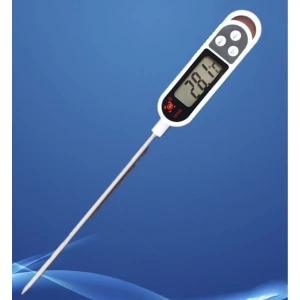
Termometro digitale cucina TP300 con display LCD range -50ºC a +300ºC
8,54€
Ne restano solo 3 in magazzino
Articoli visualizzati di recente
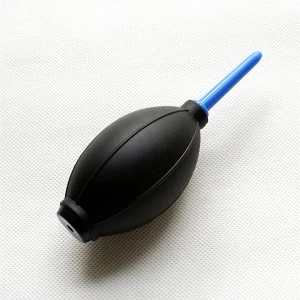
Manopola soffiatore nero blu per stazioni di saldatura elettronica
2,44€
Ne restano solo 10 in magazzino
 LCR-T4 Tester per transistor, condensatori, ESR, induttanza e resistenza
12,19€