


24,41€
Disponibile
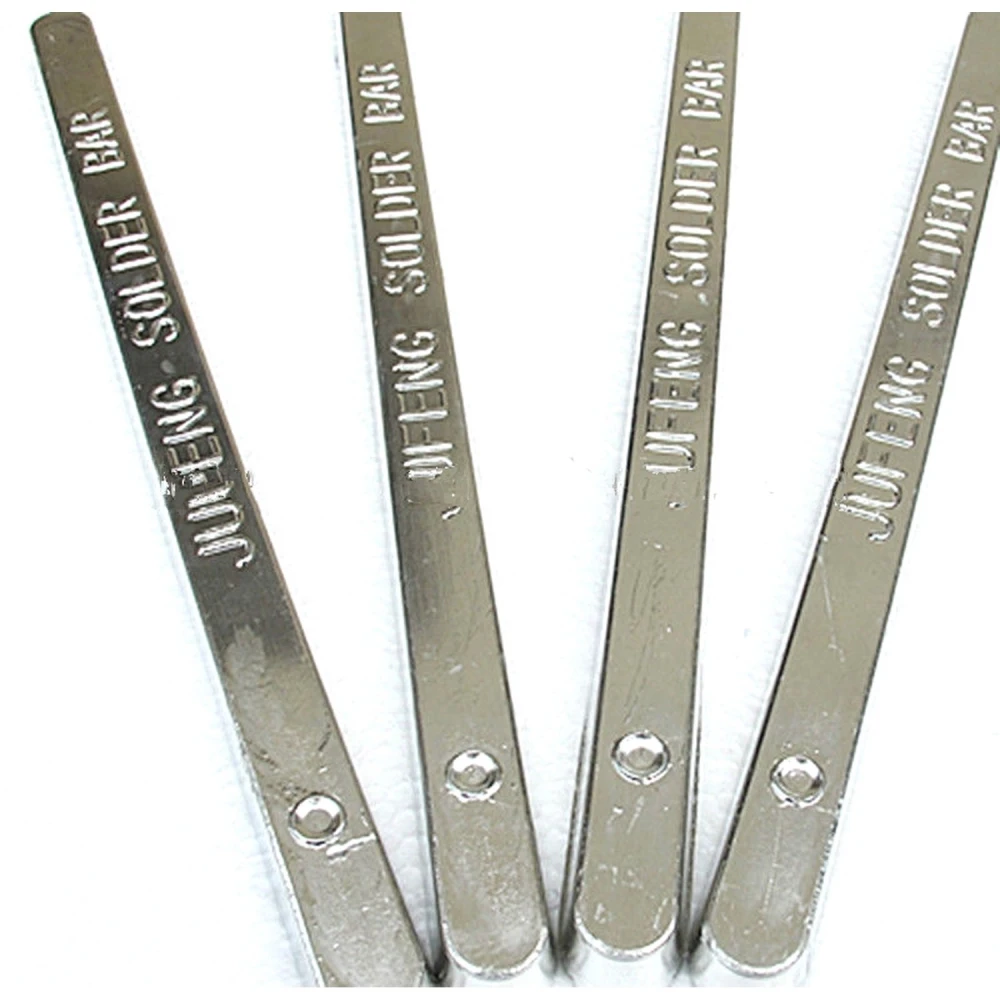
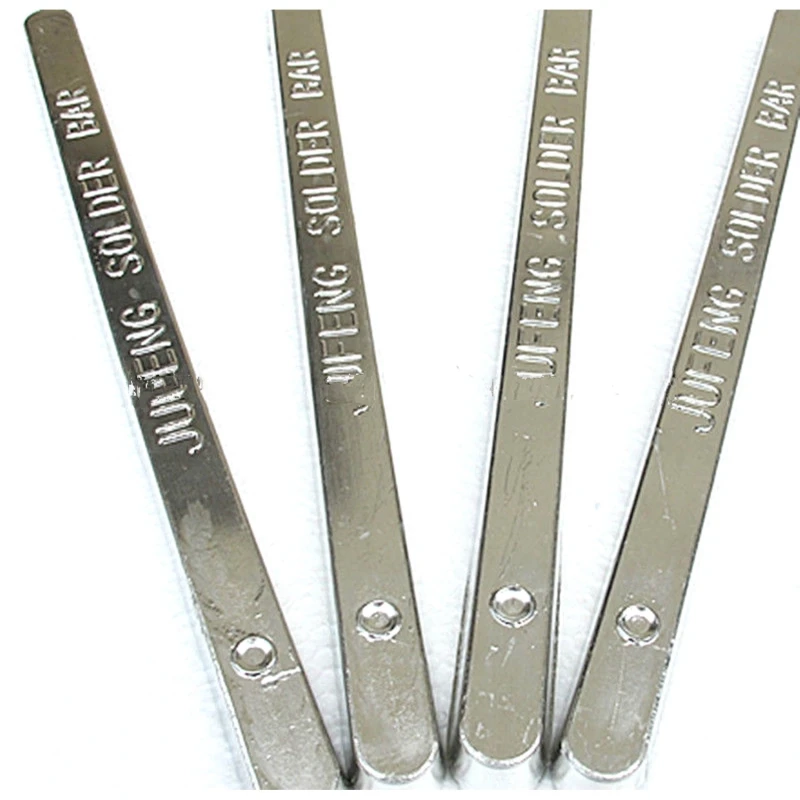
Barra di stagno con piombo 500 gr per saldatura professionale Mlink
Marchio: Mlink
24,41€
IVA inclusa (IVA escl.: 20,01€)
Disponibile - Spedizione immediata
Consegna standard
Mer, Apr 22 - Ven, Apr 24
Consegna espressa
Lun, Apr 20 - Mar, Apr 21
Resi entro 30 giorni
Resi gratuiti entro 30 giorni
Transazione sicura






Share:
Consegna gratuita
Per ordini superiori a 300€
Resi facili
Politica di reso di 30 giorni
Pagamento sicuro
Checkout 100% sicuro
Garanzia di qualità
Solo prodotti originali
Barra di stagno con piombo 500 gr del marchio Mlink, progettata per applicazioni di saldatura professionale e hobbistica. Questa barra è adatta all'uso in crogioli e solder pots, facilitando un lavoro efficiente e uniforme.
Caratteristiche principali:
- Composizione: 63% stagno (Sn) e 37% piombo (Pb), una miscela standard per saldatura con buona fluidità e adesione.
- Dimensioni approssimative: 29 cm di lunghezza, 2 cm di larghezza e 1 cm di spessore, per una presa comoda e pratica.
- Peso: 500 grammi, ideale per progetti di saldatura medi e grandi.
Usi tipici:
- Saldatura elettronica ed elettrica.
- Riparazione di componenti e circuiti.
- Applicazioni nel fai da te e nella manutenzione industriale.
Compatibilità: Compatibile con stazioni di saldatura e strumenti per saldare che utilizzano stagno con piombo. Perfetta per professionisti e appassionati che richiedono un materiale affidabile e di qualità.
Questa barra di stagno con piombo è un'ottima scelta per chi cerca un prodotto durevole ed efficiente per i propri lavori di saldatura. La sua composizione e le sue dimensioni assicurano risultati ottimali a ogni utilizzo.
- Composizione 63% stagno e 37% piombo per una saldatura efficiente
- Peso di 500 grammi ideale per molteplici applicazioni
- Dimensioni approssimative: 29cm x 2cm x 1cm per una facile maneggevolezza
- Compatibile con crogioli e solder pots
- Marchio Mlink riconosciuto negli strumenti per saldatura
Domande e risposte dei clienti
Quin és el principal avantatge de la barra d'estany 63/37 respecte a aliatges alternatius en soldadura electrònica?
L'aliatge 63% estany i 37% plom (eutèctic) té un punt de fusió baix (183 °C) i transiciona directament de sòlid a líquid, cosa que permet soldadures uniformes amb menys risc de soldadures fredes comparat amb altres proporcions com 60/40 o sense plom.
Quines consideracions de seguretat s'han de tenir en manipular aquesta barra d'estany amb plom?
El plom és tòxic; s'ha d'evitar la inhalació de vapors i el contacte prolongat amb la pell. Feu servir guants, ventilació adequada i renteu-vos les mans després. Compleix amb normatives generals, però no amb RoHS (restrictiva de plom).
Quines són les alternatives sense plom més utilitzades i com es compara el seu rendiment amb aquesta barra 63/37?
Els aliatges sense plom com Sn96.5/Ag3.0/Cu0.5 tenen punts de fusió més alts (~217 °C) i solen produir soldadures menys brillants i lleugerament menys dúctils. Aquesta barra 63/37 es prefereix per la facilitat d'ús i l'acabat, tot i que no és apta per a aplicacions RoHS.
What is the main advantage of 63/37 solder wire compared with alternative alloys in electronics soldering?
The 63% tin and 37% lead alloy (eutectic) has a low melting point (183 °C) and changes directly from solid to liquid, allowing consistent solder joints with a lower risk of cold joints compared with other ratios such as 60/40 or lead-free alloys.
What safety considerations should be taken when handling this leaded solder wire?
Lead is toxic; inhalation of fumes and prolonged skin contact should be avoided. Use gloves, ensure adequate ventilation and wash your hands afterwards. It complies with general regulations, but not with RoHS (lead-restricted) requirements.
What are the most common lead-free alternatives and how does their performance compare with this 63/37 wire?
Lead-free alloys such as Sn96.5/Ag3.0/Cu0.5 have higher melting points (~217 °C) and usually produce less shiny, slightly less ductile solder joints. This 63/37 wire is preferred for ease of use and finish, although it is not suitable for RoHS applications.
What is the main advantage of 63/37 solder wire compared with alternative alloys in electronics soldering?
The 63% tin and 37% lead alloy (eutectic) has a low melting point (183 °C) and changes directly from solid to liquid, allowing even solder joints with a lower risk of cold joints compared with other ratios such as 60/40 or lead-free alloys.
What safety considerations should be taken when handling this lead solder wire?
Lead is toxic; inhalation of fumes and prolonged skin contact should be avoided. Use gloves, ensure adequate ventilation and wash your hands afterwards. It complies with general regulations, but not with RoHS (lead-restrictive) requirements.
What are the most common lead-free alternatives and how does their performance compare with this 63/37 wire?
Lead-free alloys such as Sn96.5/Ag3.0/Cu0.5 have higher melting points (~217 °C) and usually produce less shiny and slightly less ductile joints. This 63/37 wire is preferred for ease of use and finish, although it is not suitable for RoHS applications.
Vad är den främsta fördelen med 63/37-tenn jämfört med alternativa legeringar vid elektronisk lödning?
Legeringen 63% tenn och 37% bly (eutektisk) har låg smältpunkt (183 °C) och övergår direkt från fast till flytande form, vilket möjliggör jämna lödningar med lägre risk för kalla lödningar jämfört med andra proportioner som 60/40 eller blyfria alternativ.
Scrivi una recensione cliente
I clienti che hanno acquistato questo articolo hanno acquistato anche
Vernice d'argento conduttiva Mechanic MCN-DJ002 per riparazione piste (1ML)
12,20€
Ne restano solo 9 in magazzino
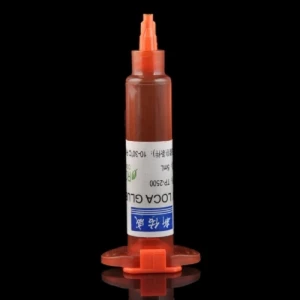
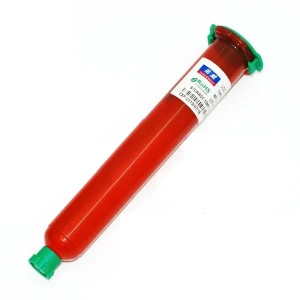
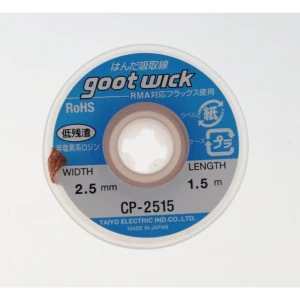
Tubo 50gr colla UV LOCA TP-2500F per riparazione professionale schermi LCD
10,98€
Ne restano solo 5 in magazzino
Articoli visualizzati di recente

 Barra di stagno con piombo 500 gr per saldatura professionale Mlink
24,41€