


2,68€
Disponibile
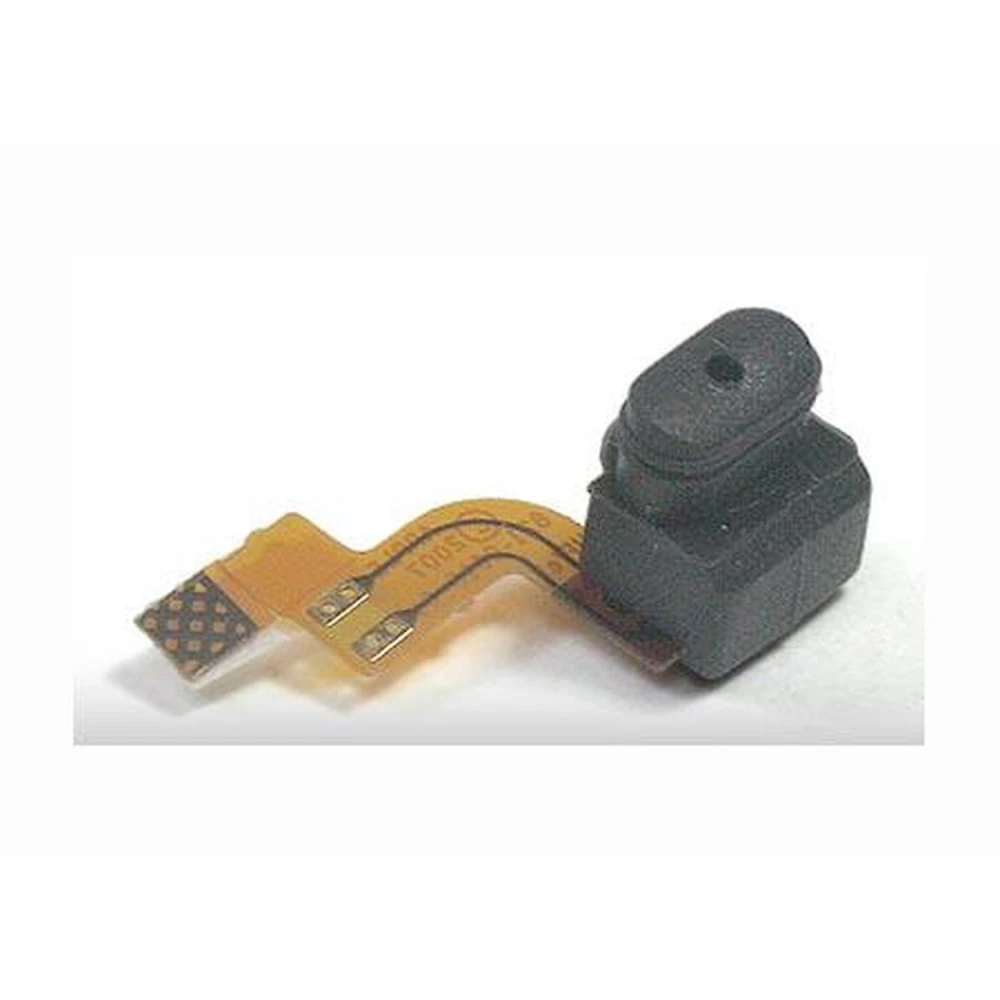
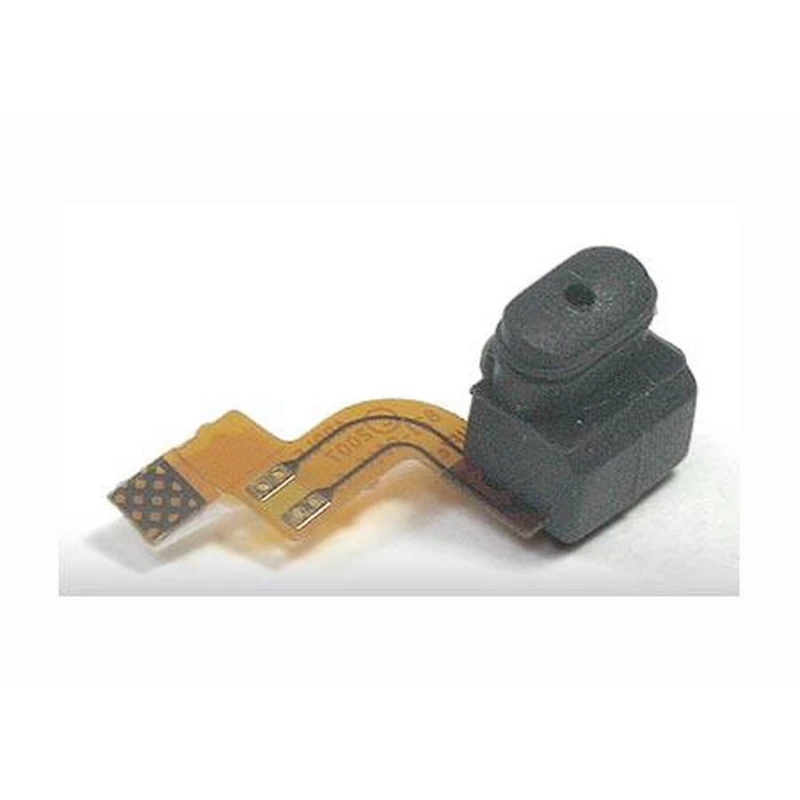
Microfono originale iPhone 3G 100% nuovo per riparazione e ricambio
Marchio: satkit
2,68€
IVA inclusa (IVA escl.: 2,20€)
Ne restano solo 3 in magazzino: ordina subito!
Consegna standard
Mer, Apr 22 - Ven, Apr 24
Consegna espressa
Lun, Apr 20 - Mar, Apr 21
Resi entro 30 giorni
Resi gratuiti entro 30 giorni
Transazione sicura






Share:
Consegna gratuita
Per ordini superiori a 300€
Resi facili
Politica di reso di 30 giorni
Pagamento sicuro
Checkout 100% sicuro
Garanzia di qualità
Solo prodotti originali
Il microfono originale iPhone 3G 100% nuovo è un componente essenziale per ripristinare la funzionalità audio del tuo dispositivo Apple iPhone 3G o 3GS. Questo ricambio è perfetto per chi cerca una riparazione affidabile con pezzi originali che assicurano prestazioni ottimali.
Caratteristiche principali:
- Microfono 100% nuovo e originale, che garantisce qualità e durata.
- Compatibile con iPhone 3G e iPhone 3GS, ideale per riparazioni specifiche.
- Installazione semplice con gli strumenti adatti per la riparazione di smartphone.
- Progettato per mantenere la qualità del suono e la sensibilità del microfono originale.
Specifiche tecniche:
- Tipo di componente: Microfono interno per iPhone 3G/3GS.
- Stato: Nuovo, mai usato.
- Marca: Satkit, specialista in ricambi per telefonia mobile.
Usi tipici:
- Sostituzione del microfono difettoso o danneggiato su iPhone 3G o 3GS.
- Riparazione professionale o fai-da-te per ripristinare la qualità di chiamate e registrazioni.
- Manutenzione di dispositivi datati per prolungarne la vita utile.
Compatibilità:
Questo microfono è compatibile esclusivamente con i modelli Apple iPhone 3G e 3GS, ed è un ricambio originale che garantisce una perfetta integrazione con l'hardware del dispositivo.
Se cerchi un ricambio microfono iPhone 3G affidabile e originale, questo prodotto è la scelta ideale per assicurare che il tuo telefono funzioni correttamente e mantenga la qualità audio che ti aspetti.
- Microfono 100% nuovo e originale per iPhone 3G e 3GS
- Compatibile con i modelli iPhone 3G e 3GS
- Ideale per riparazione e sostituzione del microfono
- Garantisce qualità e funzionalità originali
- Installazione semplice con gli strumenti adatti
Domande e risposte dei clienti
Quins materials conformen aquest micròfon i quines són les seves dimensions i pes aproximats?
El micròfon està compost principalment per una càpsula electret, una carcassa plàstica i pins de soldadura. Les seves dimensions aproximades són 5 mm × 3 mm × 1 mm i el seu pes és inferior a 1 gram, cosa que correspon a l’estàndard de components per a dispositius mòbils d’aquella generació.
Hi ha algun procediment especial d'instal·lació per evitar danyar el micròfon durant el canvi?
Es recomana fer la instal·lació amb eines antiestàtiques i un soldador de punta fina a temperatures controlades (entre 300-350°C), evitant l'exposició prolongada a la calor als punts de contacte. És fonamental respectar la polaritat i col·locar escuma aïllant si el model original en portava.
Quines són les especificacions elèctriques principals del micròfon (voltatge de funcionament, consum) i hi ha marge de tolerància?
El micròfon electret funciona amb voltatges de polarització d'1,5 a 3 VDC i consumeix típicament menys de 0,5 mA. La seva tolerància elèctrica permet operar correctament dins d'aquest rang sense un deteriorament notable de la qualitat d'àudio, seguint els paràmetres originals del fabricant.
Quins problemes comuns poden presentar-se després de substituir el micròfon i com es poden identificar?
Després de la substitució, les fallades més habituals són: baixa sensibilitat (possible mala soldadura), distorsió (micròfon danyat per la calor) o absència de so (instal·lació amb polaritat invertida). Es recomana revisar les soldadures i comparar amb l'esquema original davant de qualsevol problema.
What materials make up this microphone and what are its approximate dimensions and weight?
The microphone is mainly made up of an electret capsule, plastic housing and solder pins. Its approximate dimensions are 5 mm × 3 mm × 1 mm and its weight is less than 1 gram, which matches the standard for mobile device components of that generation.
Is there any special installation procedure to avoid damaging the microphone during replacement?
It is recommended to carry out the installation using anti-static tools and a fine-tipped soldering iron at controlled temperatures (between 300–350°C), avoiding prolonged heat exposure on the contact points. It is essential to respect the polarity and fit insulating foam if the original model had it.
What are the main electrical specifications of the microphone (operating voltage, consumption), and is there any tolerance margin?
The electret microphone operates with bias voltages of 1.5 to 3 VDC and typically consumes less than 0.5 mA. Its electrical tolerance allows it to operate correctly within that range without any noticeable deterioration in audio quality, following the original manufacturer’s parameters.
What common problems may occur after replacing the microphone and how can they be identified?
After replacement, the most common faults are: low sensitivity (possibly poor soldering), distortion (microphone damaged by heat) or no sound (installation with reversed polarity). It is recommended to check the solder joints and compare them with the original schematic if any problem arises.
What materials make up this microphone, and what are its approximate dimensions and weight?
The microphone is mainly made up of an electret capsule, plastic housing and solder pins. Its approximate dimensions are 5 mm × 3 mm × 1 mm and its weight is less than 1 gram, which corresponds to the standard for mobile device components of that generation.
Is there any special installation procedure to avoid damaging the microphone during replacement?
It is recommended to carry out the installation using anti-static tools and a fine-tipped soldering iron at controlled temperatures (between 300–350°C), avoiding prolonged heat exposure on the contact points. It is essential to respect the polarity and fit insulating foam if the original model had it.
Scrivi una recensione cliente
I clienti che hanno acquistato questo articolo hanno acquistato anche
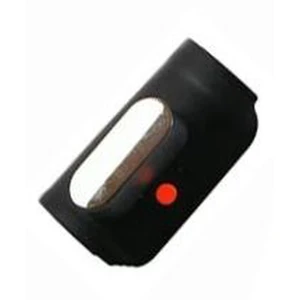
Ricambio tasto silenzioso iPhone 3G per una riparazione rapida ed efficace
1,99€
Ne restano solo 3 in magazzino
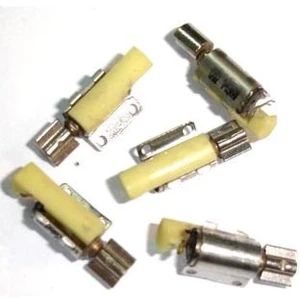
Motore vibrazione iPhone 3G - Ricambio originale per riparazione smartphone
2,50€
Ne restano solo 7 in magazzino
Articoli visualizzati di recente
Ricambio tasto silenzioso iPhone 3G per una riparazione rapida ed efficace
1,99€
Ne restano solo 3 in magazzino
 Microfono originale iPhone 3G 100% nuovo per riparazione e ricambio
2,68€