


4,76€
Disponibile
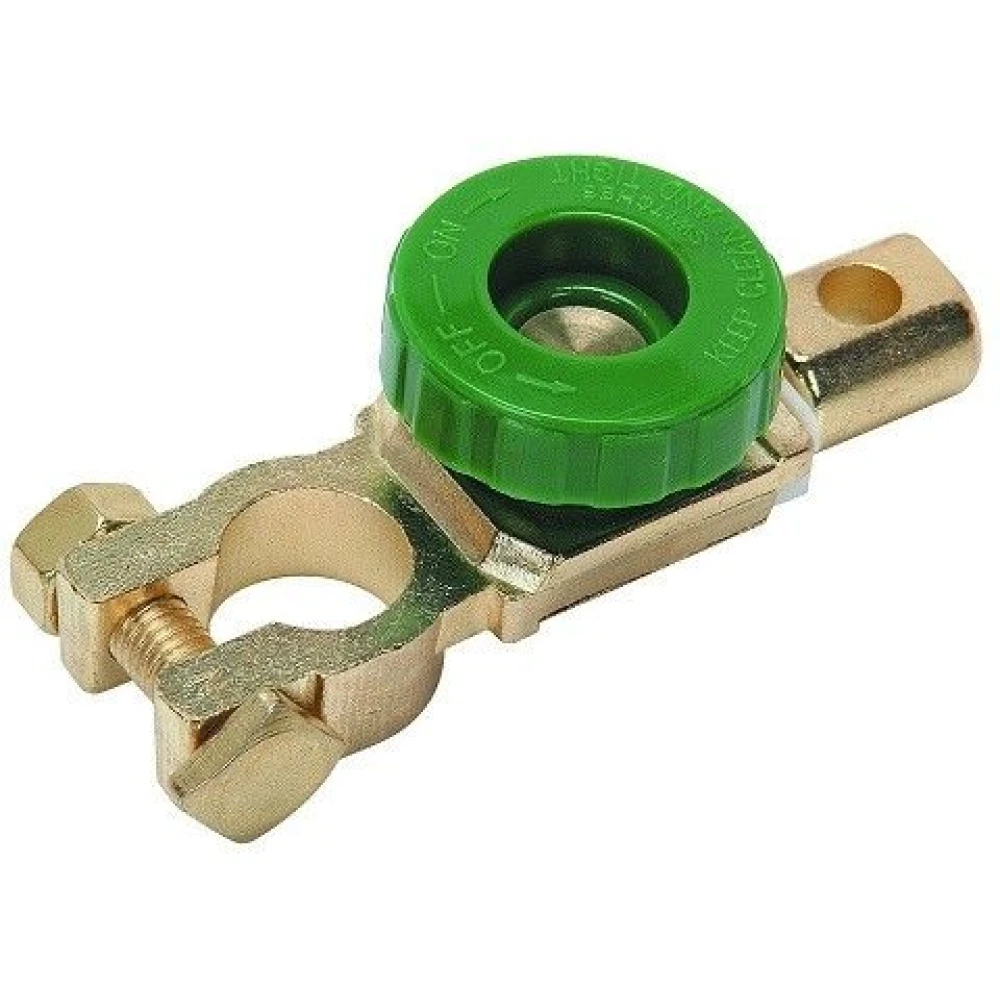
Staccabatteria auto 12V 24V per camion, auto e barca
Marchio: TSX TOOL
4,76€
IVA inclusa (IVA escl.: 3,90€)
Scorte limitate
Consegna standard
Mer, Apr 22 - Ven, Apr 24
Consegna espressa
Lun, Apr 20 - Mar, Apr 21
Resi entro 30 giorni
Resi gratuiti entro 30 giorni
Transazione sicura






Share:
Consegna gratuita
Per ordini superiori a 300€
Resi facili
Politica di reso di 30 giorni
Pagamento sicuro
Checkout 100% sicuro
Garanzia di qualità
Solo prodotti originali
Staccabatteria auto 12V 24V TSX TOOL
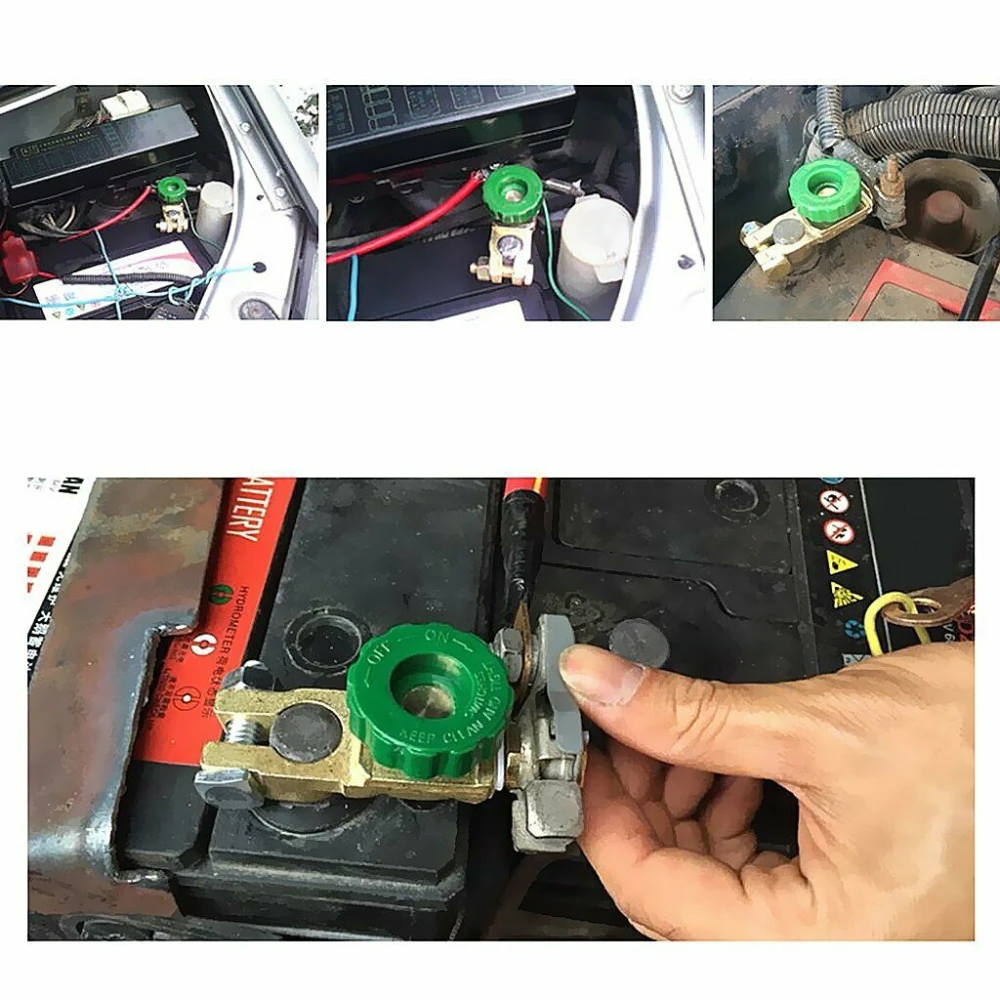
Questo staccabatteria è un accessorio essenziale per veicoli come auto, camion e barche che utilizzano batterie standard con poli rotondi. La sua funzione principale è consentire di scollegare facilmente la batteria per evitare dispersioni elettriche e perdita di energia quando il veicolo non è in uso.
Caratteristiche principali:
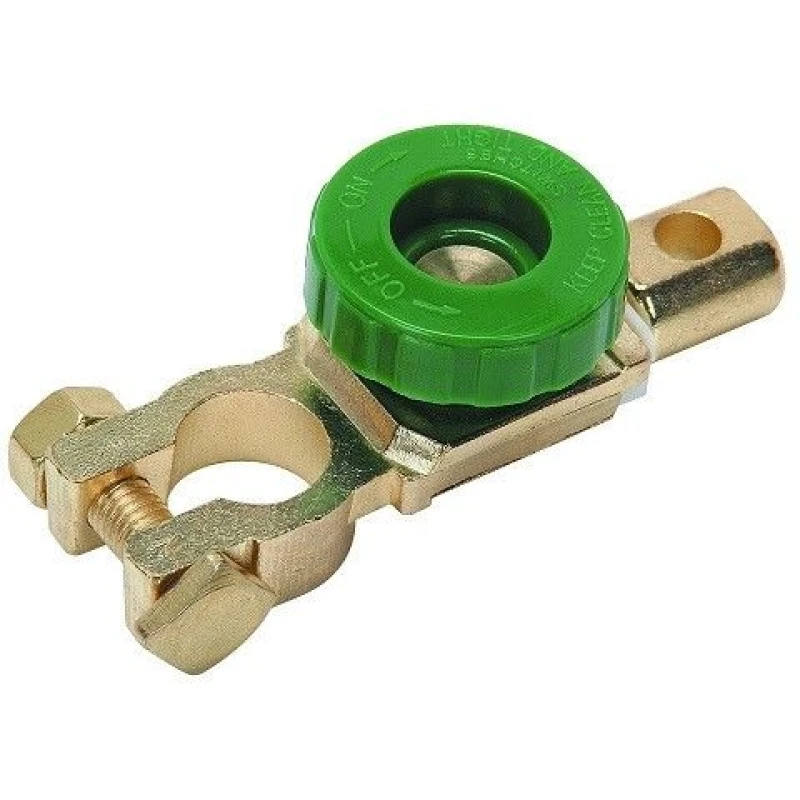
- Compatibile con batterie da 12V e 24V con poli rotondi di 17 mm di diametro.
- Materiale resistente in lega di zinco e ottone placcato che garantisce durata e resistenza alla corrosione.
- Dimensioni compatte di 86 x 36 x 35 mm che ne facilitano l'installazione in spazi ridotti.
- Funzionamento semplice tramite una vite verde che, allentata di mezzo giro, scollega la batteria dal cavo.
- Consente di scollegare e ricollegare la batteria con un semplice giro della manopola, senza bisogno di utensili aggiuntivi.
Usi e vantaggi:
- Ideale per la manutenzione e la protezione delle batterie in auto, camion e imbarcazioni.
- Previene dispersioni elettriche ed evita la perdita di energia quando il veicolo è fermo.
- Facilita il rapido scollegamento per interventi di riparazione o manutenzione elettrica.
- Compatibile con diversi tipi di batterie purché il diametro della testa della pila sia di 1,7 cm.
Installazione e compatibilità:
Lo staccabatteria si installa tra il polo positivo della batteria e il cavo collegato ad essa. Il suo design consente un'installazione semplice e sicura, ideale per chi cerca una soluzione rapida per scollegare la batteria senza complicazioni. È compatibile con batterie standard a polo rotondo, comuni nei veicoli a motore e nelle imbarcazioni.
Con questo staccabatteria potrai mantenere il tuo veicolo protetto ed evitare problemi elettrici causati da dispersioni o collegamenti difettosi. È un accessorio pratico e durevole che migliora la manutenzione e la sicurezza dei tuoi impianti elettrici.
- Compatibile con batterie da 12V e 24V con poli rotondi da 17 mm.
- Materiale resistente in lega di zinco e ottone placcato.
- Dimensioni compatte: 86 x 36 x 35 mm.
- Installazione semplice tra polo della batteria e cavo.
- Scollegamento rapido con giro della manopola senza utensili.
- Previene dispersioni elettriche e perdita di energia.
- Ideale per auto, camion e barche.
Domande e risposte dei clienti
Quins beneficis pràctics ofereix instal·lar el desconnectador de bateria en comparació amb desconnectar manualment el born?
El desconnectador permet aïllar la bateria amb un simple gir, evitant eines i reduint el risc d’espurnes o danys als terminals, facilitant el manteniment i prevenint descàrregues accidentals o fuites de corrent quan el vehicle no està en ús.
Quins són els materials principals del desconnectador i quins avantatges ofereix la seva composició?
Està fabricat en aliatge de zinc i llautó xapat, cosa que proporciona resistència a la corrosió i bona conductivitat elèctrica; aquests materials també suporten ambients humits típics d’aplicacions nàutiques o automobilístiques.
Quines precaucions de seguretat s’han d’observar durant la instal·lació i l’ús del desconnectador en vehicles de 12V i 24V?
És fonamental instal·lar el desconnectador al born negatiu amb el motor apagat i sense consumidors actius. Cal evitar curtcircuits, estrènyer fermament els cargols i assegurar-se que no hi hagi contacte accidental amb parts metàl·liques. No s’han de superar les especificacions elèctriques normals del sistema del vehicle.
Quin manteniment requereix el desconnectador per assegurar-ne el funcionament i quina és la seva vida útil estimada amb un ús habitual?
Es recomana netejar periòdicament els contactes per evitar sulfatació i verificar l’ajust del cargol. En entorns corrosius o d’alta vibració, la inspecció ha de ser més freqüent. La vida útil pot superar els 5 anys en condicions normals, però depèn de l’entorn i de la freqüència d’ús.
What practical benefits does installing the battery isolator offer compared with disconnecting the terminal manually?
The isolator allows the battery to be disconnected with a simple turn, avoiding tools and reducing the risk of sparks or terminal damage, making maintenance easier and preventing accidental discharge or current leakage when the vehicle is not in use.
What are the main materials of the isolator, and what advantages does its composition offer?
It is made from zinc alloy and plated brass, which provide corrosion resistance and good electrical conductivity; these materials also withstand humid environments typical of marine or automotive applications.
What safety precautions should be observed during installation and use of the isolator in 12V and 24V vehicles?
It is essential to install the isolator on the negative terminal with the engine off and no consumers active. Avoid short-circuits, tighten the screws firmly and ensure there is no accidental contact with metal parts. Do not exceed the normal electrical specifications of the vehicle system.
What maintenance does the isolator require to ensure proper operation, and what is its estimated service life under normal use?
It is recommended to clean the contacts periodically to prevent sulphation and check the screw tightness. In corrosive or high-vibration environments, inspections should be more frequent. Service life can exceed 5 years under normal conditions, but this depends on the environment and frequency of use.
What practical benefits does installing the battery disconnect switch offer compared with disconnecting the terminal manually?
The disconnect switch allows the battery to be isolated with a simple turn, avoiding tools and reducing the risk of sparks or damage to the terminals, making maintenance easier and preventing accidental discharge or current leakage when the vehicle is not in use.
What are the main materials of the disconnect switch, and what advantages does its composition offer?
It is made from zinc alloy and plated brass, which provides corrosion resistance and good electrical conductivity; these materials also withstand humid environments typical of marine or automotive applications.
Scrivi una recensione cliente
I clienti che hanno acquistato questo articolo hanno acquistato anche

Localizzatore GPS batteria lunga per auto TK108B con SOS e base magnetica
63,44€
Ne restano solo 8 in magazzino

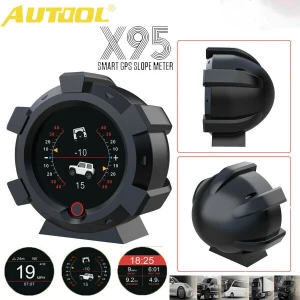
Inclinometro multifunzione Autool X95 con giroscopio multiasse e GPS
46,36€
Ne restano solo 6 in magazzino
Articoli visualizzati di recente

Adattatore USB 2.0 per hard disk IDE e SATA compatibile ed efficiente
8,54€
Ne restano solo 10 in magazzino


 Staccabatteria auto 12V 24V per camion, auto e barca
4,76€