


24,28€
Disponibile
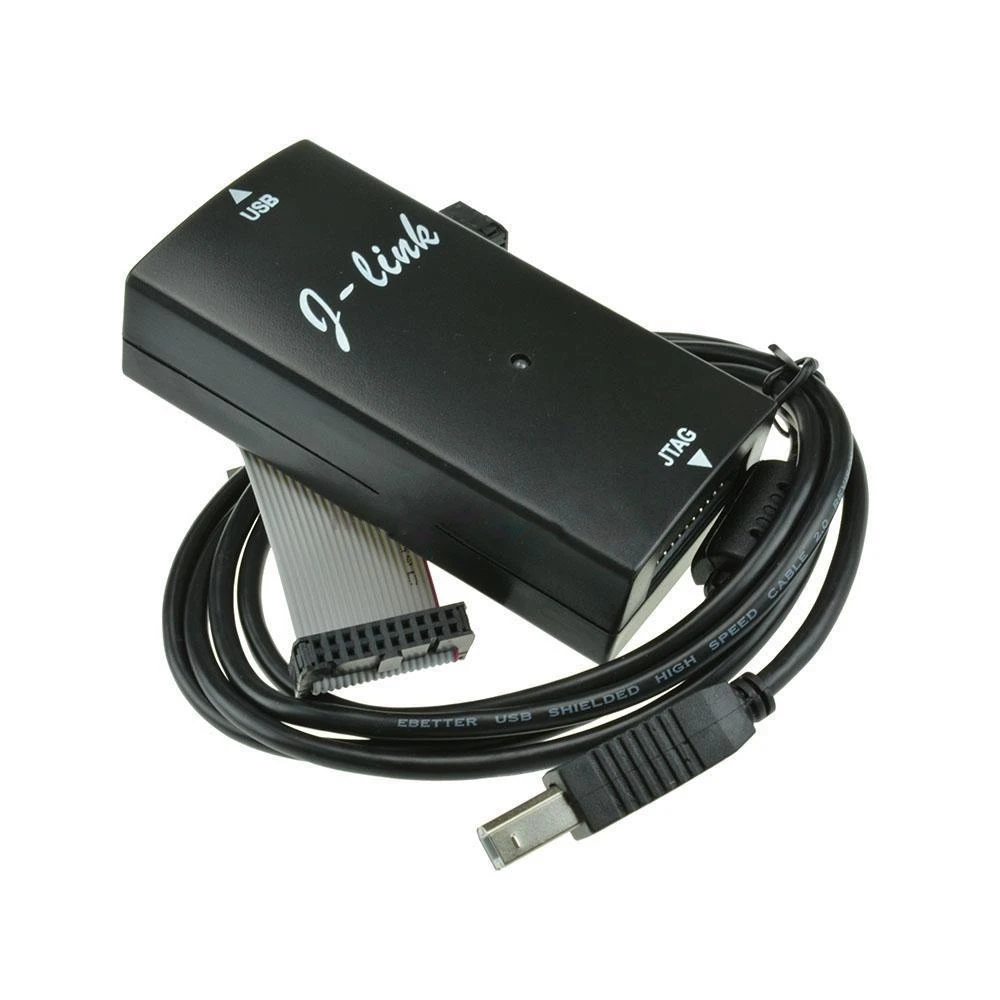
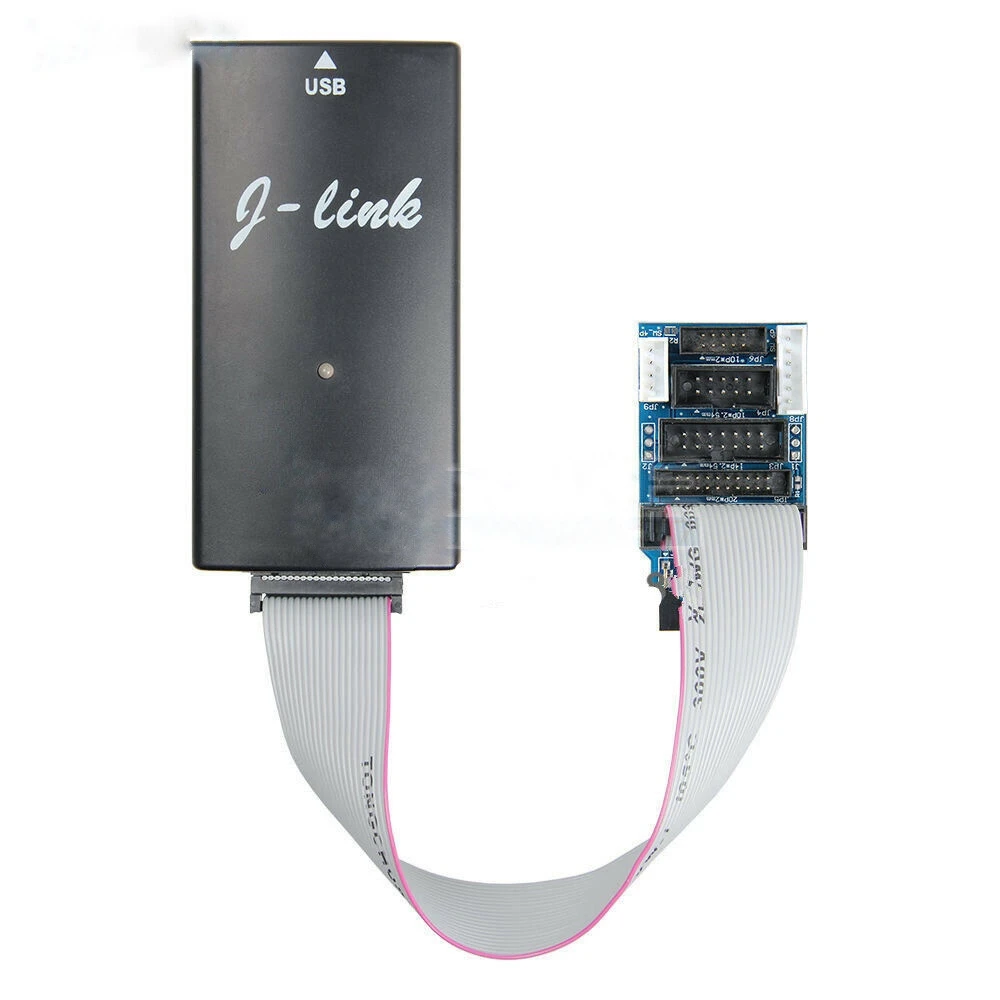


J-Link V9 emulatore JTAG ARM compatibile con ARM7, ARM9, ARM11 e Cortex-STM3
Marchio: satkit
24,28€
IVA inclusa (IVA escl.: 19,90€)
Ne restano solo 4 in magazzino: ordina subito!
Consegna standard
Mer, Apr 22 - Ven, Apr 24
Consegna espressa
Lun, Apr 20 - Mar, Apr 21
Resi entro 30 giorni
Resi gratuiti entro 30 giorni
Transazione sicura






Share:
Consegna gratuita
Per ordini superiori a 300€
Resi facili
Politica di reso di 30 giorni
Pagamento sicuro
Checkout 100% sicuro
Garanzia di qualità
Solo prodotti originali
J-Link V9 ARM Emulatore JTAG è uno strumento essenziale per gli sviluppatori che lavorano con microcontrollori ARM7, ARM9, ARM11 e Cortex-STM3. Questo emulatore supporta diversi ambienti di sviluppo come IAR EWARM, ADS, KEIL, WINARM e Real View, facilitando il debug e la programmazione di chip ARM con elevata efficienza e precisione.
Caratteristiche principali:
- Compatibilità con core ARM7TDMI (Rev. 1, 3 e 4), ARM720T, ARM920T, ARM926EJ-S, ARM946E-S, ARM966E-S, ARM11 e Cortex-M3.
- Interfaccia USB 2.0 ad alta velocità per una connessione semplice e rapida al PC.
- Velocità massima di trasferimento JTAG di 12 MHz, con velocità di download fino a 600 kB/s per ARM7 e 550 kB/s per ARM9.
- Supporto per intervalli di tensione della scheda di destinazione da 1.2V a 3.3V, compatibile anche con 5V.
- Indicatori LED bicolore che mostrano lo stato di lavoro e comunicazione, migliorando il monitoraggio in tempo reale.
- Include cavo USB e cavo piatto a 20 fili per il collegamento alla scheda di destinazione.
- Protezione contro sovracorrente con alimentazione USB che fornisce fino a 300 mA alla scheda di destinazione.
- Compatibile con i sistemi operativi Microsoft Windows 2000, XP, 2003 e Vista, incluse le versioni x64.
Miglioramenti rispetto alle versioni precedenti:
- Miglioramento del circuito di interfaccia SWD per un debug più stabile e funzionalità estese.
- Uso di un chip convertitore a due livelli per un'interfaccia JTAG più robusta.
- Firmware ottimizzato con area bootloader ampliata per facilitare futuri aggiornamenti e nuove funzioni.
- Supporto migliorato e più rapido per ARM11, come prima scelta per questo core.
Usi tipici:
Questo emulatore è ideale per gli sviluppatori che devono eseguire il debug e programmare microcontrollori ARM in progetti di elettronica, automazione, sistemi embedded e sviluppo firmware. La compatibilità con diversi ambienti di sviluppo e core ARM lo rende versatile per numerose applicazioni professionali e didattiche.
Contenuto della confezione:
- 1 x J-Link V9 ARM Emulator
- 1 x Cavo USB
- 1 x Convertitore J-Link JTAG
Specifiche tecniche:
- Alimentazione: USB, consumo inferiore a 50mA.
- Interfaccia: USB 2.0 ad alta velocità (12 Mbps).
- Interfaccia JTAG: 20 pin standard, con opzione a 14 pin.
- Velocità massima JTAG: 12 MHz.
- Tensione supportata sulla scheda di destinazione: 1.2V - 3.3V e 5V.
- Temperatura di esercizio: +5°C a +60°C.
- Dimensioni: 10,3 cm x 5,3 cm x 2,7 cm.
- Peso: 60 grammi (senza cavi).
- Certificazioni EMC: EN 55022, EN 55024.
Nota importante: Attualmente questo prodotto è esaurito. Ti consigliamo di consultare il nostro sito per future disponibilità o alternative simili.
- Compatibile con core ARM7, ARM9, ARM11 e Cortex-M3
- Interfaccia USB 2.0 per una connessione rapida e stabile
- Velocità massima JTAG di 12 MHz per un debug efficiente
- Supporto per tensioni da 1.2V a 5V sulla scheda di destinazione
- Indicatori LED bicolore per il monitoraggio dello stato
- Include cavo USB e cavo piatto a 20 fili
- Compatibile con diversi ambienti di sviluppo: IAR, ADS, KEIL, WINARM
- Protezione contro sovracorrente e alimentazione USB
- Firmware ottimizzato per futuri aggiornamenti
- Dimensioni compatte e peso ridotto per una facile gestione
Domande e risposte dei clienti
Quins avantatges funcionals ofereix el J-Link V9 respecte a versions anteriors com la V7?
El J-Link V9 incorpora millores rellevants respecte a la versió V7: utilitza un xip AT91SAM7S64 amb més capacitat de Flash i SRAM, cosa que facilita futures actualitzacions de firmware. Millora la interfície SWD amb un convertidor de dos nivells que protegeix el xip davant errors de configuració i afegeix indicadors LED d’estat diferenciats (USB, CPU objectiu, sortida 5V). El suport per a ARM11 és superior i més ràpid, tot i que la velocitat de SWD és una mica menor que a la V7. Aquestes novetats optimitzen la compatibilitat i la seguretat durant la depuració.
Quines són les dimensions, el pes i els materials principals de l’emulador J-Link V9 i què inclou la caixa en comprar-lo?
L’emulador J-Link V9 sol tenir unes dimensions aproximades de 90 mm x 45 mm x 20 mm i un pes proper als 65 g, tot i que aquests valors poden variar lleugerament segons el fabricant. Està construït principalment en plàstic ABS d’alta resistència i components electrònics interns. Habitualment, a la caixa hi ha l’emulador, un cable USB tipus A a mini-B (o micro-B) i un o dos cables de connexió JTAG/SWD. És recomanable consultar el contingut exacte amb el distribuïdor.
Quina compatibilitat i requisits de connexió té el J-Link V9 amb microcontroladors i sistemes operatius?
El J-Link V9 és compatible amb arquitectures ARM7, ARM9, ARM11 i Cortex-M3, així com amb microcontroladors STM32 i similars que suportin interfícies JTAG i SWD. Funciona via USB 2.0 i requereix un port USB lliure. És compatible amb entorns de desenvolupament com Keil MDK, IAR EWARM i ADS, i funciona a Windows i, amb els drivers adequats, a Linux i macOS. El voltatge d’operació típic a la interfície objectiu va d’1,2 V a 3,3 V.
Quines consideracions cal tenir en compte en instal·lar i posar en marxa el J-Link V9 per primera vegada?
És essencial instal·lar primer els drivers actualitzats del fabricant SEGGER al vostre sistema operatiu abans de connectar el dispositiu. Per a la primera connexió, connecteu el J-Link V9 al port USB i després connecteu-lo amb cura al capçal JTAG/SWD del microcontrolador objectiu, respectant l’orientació i el pinout. Eviteu canviar el mode SWD si no esteu segur de la compatibilitat, per prevenir danys al dispositiu.
Quines són les limitacions de velocitat o rendiment de depuració davant alternatives com ST-Link o CMSIS-DAP?
El J-Link V9 ofereix velocitats de transferència i depuració competitives davant alternatives com ST-Link o CMSIS-DAP, tot i que la velocitat SWD és lleugerament inferior respecte a la V7 (al voltant d’1-3 MHz segons la configuració). El seu principal avantatge és l’estabilitat, el suport ampliat de nuclis ARM i la compatibilitat amb múltiples IDEs. ST-Link sol ser més ràpid en STM32 però només suporta xips STM, mentre que J-Link té un suport ARM més universal i una millor gestió d’estats.
What functional advantages does the J-Link V9 offer over earlier versions such as V7?
The J-Link V9 includes significant improvements over the V7 version: it uses an AT91SAM7S64 chip with greater Flash and SRAM capacity, which makes future firmware updates easier. It improves the SWD interface using a two-level converter that protects the chip against configuration errors and adds differentiated status LEDs (USB, target CPU, 5V output). ARM11 support is better and faster, even though the SWD speed is slightly lower than on the V7. These new features optimise compatibility and safety during debugging.
What are the dimensions, weight and main materials of the J-Link V9 emulator, and what is included in the box when purchased?
The J-Link V9 emulator usually has approximate dimensions of 90 mm x 45 mm x 20 mm and a weight of around 65 g, although these values may vary slightly depending on the manufacturer. It is mainly made of high-strength ABS plastic and internal electronic components. The box typically contains the emulator, a USB Type-A to mini-B (or micro-B) cable, and one or two JTAG/SWD connection cables. It is advisable to check the exact contents with the distributor.
What compatibility and connection requirements does the J-Link V9 have with microcontrollers and operating systems?
The J-Link V9 is compatible with ARM7, ARM9, ARM11 and Cortex-M3 architectures, as well as STM32 microcontrollers and similar devices that support JTAG and SWD interfaces. It operates via USB 2.0, requiring a free USB port. It is compatible with development environments such as Keil MDK, IAR EWARM and ADS, working on Windows and, with the appropriate drivers, on Linux and macOS. The typical operating voltage on the target interface ranges from 1.2 V to 3.3 V.
What should be considered when installing and starting up the J-Link V9 for the first time?
It is essential to install the latest drivers from manufacturer SEGGER on your operating system before connecting the device. For the first connection, plug the J-Link V9 into the USB port and then carefully connect it to the target microcontroller's JTAG/SWD header, observing the orientation and pinout. Avoid changing the SWD mode if you are unsure about compatibility, to prevent damage to the device.
What speed or debugging performance limitations are there compared with alternatives such as ST-Link or CMSIS-DAP?
The J-Link V9 offers competitive transfer and debugging speeds compared with alternatives such as ST-Link or CMSIS-DAP, although SWD speed is marginally lower than on the V7 (around 1-3 MHz depending on configuration). Its main advantage lies in stability, broad ARM core support and compatibility with multiple IDEs. ST-Link is usually faster on STM32 but only supports STM chips, whereas J-Link has more universal ARM support and better state handling.
Scrivi una recensione cliente
I clienti che hanno acquistato questo articolo hanno acquistato anche
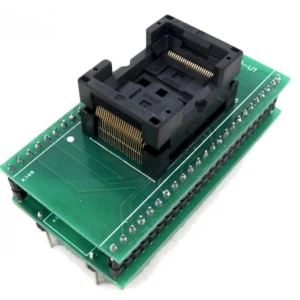
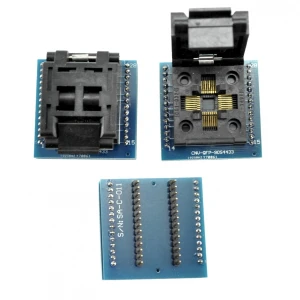
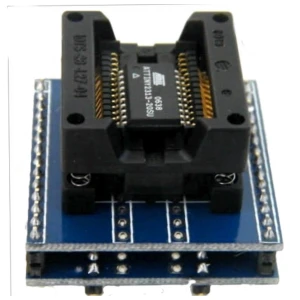
Zoccolo programmatore TQFP32 a DIP28 con facile inserimento compatibile satkit
26,84€
Ne restano solo 5 in magazzino
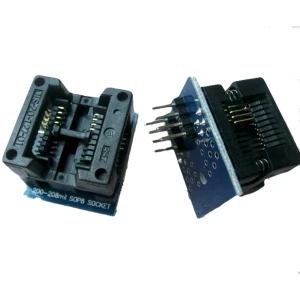
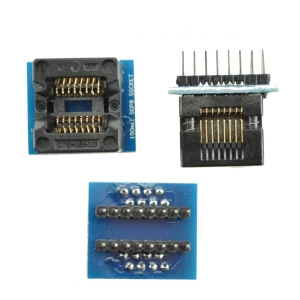
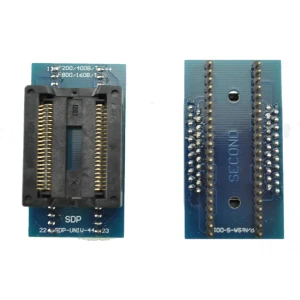
Zoccolo programmatore PSOP44 a DIP44 con facile inserimento per 44 pin
14,64€
Ne restano solo 7 in magazzino
Articoli visualizzati di recente
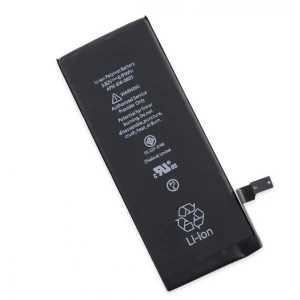
Batteria iPhone 6 4,7 nuova - ricambio originale compatibile e affidabile
5,50€
Ne restano solo 6 in magazzino
 J-Link V9 emulatore JTAG ARM compatibile con ARM7, ARM9, ARM11 e Cortex-STM3
24,28€