


2,44€
Disponibile
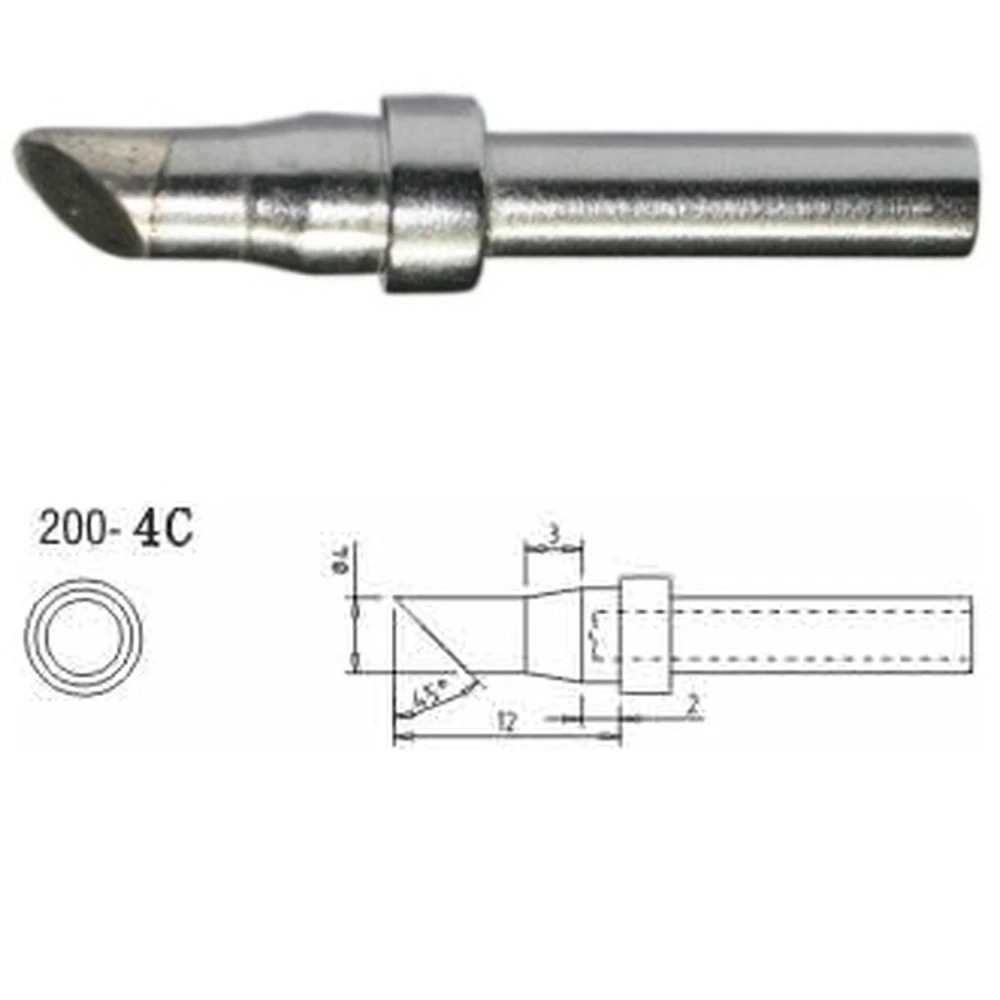
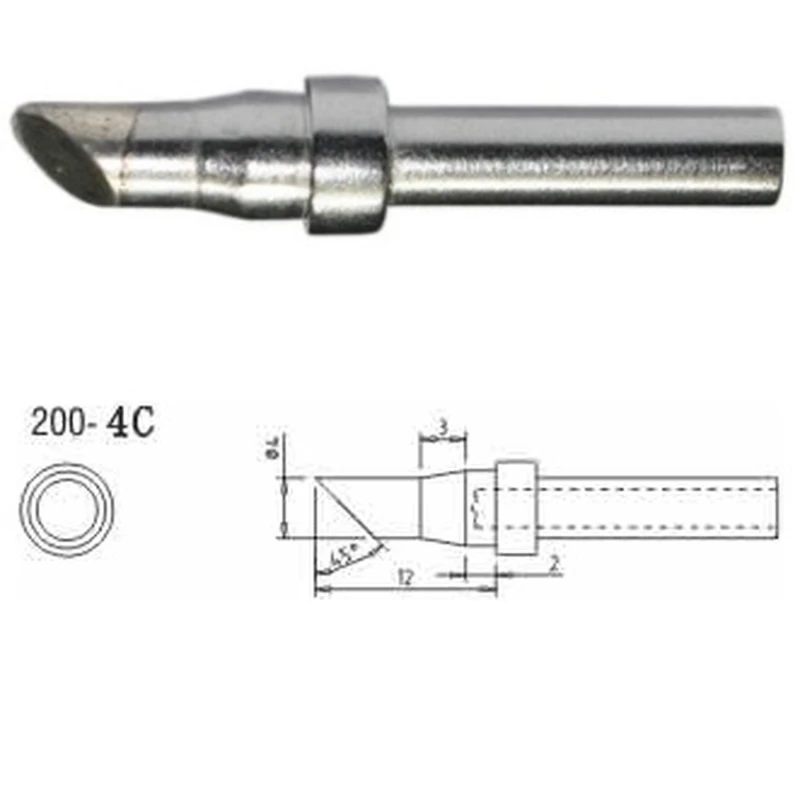
Ricambio punta saldatore Mlink S4 MOD 200-4C compatibile con Quick 203h e Atten at150d
Marchio: Mlink
2,44€
IVA inclusa (IVA escl.: 2,00€)
Disponibile - Spedizione immediata
Consegna standard
Mer, Apr 22 - Ven, Apr 24
Consegna espressa
Lun, Apr 20 - Mar, Apr 21
Resi entro 30 giorni
Resi gratuiti entro 30 giorni
Transazione sicura


Share:
Consegna gratuita
Per ordini superiori a 300€
Resi facili
Politica di reso di 30 giorni
Pagamento sicuro
Checkout 100% sicuro
Garanzia di qualità
Solo prodotti originali
Il ricambio punta saldatore Mlink S4 MOD 200-4C è un accessorio essenziale per mantenere e ottimizzare le prestazioni della vostra stazione di saldatura. Progettato per offrire precisione e durata, questo ricambio è compatibile con diverse stazioni di saldatura ad alta frequenza, rendendolo una scelta versatile per professionisti e appassionati di elettronica.
Compatibilità:
- Mlink S4
- Quick 203h
- Atten at150d
- Altre stazioni a induzione ad alta frequenza che utilizzano punte tipo 200
Caratteristiche principali:
- Design specifico per punte tipo 200, garantendo un adattamento perfetto e prestazioni ottimali.
- Materiale di alta qualità che assicura una lunga durata e resistenza all'usura.
- Facilità di installazione e sostituzione per ridurre al minimo i tempi di inattività nel vostro lavoro.
Usi tipici:
- Riparazioni elettroniche che richiedono precisione e controllo termico.
- Sostituzione di punte usurate in stazioni di saldatura compatibili.
- Applicazioni nella saldatura di componenti piccoli e delicati.
Compatibilità tecnica:
Questo ricambio è progettato per stazioni di saldatura che utilizzano punte tipo 200, in particolare modelli a induzione ad alta frequenza. Il suo design assicura una compatibilità perfetta con i modelli Mlink S4, Quick 203h e Atten at150d, tra gli altri.
Con questo ricambio, potrete mantenere l'efficienza e la qualità delle vostre saldature, garantendo un lavoro professionale e duraturo.
- Compatibile con stazioni Mlink S4, Quick 203h e Atten at150d
- Progettato per punte tipo 200 ad alta frequenza
- Materiale resistente per una lunga durata
- Installazione facile e sostituzione rapida
- Ideale per riparazioni elettroniche precise
Domande e risposte dei clienti
De quin material està feta la punta i com influeix en la durabilitat i la transferència tèrmica?
Aquesta punta sol estar fabricada en coure recobert de ferro i niquelat amb una capa final d’estany. Aquesta combinació maximitza la conducció tèrmica i la resistència al desgast; tanmateix, el recobriment exterior es pot desgastar amb soldadures agressives o neteges inadequades, afectant la vida útil.
Quin és el procés recomanat per a la instal·lació de la punta a l’estació de soldadura?
Es recomana esperar que el cautí estigui fred abans d’instal·lar la punta. Simplement retireu la punta anterior i feu lliscar la nova assegurant un bon ajust sense forçar. Un cop col·locada, engegueu l’estació i deixeu que la punta s’estabilitzi a la temperatura de treball abans d’utilitzar-la.
Hi ha límits de temperatura d’operació recomanats per a aquesta punta?
Sí, la majoria de les puntes tipus 200 suporten temperatures entre 200 °C i 480 °C. Evitar superar aquest rang ajuda a prevenir el deteriorament prematur del recobriment de la punta i manté un rendiment òptim en transferències tèrmiques.
Com es compara la Mlink S4 Mod 200-4c davant de puntes originals d’estacions Quick o Atten en termes de precisió i vida útil?
En condicions normals d’ús, la Mlink S4 Mod 200-4c ofereix una precisió i una vida útil raonablement similars a les puntes originals de Quick o Atten, sempre que s’utilitzin materials i processos de fabricació equivalents. Tanmateix, la capacitat de retenció de temperatura pot variar lleugerament segons el gruix del recobriment i l’ajust al cautí.
How does the Mlink S4 Mod 200-4c compare with original Quick or Atten station tips in terms of precision and service life?
Under normal use, the Mlink S4 Mod 200-4c offers reasonably similar precision and service life to original Quick or Atten tips, provided equivalent materials and manufacturing processes are used. However, heat retention may vary slightly depending on coating thickness and fit in the soldering iron.
What materials make up the Mlink S4 Mod 200-5c soldering tip and how do they affect heat transfer?
The tip is mainly made of copper with iron coating and, in some models, an additional layer of nickel and oxide. This combination provides high thermal conductivity (copper) and resistance to wear and corrosion (iron/nickel), which favours efficient heat transfer and longer service life under normal electronic soldering conditions.
What is the estimated service life of the tip and how can its durability be extended?
Service life varies depending on use and maintenance, but typically exceeds 40,000 thermal cycles under controlled conditions. To extend it, it is crucial to clean the tip after each use, avoid overheating (ideally ≤400 °C) and use compatible solder and flux.
Are there any performance or compatibility differences compared with generic tips or tips from other systems?
This tip offers greater thermal precision than generic alternatives thanks to its specific compatibility with high-frequency 200-type stations. Non-certified tips may damage the heater or provide poorer heat transfer, so approved replacements are preferable for professional applications.
What material is the tip made of and how does it influence durability and thermal transfer?
This tip is usually made of copper coated with iron and nickel-plated with a final tin layer. This combination maximises thermal conductivity and wear resistance; however, the outer coating can wear with aggressive soldering or improper cleaning, affecting service life.
What is the recommended process for installing the tip in the soldering station?
It is recommended to wait until the soldering iron is cold before fitting the tip. Simply remove the old tip and slide the new one in, ensuring a good fit without forcing it. Once fitted, switch on the station and allow the tip to stabilise at working temperature before use.
Scrivi una recensione cliente
I clienti che hanno acquistato questo articolo hanno acquistato anche
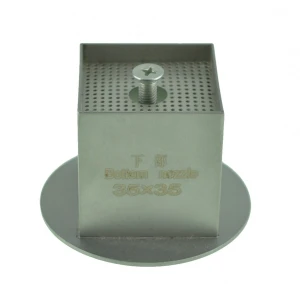
Ugello BGA 45x45 mm Zhuomao compatibile Mlink e Zhenxun per stazioni di saldatura
17,08€
Ne restano solo 8 in magazzino
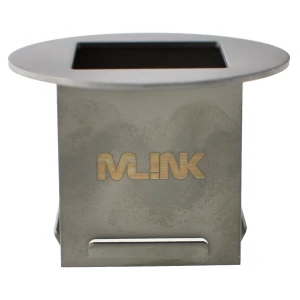
Ugello BGA 38x38 mm compatibile Mlink Zhuomao Zhenxun per stazioni saldanti
17,08€
Ne restano solo 4 in magazzino
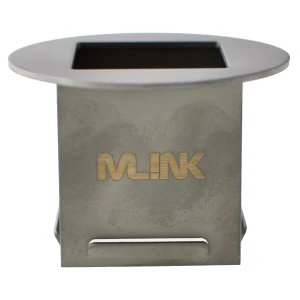
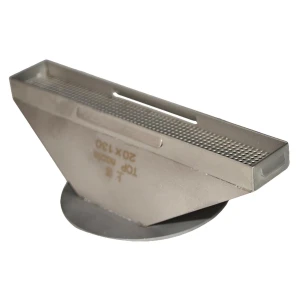
Ugello BGA 20x130 mm compatibile Zhuomao, Mlink e Zhenxun per stazioni di saldatura
17,08€
Ne restano solo 5 in magazzino
Articoli visualizzati di recente
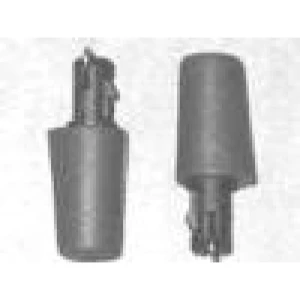

 Ricambio punta saldatore Mlink S4 MOD 200-4C compatibile con Quick 203h e Atten at150d
2,44€