

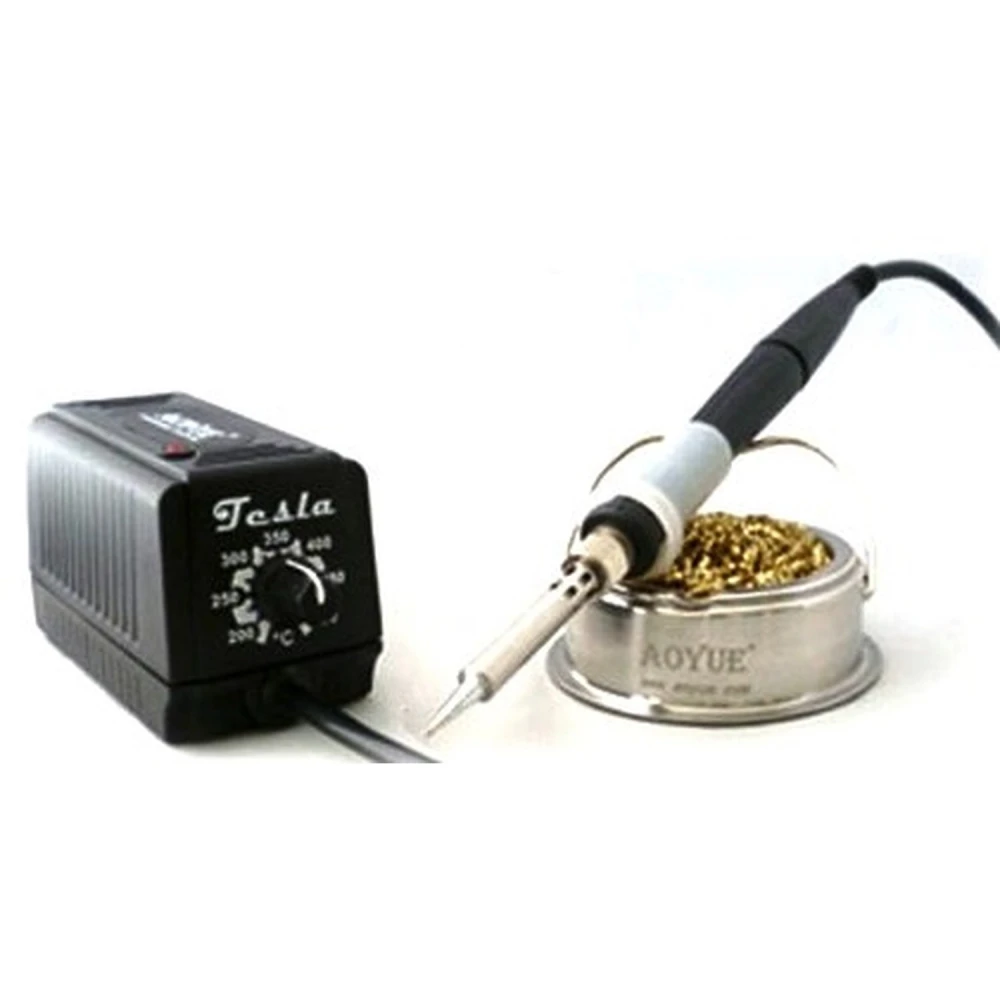
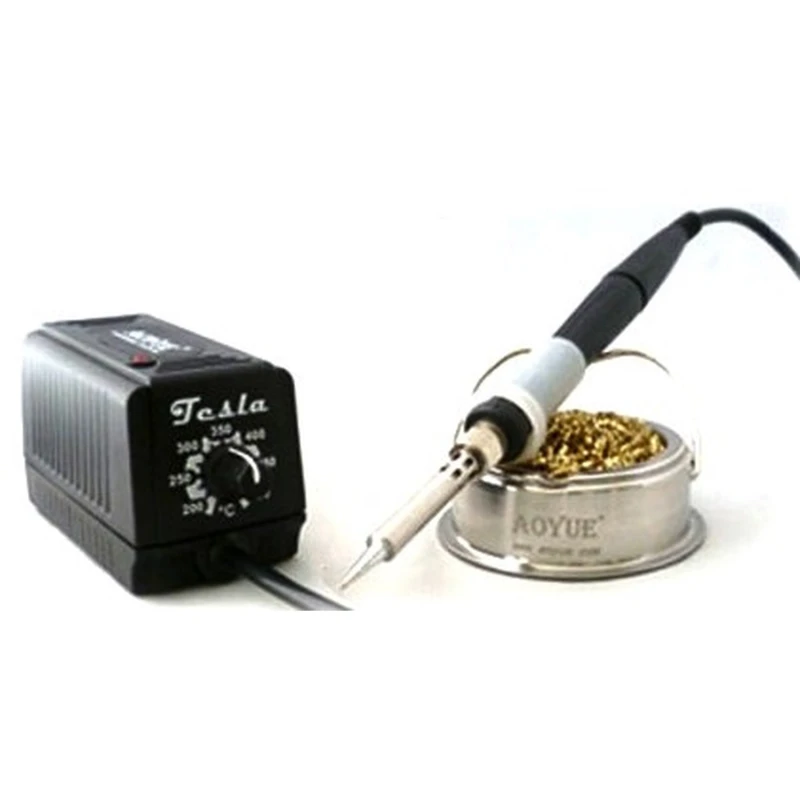
Stazione saldante regolabile Aoyue Tesla 75 W per uso hobby
Marchio: Aoyue
IVA inclusa (IVA escl.: 29,90€)


La Stazione saldante regolabile Aoyue Tesla 75 W è uno strumento progettato appositamente per utenti che cercano precisione e controllo nei propri progetti di saldatura, ideale per uso hobby e non professionale.
Caratteristiche principali:
- Design antistatico che protegge i componenti elettronici durante il lavoro.
- Raggiungimento rapido della temperatura per un lavoro efficiente e senza attese.
- Ricambi smontabili che facilitano la manutenzione e la sostituzione dei pezzi.
- Include supporto per il saldatore e strumenti di pulizia per mantenere la punta in condizioni ottimali.
Specifiche tecniche:
- Alimentazione: 220V disponibile.
- Consumo energetico: 75W, bilanciando potenza ed efficienza.
- Intervallo di temperatura regolabile tra 200 e 480ºC, consentendo di adattarsi a diversi tipi di saldatura.
- Elemento riscaldante ceramico che garantisce una temperatura stabile e duratura.
- Peso approssimativo di 1 kg, facilitando il trasporto e la maneggevolezza.
Compatibilità:
Compatibile con tutte le punte Aoyue modello T, il che consente un'ampia varietà di applicazioni e sostituzioni semplici.
Uso consigliato:
Questa stazione saldante è consigliata per appassionati e progetti di elettronica che non richiedono un uso professionale. È ideale per chi cerca uno strumento affidabile ed economico per lavori di saldatura in casa o in piccoli laboratori.
Importante:
La resistenza e le punte sono escluse dalla garanzia. Inoltre, a causa del suo design e delle sue caratteristiche, questa stazione non è indicata per un uso professionale intensivo.
Se cerchi una stazione saldante regolabile economica ed efficiente per hobby, la Aoyue Tesla da 75 W è un'ottima opzione.
- Potenza da 75 W per un riscaldamento rapido ed efficiente
- Controllo della temperatura regolabile tra 200 e 480ºC
- Elemento riscaldante ceramico per stabilità termica
- Design antistatico per la protezione dei componenti
- Include supporto per saldatore e strumenti di pulizia
- Compatibile con punte Aoyue modello T
- Peso leggero di 1 kg per una facile maneggevolezza
Domande e risposte dei clienti
Quins avantatges ofereix l’element calefactor ceràmic davant d’altres tipus a l’Estació de Soldadura Aoyue Tesla?
L’element calefactor ceràmic proporciona una pujada ràpida i estable de la temperatura, menor deriva tèrmica i més eficiència energètica en comparació amb els calefactors metàl·lics. Això millora l’experiència en soldadures de precisió i redueix els temps d’espera. Tanmateix, poden ser menys tolerants als cops que els metàl·lics enrotllats.
Quin és el rang de temperatures reals que pot mantenir l’estació i quina tolerància de control té?
L’estació permet regular la temperatura entre 200 °C i 480 °C, amb una tolerància típica de control de ±10 °C segons la tecnologia emprada i les condicions ambientals. Es recomana monitoratge extern si es requereix una precisió estricta per a components sensibles.
Hi ha requisits específics per a la instal·lació elèctrica o protecció de l’estació Aoyue Tesla 75W?
Funciona amb alimentació de 220 V AC. Es recomana utilitzar protecció bàsica contra sobretensions i un entorn segur (bona ventilació, superfície estable i presa de terra). No requereix instal·lació especialitzada, però l’absència de doble aïllament exigeix precaució en ambients humits.
Quines diferències funcionals hi ha entre aquesta estació i una versió professional pel que fa a ús continu i durabilitat?
Aquesta estació, dissenyada per a ús hobby, està optimitzada per a operacions intermitents més que no pas per a cicles extensos o tasques industrials. La seva potència de 75 W és adequada per a treballs electrònics bàsics, però pot mostrar caigudes de temperatura o desgast prematur en jornades llargues comparada amb models professionals (>90 W, components industrials, millor dissipació tèrmica).
What advantages does the ceramic heating element offer over other types in the Aoyue Tesla Soldering Station?
The ceramic heater provides rapid and stable temperature rise, lower thermal drift and greater energy efficiency than metal heaters. This improves the experience in precision soldering and reduces waiting times. However, it may be less shock-resistant than wound metal heaters.
What is the real temperature range the station can maintain, and what control tolerance does it have?
The station allows temperature adjustment between 200 °C and 480 °C, with a typical control tolerance of ±10 °C depending on the technology used and ambient conditions. External monitoring is recommended if strict precision is required for sensitive components.
Are there any specific electrical installation or protection requirements for the Aoyue Tesla 75W station?
It operates on 220 V AC power. Basic surge protection and a safe environment are recommended (good ventilation, a stable surface and earth connection). No specialised installation is required, but the lack of double insulation means extra caution should be taken in damp environments.
What functional differences are there between this station and a professional version in terms of continuous use and durability?
This station, designed for hobby use, is optimised for intermittent operation rather than extended cycles or industrial tasks. Its 75 W output is suitable for basic electronics work, but it may show temperature drops or premature wear during long sessions compared with professional models (>90 W, industrial components, better thermal dissipation).
What advantages does the ceramic heating element offer over other types in the Aoyue Tesla Soldering Station?
The ceramic heater provides rapid, stable temperature rise, less thermal drift and greater energy efficiency than metal heaters. This improves precision soldering and reduces waiting times. However, it may be less impact-resistant than wound metal heaters.
What real temperature range can the station maintain, and what control tolerance does it have?
The station allows temperature adjustment between 200 °C and 480 °C, with a typical control tolerance of ±10 °C depending on the technology used and ambient conditions. External monitoring is recommended if strict precision is required for sensitive components.
Scrivi una recensione cliente
I clienti che hanno acquistato questo articolo hanno acquistato anche
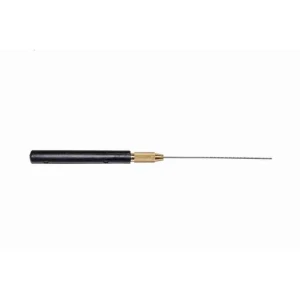
Utensile pulizia dissaldatore Aoyue 20178 compatibile con pistole dissaldanti
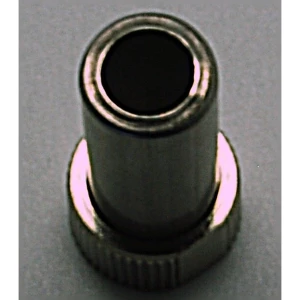
Tubo metallico filettato Aoyue 30129 per collegamento tubo di aspirazione dissaldatore lungo
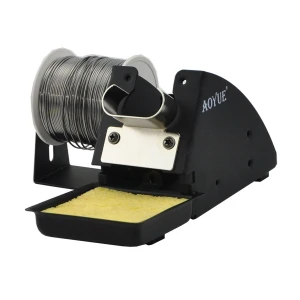
Supporto pinze saldatore con porta bobina Aoyue 2665 per stazione di saldatura
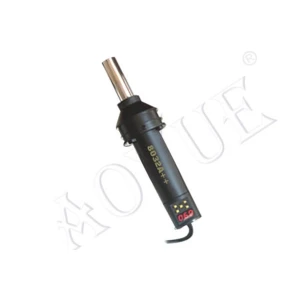
Stazione saldante ad aria calda Aoyue 8032a++ digitale portatile ad alta precisione
Resistenza saldatore Aoyue 3233 modello C032 - Ricambio per stazione saldante
Articoli visualizzati di recente
![Aoyue Aoyue INT768+ stazione di riparazione professionale [Nuova versione 60W]](https://satkit.it/image/cache/catalog/products/aoyue-int768-sistema-de-reparacion-profesional-nueva-version-60w-300x300.webp)