


4,51€
Disponibile
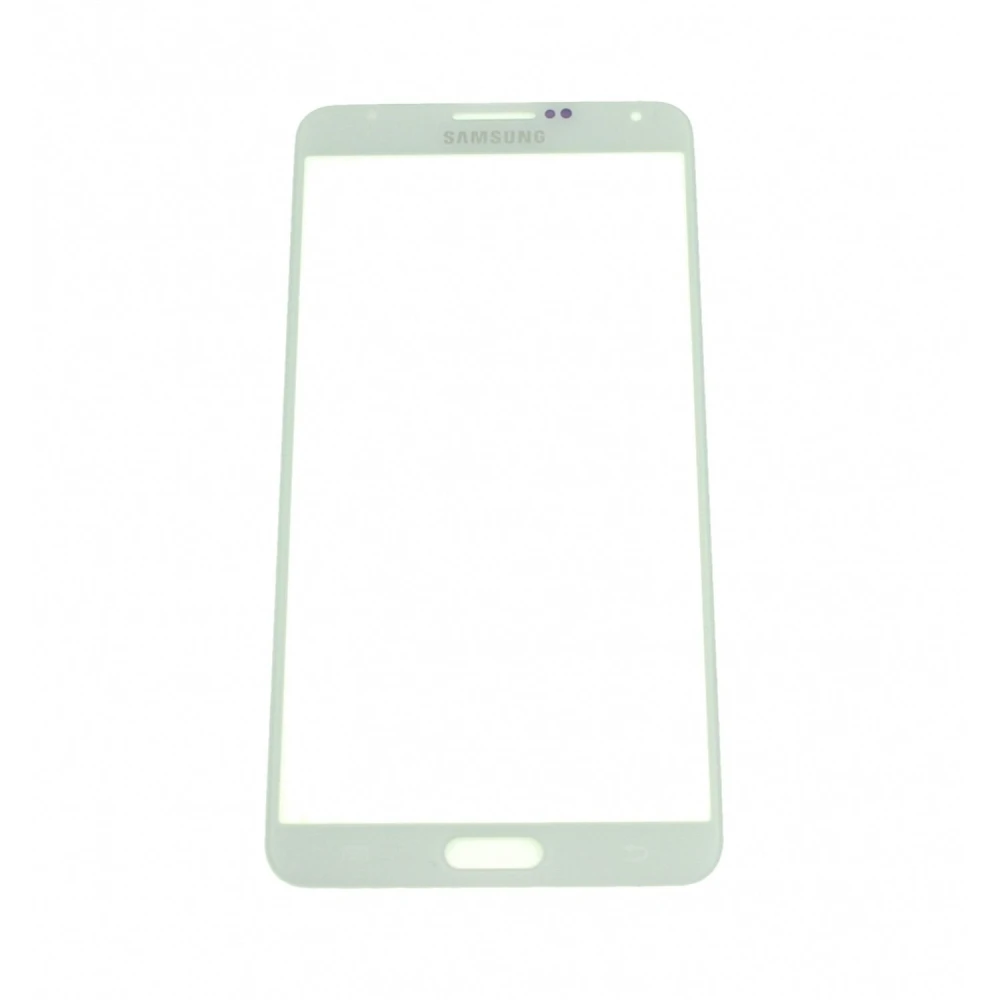
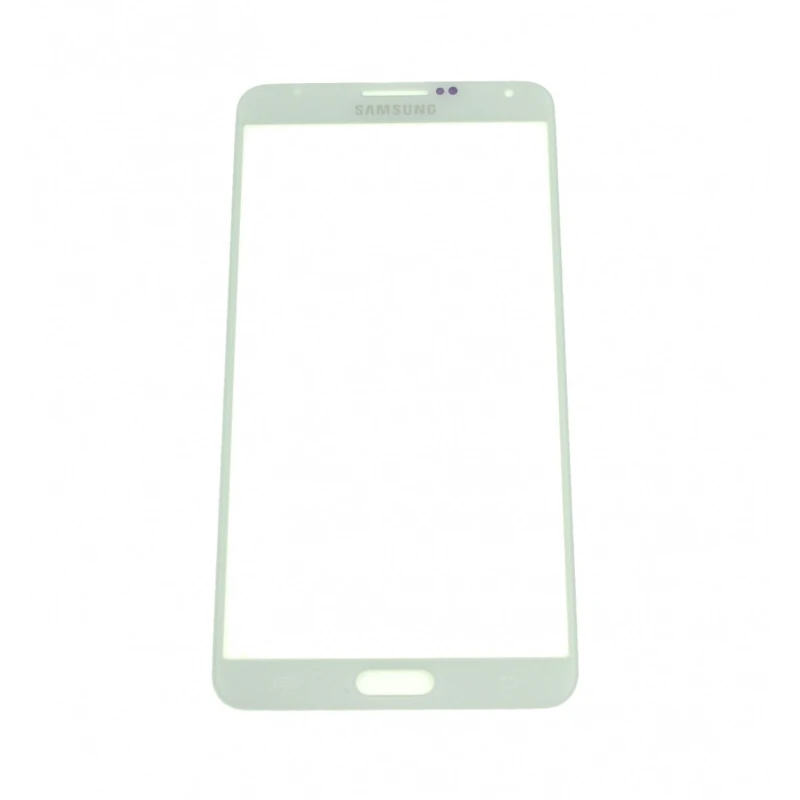
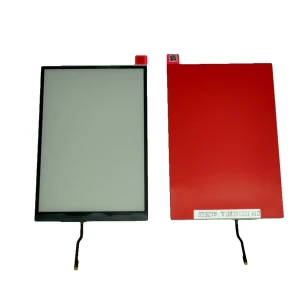
Vetro display Samsung Galaxy Note 3 bianco - Ricambio originale di qualità
Marchio: satkit
4,51€
IVA inclusa (IVA escl.: 3,70€)
Scorte limitate
Consegna standard
Mer, Apr 22 - Ven, Apr 24
Consegna espressa
Lun, Apr 20 - Mar, Apr 21
Resi entro 30 giorni
Resi gratuiti entro 30 giorni
Transazione sicura






Share:
Consegna gratuita
Per ordini superiori a 300€
Resi facili
Politica di reso di 30 giorni
Pagamento sicuro
Checkout 100% sicuro
Garanzia di qualità
Solo prodotti originali
Il vetro display Samsung Galaxy Note 3 bianco è un ricambio essenziale per chi deve riparare lo schermo del proprio dispositivo e riportarlo alla funzionalità e all'aspetto originali. Questo vetro è compatibile specificamente con il modello Samsung Galaxy Note 3 nel colore bianco, garantendo un adattamento perfetto e un'esperienza visiva ottimale.
Questo ricambio per lo schermo è progettato per sostituire il vetro esterno danneggiato o rotto, consentendo al touchscreen di funzionare correttamente e mantenendo la qualità visiva. È ideale per tecnici di riparazione e utenti che desiderano effettuare una sostituzione efficiente ed economica.
- Compatibilità: Samsung Galaxy Note 3 (bianco)
- Tipo di prodotto: Vetro display (ricambio esterno)
- Colore: Bianco
- Funzione: Sostituzione del vetro protettivo del touchscreen
- Qualità: Materiale resistente e compatibile con il dispositivo originale
Questo vetro per Samsung Note 3 originale è perfetto per riparare danni causati da urti o cadute che compromettano la visibilità o il tocco. Sostituire il display Samsung Galaxy Note 3 con questo ricambio garantisce che il telefono recuperi il suo aspetto e la sua funzionalità senza dover sostituire l'intero pannello LCD.
Inoltre, è un prodotto facile da installare per professionisti e utenti con esperienza nella riparazione di smartphone. Non include componenti elettronici né LCD, solo il vetro esterno che protegge il touchscreen.
Per garantire compatibilità e qualità, questo ricambio è realizzato per adattarsi perfettamente al Samsung Galaxy Note 3 bianco, evitando problemi di funzionamento o montaggio.
Se cerchi dove comprare un vetro display Samsung Note 3 bianco economico e di qualità, questa è la soluzione ideale per la tua riparazione.
- Compatibile con Samsung Galaxy Note 3 bianco
- Ricambio per vetro display esterno
- Materiale resistente e durevole
- Facile da installare per la riparazione
- Ripristina l'aspetto originale dello smartphone
Domande e risposte dei clienti
Quins són els avantatges tècnics de substituir només el vidre exterior respecte a substituir tot el mòdul LCD en un Galaxy Note 3?
Substituir únicament el vidre permet conservar el LCD original i el digitalitzador, cosa que normalment manté la qualitat d’imatge i la sensibilitat tàctil originals. Tanmateix, el procés és tècnicament més complex, ja que requereix separar el vidre trencat sense danyar les altres capes. La substitució completa del LCD i el digitalitzador és més costosa, però redueix el risc de danys i assegura compatibilitat.
Quines eines addicionals calen per fer la instal·lació d’aquest vidre al Galaxy Note 3?
Generalment calen eines com una pistola d’aire calent (80–120 °C), ventosa, pua de plàstic, pinces fines i adhesius especials tipus OCA o LOCA. Un kit estàndard de reparació no sempre inclou el necessari per laminar o muntar vidre i digitalitzador en smartphones Samsung.
Quins problemes freqüents solen aparèixer després de substituir el vidre al Galaxy Note 3 i com es poden mitigar?
Els problemes comuns inclouen pèrdua de sensibilitat tàctil, aparició de bombolles entre capes, taques o línies al LCD i brutícia atrapada. Per mitigar-los, és clau treballar en un ambient net, utilitzar adhesius òptics de qualitat i eines adequades, a més de verificar l’alineació abans de segellar el conjunt.
What are the technical advantages of replacing only the outer glass rather than replacing the entire LCD module in a Galaxy Note 3?
Replacing only the glass allows you to keep the original LCD and digitiser, which usually preserves the original image quality and touch sensitivity. However, the process is technically more complex, as it requires separating the broken glass without damaging the other layers. Replacing the complete LCD and digitiser is more expensive, but reduces the risk of damage and ensures compatibility.
What additional tools are needed to install this glass on the Galaxy Note 3?
Generally, tools such as a hot air gun (80–120 °C), suction cup, plastic pick, fine tweezers and special OCA or LOCA adhesives are required. A standard repair kit does not always include everything needed to laminate or assemble the glass and digitiser in Samsung smartphones.
What common problems usually appear after replacing the glass on the Galaxy Note 3 and how can they be mitigated?
Common issues include loss of touch sensitivity, bubbles between layers, marks or lines on the LCD, and trapped dirt. To reduce these, it is essential to work in a clean environment, use quality optical adhesives and suitable tools, and check alignment before sealing the assembly.
What are the technical advantages of replacing only the outer glass rather than replacing the entire LCD module in a Galaxy Note 3?
Replacing only the glass allows you to keep the original LCD and digitiser, which usually preserves the original image quality and touch sensitivity. However, the process is technically more complex, as it requires separating the broken glass without damaging the other layers. Replacing the full LCD and digitiser is more expensive, but reduces the risk of damage and ensures compatibility.
What additional tools are needed to install this glass on the Galaxy Note 3?
Generally, tools such as a hot air gun (80–120 °C), suction cup, plastic pick, fine tweezers and special OCA or LOCA adhesives are required. A standard repair kit does not always include everything needed to laminate or assemble the glass and digitiser in Samsung smartphones.
What common problems tend to appear after replacing the glass on the Galaxy Note 3, and how can they be reduced?
Common issues include loss of touch sensitivity, bubbles between layers, marks or lines on the LCD, and trapped dirt. To reduce these, it is essential to work in a clean environment, use quality optical adhesives and suitable tools, and check alignment before sealing the assembly.
Vilka tekniska fördelar finns det med att endast byta ytterglaset jämfört med att byta hela LCD-modulen i en Galaxy Note 3?
Att endast byta glaset gör det möjligt att behålla original-LCD:n och digitizern, vilket vanligtvis bevarar den ursprungliga bildkvaliteten och pekkänsligheten. Processen är dock tekniskt mer komplex eftersom det kräver att det trasiga glaset separeras utan att skada de andra lagren. Ett komplett byte av LCD och digitizer är dyrare, men minskar risken för skador och säkerställer kompatibilitet.
Scrivi una recensione cliente
I clienti che hanno acquistato questo articolo hanno acquistato anche
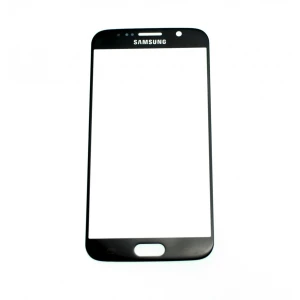
Vetro display Samsung Galaxy S6 nero - ricambio di alta qualità
4,88€
Ne restano solo 9 in magazzino
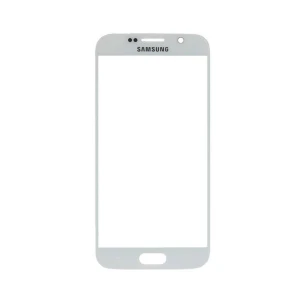
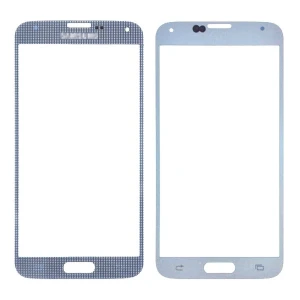
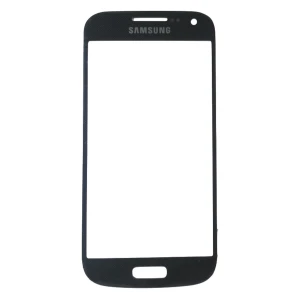
Vetro display Samsung Galaxy S4 Mini nero - ricambio originale
4,51€
Ne restano solo 10 in magazzino
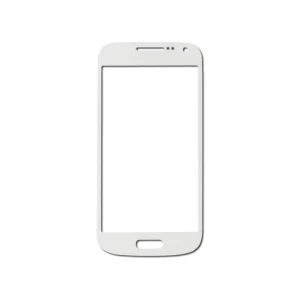
Vetro display Samsung Galaxy S4 Mini bianco - ricambio di qualità
4,51€
Ne restano solo 9 in magazzino
Articoli visualizzati di recente
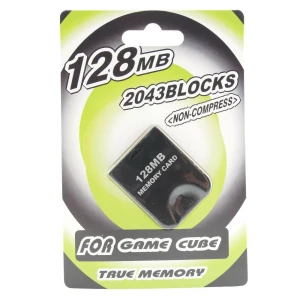
Scheda di memoria 128 MB per Nintendo GameCube - Salva le tue partite
8,54€
Ne restano solo 2 in magazzino
 Vetro display Samsung Galaxy Note 3 bianco - Ricambio originale di qualità
4,51€