



3,66€
Disponibile
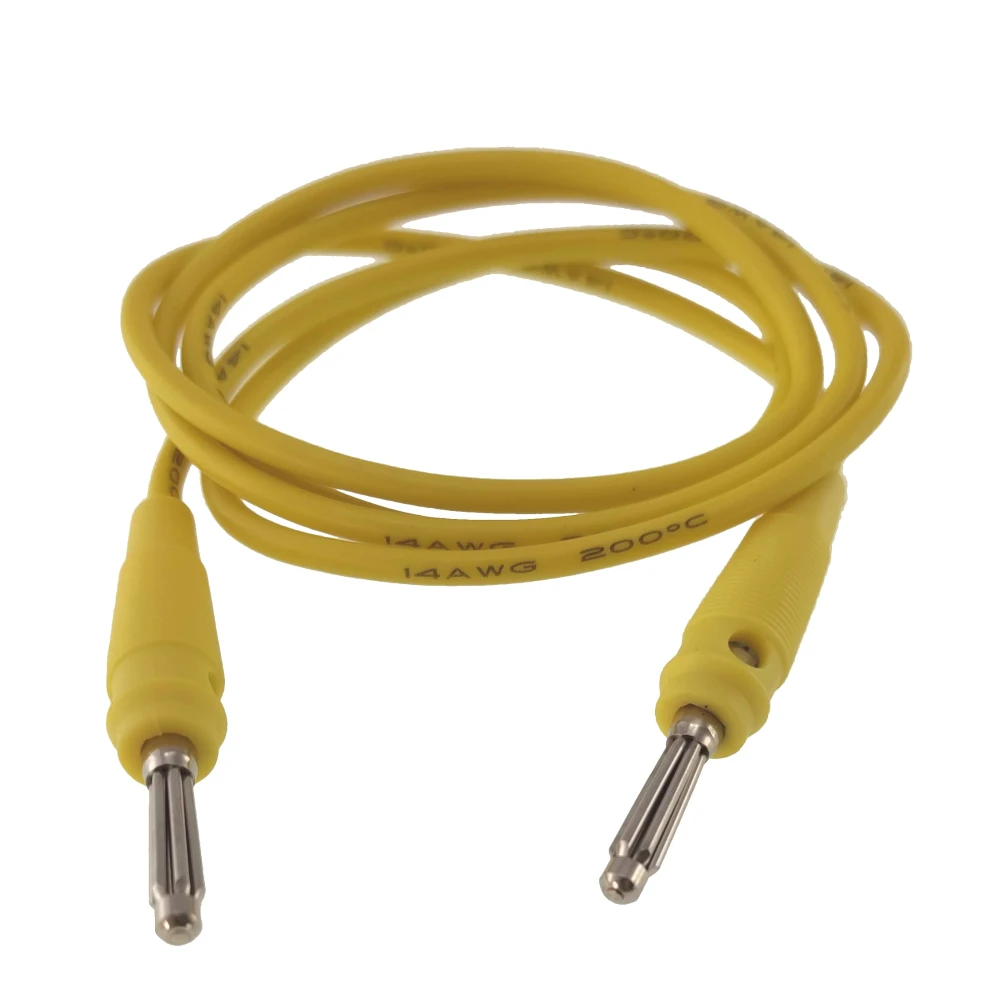
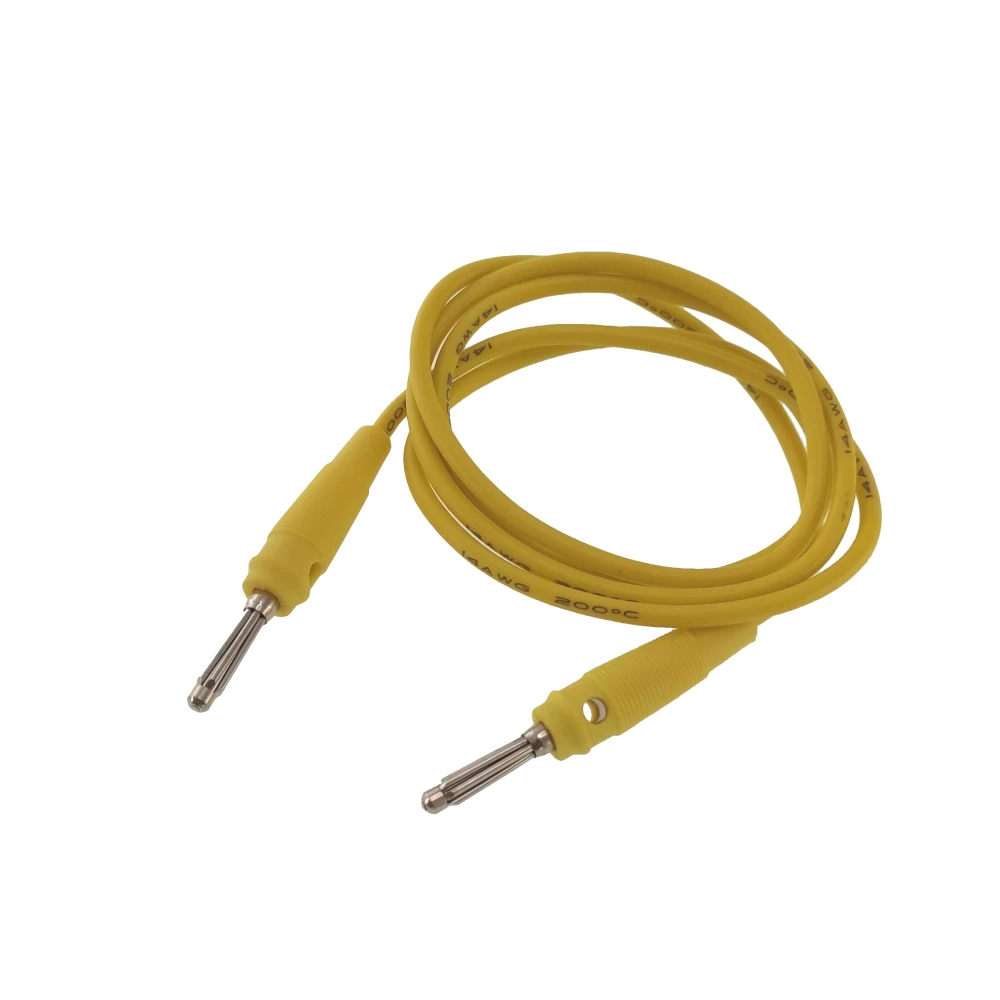
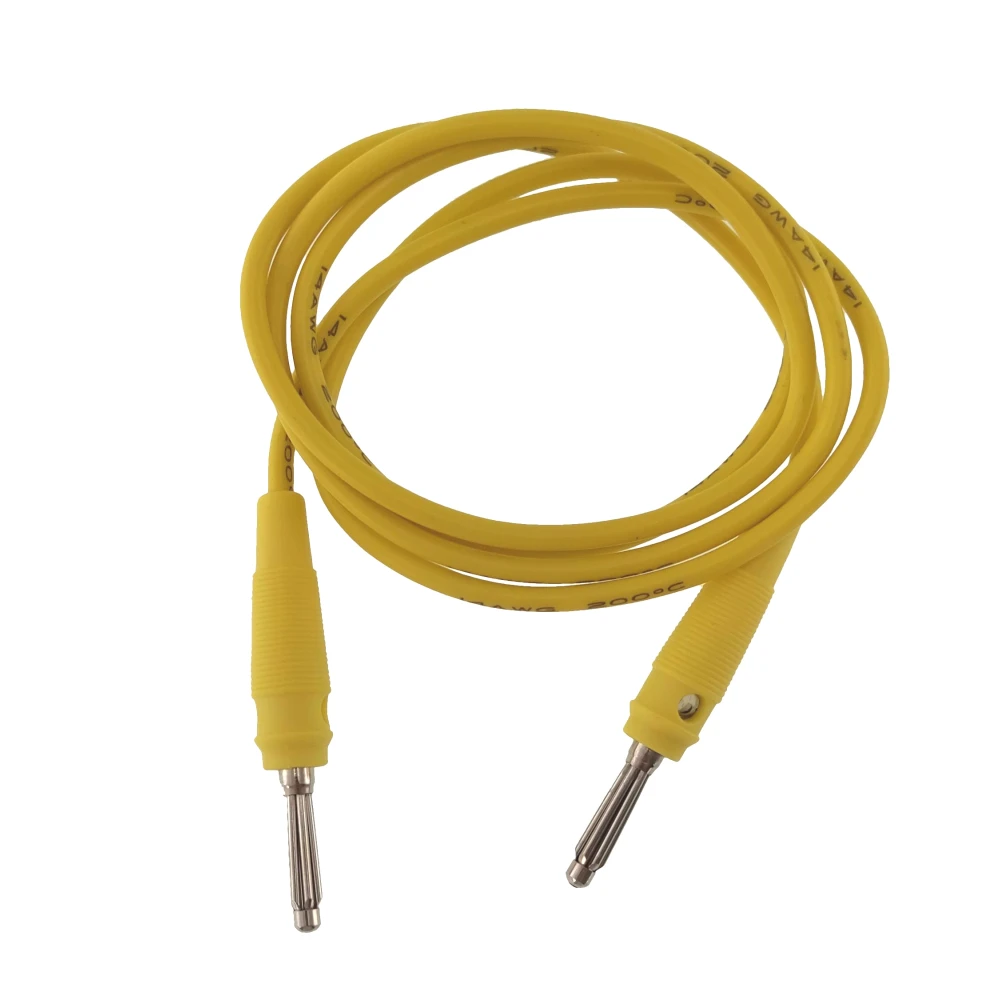

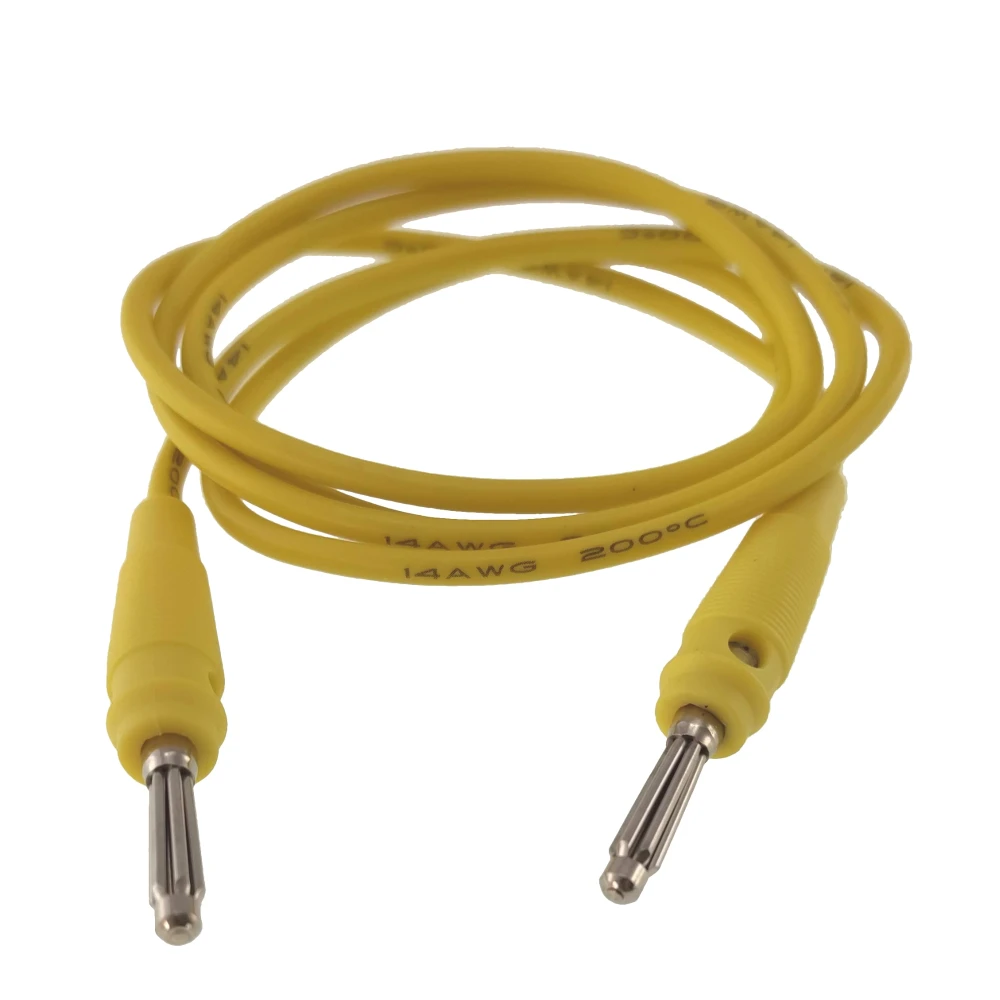
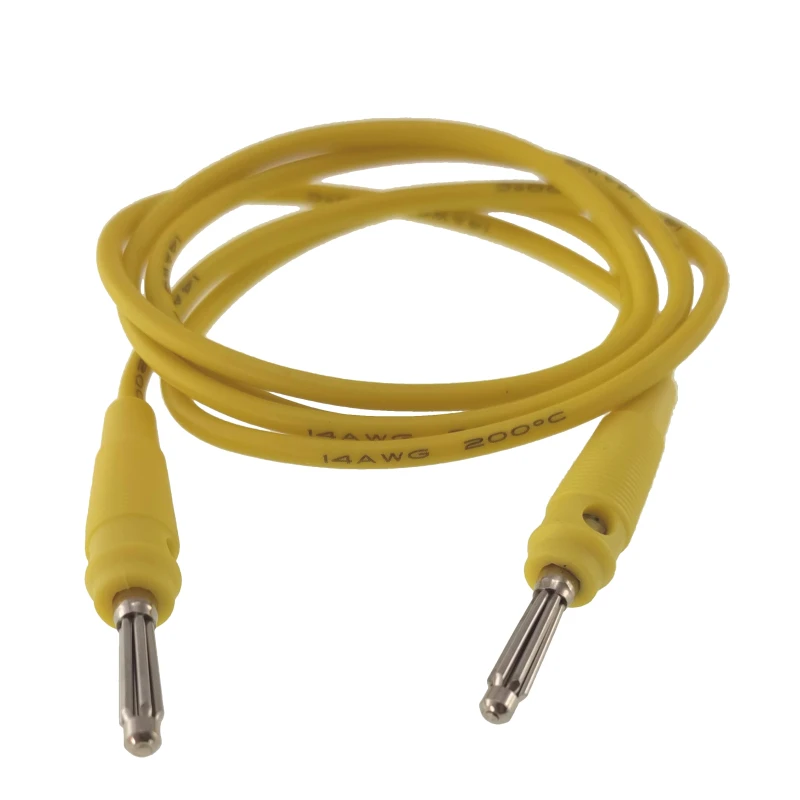
Cavo di prova banana maschio-maschio 4mm giallo 14AWG in silicone
Marchio: Amass
3,66€
IVA inclusa (IVA escl.: 3,00€)
Ne restano solo 5 in magazzino: ordina subito!
Consegna standard
Mer, Apr 22 - Ven, Apr 24
Consegna espressa
Lun, Apr 20 - Mar, Apr 21
Resi entro 30 giorni
Resi gratuiti entro 30 giorni
Transazione sicura


Share:
Consegna gratuita
Per ordini superiori a 300€
Resi facili
Politica di reso di 30 giorni
Pagamento sicuro
Checkout 100% sicuro
Garanzia di qualità
Solo prodotti originali
Descrizione del prodotto
Il cavo di prova banana maschio-maschio 4mm giallo è un accessorio essenziale per professionisti e appassionati di elettronica che richiedono connessioni sicure e affidabili nelle loro misurazioni e prove. Realizzato con cavo in silicone 14AWG, offre grande flessibilità e durata, ideale per un uso frequente in laboratorio o sul campo.
Caratteristiche principali:
- Conduttore: Cavo in silicone 14AWG, che garantisce flessibilità e resistenza all'usura.
- Connettori: Banana maschio da 4mm in ottone nichelato con isolante in PVC per una connessione sicura e stabile.
- Lunghezza: 1 metro, offrendo un raggio d'azione adeguato per diverse applicazioni.
- Classificazione elettrica: Supporta fino a 30VAC e 60VDC con una corrente massima di 32A.
- Colore: Giallo, per una facile identificazione su banchi prova e apparecchiature.
Usi tipici:
- Connessione a multimetri e oscilloscopi per misurazioni elettriche precise.
- Test e diagnosi in circuiti elettronici e apparecchiature da laboratorio.
- Uso su banchi prova per verificare continuità, tensione e corrente.
Compatibilità:
Compatibile con qualsiasi apparecchiatura che utilizzi connettori banana maschio da 4mm, in particolare multimetri, oscilloscopi e altri strumenti di misura elettronici.
Questo cavo di prova è uno strumento affidabile per tecnici, ingegneri e appassionati di elettronica che cercano qualità e sicurezza nelle loro connessioni.
- Cavo banana maschio-maschio da 4mm con connettore in ottone nichelato
- Conduttore in silicone 14AWG flessibile e resistente
- Lunghezza di 1 metro per applicazioni versatili
- Supporta fino a 30VAC e 60VDC con corrente massima di 32A
- Colore giallo per una facile identificazione su apparecchiature e test
Domande e risposte dei clienti
Quins avantatges ofereix l’ús de silicona en l’aïllament d’aquest cable davant cables PVC convencionals?
L’aïllament de silicona proporciona més flexibilitat i resistència tèrmica que el PVC. Permet fer servir el cable en aplicacions on es doblegarà o es mourà amb freqüència, i suporta temperatures més altes sense degradar-se, cosa que minimitza possibles fallades per enduriment o fissures a llarg termini.
Quines són les dimensions i especificacions clau del cable i els connectors?
El cable té una longitud de 1 m, un gruix de 14 AWG (equivalent a 2,08 mm²), amb connectors banana mascle de 4 mm de diàmetre fabricats en llautó niquelat i aïllats amb PVC.
Quina és la capacitat màxima de corrent i voltatge d’aquest cable i quines consideracions de seguretat s’han de tenir?
El cable suporta fins a 32 A i està classificat per a 30 VAC o 60 VDC màxim. Superar aquests valors pot generar sobreescalfament del cable o fallada de l’aïllament, per la qual cosa es recomana respectar els límits indicats.
Hi ha diferències importants davant cables de prova de calibre inferior (p. ex. 18 AWG)?
Sí, el 14 AWG té menys resistència elèctrica i permet un pas de corrent més alt que un 18 AWG. Això redueix les caigudes de tensió i l’escalfament en usos exigents, i és preferible per a aplicacions de corrent mitjà-alt davant calibres més petits.
What advantages does the use of silicone in this cable's insulation offer over conventional PVC cables?
Silicone insulation provides greater flexibility and thermal resistance than PVC. It allows the cable to be used in applications where it will be bent or moved frequently, and it withstands higher temperatures without degrading, minimising the risk of failure due to hardening or cracking over time.
What are the key dimensions and specifications of the cable and connectors?
The cable is 1 m long, 14 AWG thick (equivalent to 2.08 mm²), with 4 mm male banana connectors made from nickel-plated brass and insulated with PVC.
What is the maximum current and voltage capacity of this cable, and what safety considerations should be taken into account?
The cable supports up to 32 A and is rated for a maximum of 30 VAC or 60 VDC. Exceeding these values may cause the cable to overheat or the insulation to fail, so the stated limits should be respected.
Are there any important differences compared with lower-gauge test leads (e.g. 18 AWG)?
Yes, 14 AWG has lower electrical resistance and allows a higher current flow than 18 AWG. This reduces voltage drop and heating in demanding applications, making it preferable for medium-to-high current uses compared with smaller gauges.
What advantages does silicone insulation offer on this cable compared with conventional PVC cables?
Silicone insulation provides greater flexibility and better thermal resistance than PVC. It allows the cable to be used in applications where it will be bent or moved frequently, and it withstands higher temperatures without degrading, minimising the risk of failures caused by hardening or cracking over time.
What are the key dimensions and specifications of the cable and connectors?
The cable is 1 m long, with 14 AWG thickness (equivalent to 2.08 mm²), and 4 mm male banana connectors made from nickel-plated brass and insulated with PVC.
Scrivi una recensione cliente
I clienti che hanno acquistato questo articolo hanno acquistato anche
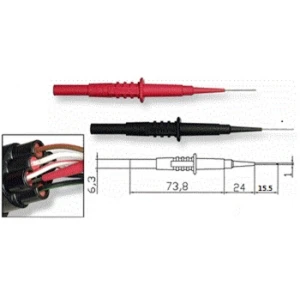
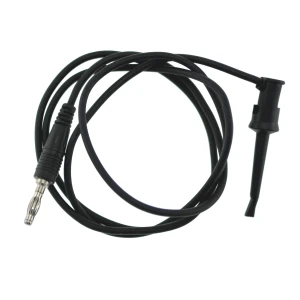
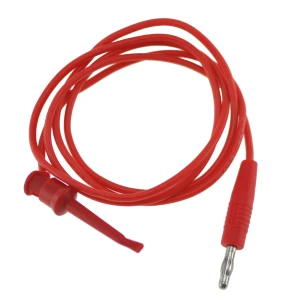
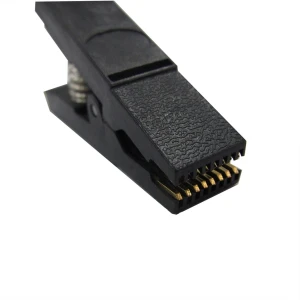
Test Clip SOP16 SOIC16 - Clip di prova per programmatori IC SOIC16
7,32€
Ne restano solo 6 in magazzino
Articoli visualizzati di recente
 Cavo di prova banana maschio-maschio 4mm giallo 14AWG in silicone
3,66€